Angelina “Angie” Cirabisi Bivona 1909-1987

When Angelina “Angie” Cirabisi was born on September 26, 1909, in New York City, her father, Giuseppe “Joseph”, was 35, and her mother, Leonarda “Lena” Gerace Cirabisi, was only 21 years old.

ANGIE’S FATHER: Angie’s father, Joseph Cirabisi, was born in Italy. He was 33 years old when he arrived at Ellis Island on the S.S. Algeria. As he entered Ellis Island, he stated that his occupation was stone worker and that his last place of residence was Castelvetrano, Italy. His ship had departed from a port in Naples on 17 January 1907 and arrived at Ellis Island on 4 February 1907. He recorded that he was coming to join his uncle Guiseppe Sanfilippo in Brooklyn, New York.

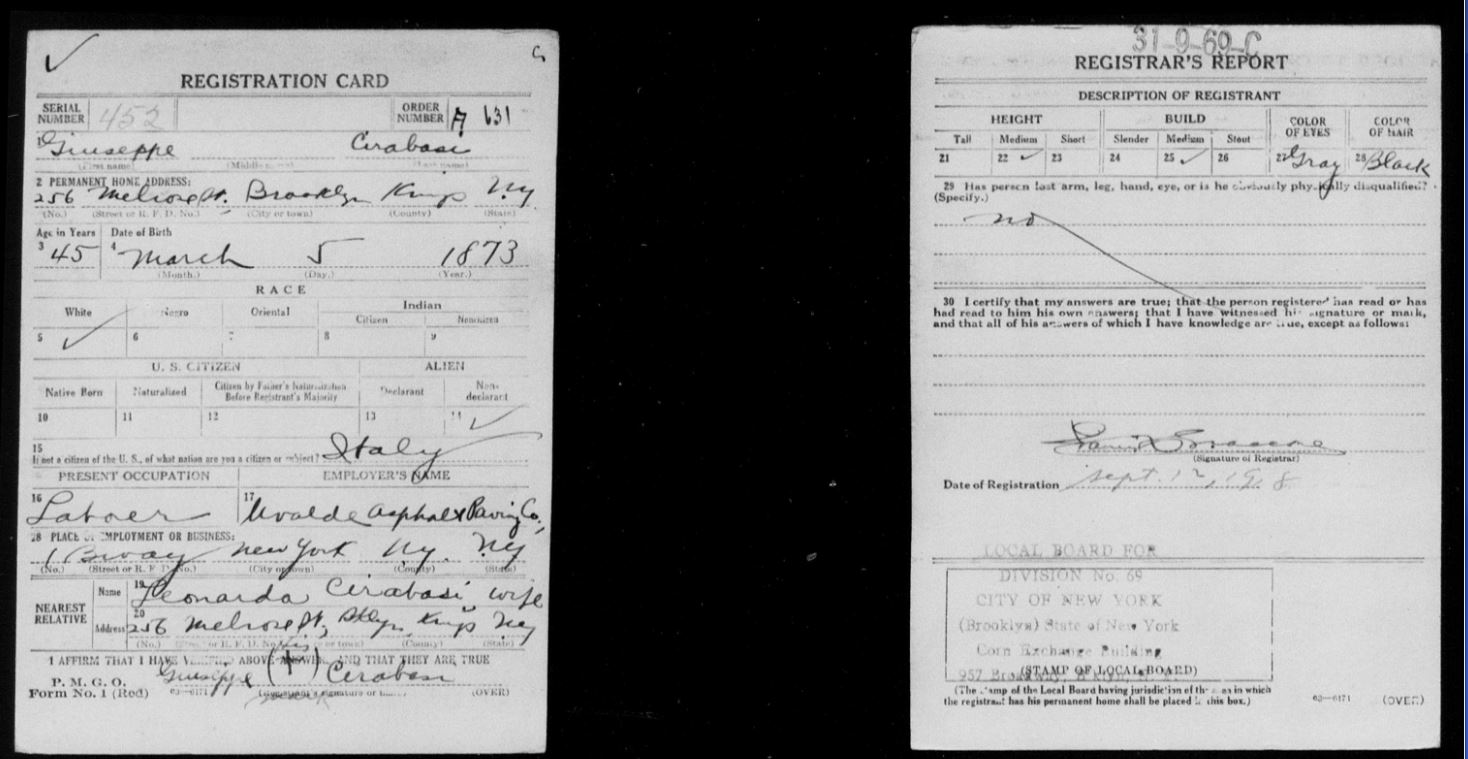
In 1917-1918, men in America were required to register for the draft. I found the document below. Melrose Street is where Joseph lived when he filled out this form and that street is not new in the family story and I found it in many documents.

Giuseppe Cirabasi draft

Another official record that I found was a 1925 New York State census record. At the time of that census, Joseph was 51 years old and was listed as doing “cement blocks.” He was living on Melrose Street with his wife Lena and daughters Angie and Antoinette. He records his citizenship status as alien. I had to do some history lessons to figure that one out. Why would an alien register for the US draft? Well, it turns out that you had to register for the draft if you were an alien residing in the United States! Go figure!

1925 state census

ANGIE’S MOTHER Angie’s mother was Leonarda (Lena) Gerace.  Lena was born in Partana, Italy.

Lena traveled to the states at the age of 25 leaving on the ship Luisiana from a port in Naples, Campania, Italy. She listed her last place of residence as Partanna, Trapani. She arrived at Ellis Island on 15 Oct. 1907. (Frank had arrived in February of that same year.)

In the 1925 New York state census, Lena claims she is of alien status.

It was so hard for me to find any good information on Lena. Anne Bivona Barnes had told us that Lena had a brother Gaspare. I was able to find some information on him and will continue as time allows to trace Lena’s family and ancestry through information available on her brother.
ANGIE’S SISTER Angie’s sister was Antoinette Cirabisi. Antoinette was born in approx. 1916. She was engaged to be married but sadly died before the wedding, at the age of 23, from a heart condition. Her date of death was 18 March 1939. Until her death, she had been employed as a bookkeeper. She was buried at St. John’s cemetery.

ANGIE Angie died in Michigan and her death date was recorded as 10 December 1987 and on that same certificate, her date of birth, was shown to be 27 September 1909.

Where was Angie born? Anne Bivona Barnes recalls that Angie was born in NYC so that is probably the case, but I did find a trip that brought Angie and her mother Lena through Ellis Island on 13 June 1913. This was on the ship the Principe Di Pimonte that left from the port of Palermo.
Ancestry reminds us when doing research on Italian ancestors to remember that they did travel back and forth. In other cases of immigration from European countries, people had fled from Europe to the United States to avoid persecution BUT the reason that so many people left Italy was almost entirely economic. That simply means, the Italian ancestors had every reason to go back to visit family, dream of returning to Italy and then often returning again to the states.

At the time that Angie’s family moved to the United States, the Italian unified government was encouraging people in Southern Italy to leave – not enough resources were available for the population. Also, the United States at that time had a labor shortage and were encouraging Italians to immigrate.

216

In 1925, in the state of New York census, Angie is a US citizen and is employed as a tailor. She lives on Melrose Street with her parents and her sister in that year. Her family told me that she worked in a coat factory.

In 1933, Angie was just 23 years old when she had her daughter Anne Bivona Barnes.

Her daughter Anne recalls that her family lived in Brooklyn at 41 Street and Ft. Hamilton Parkway until about 1939. Then, from 1939 to 1955 the family lived on Bushwick at the corner of Irving and Stockholm Street.

Angie was buried in NY. She had lived to be 78 years old.


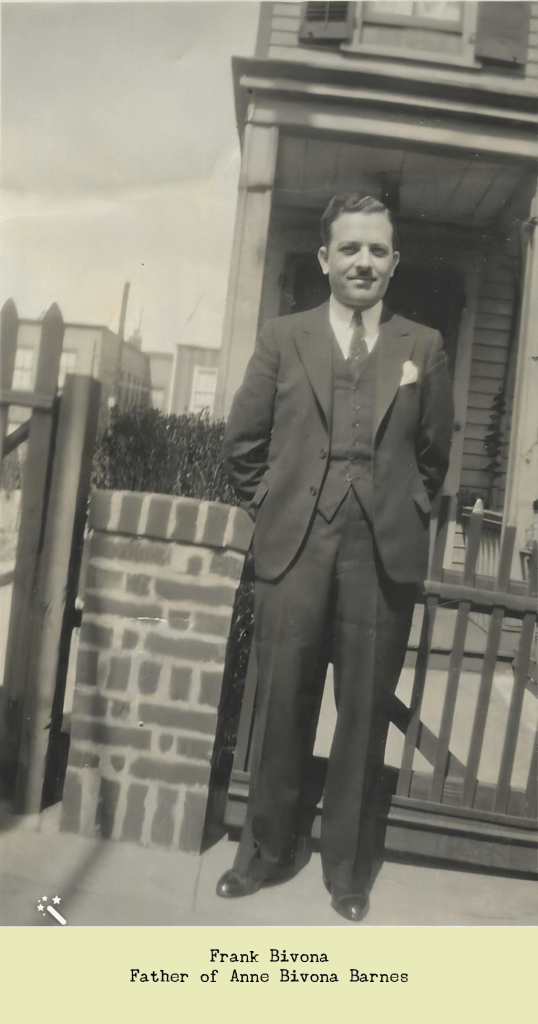
Francesco “Frank” Bivona 1904-1969

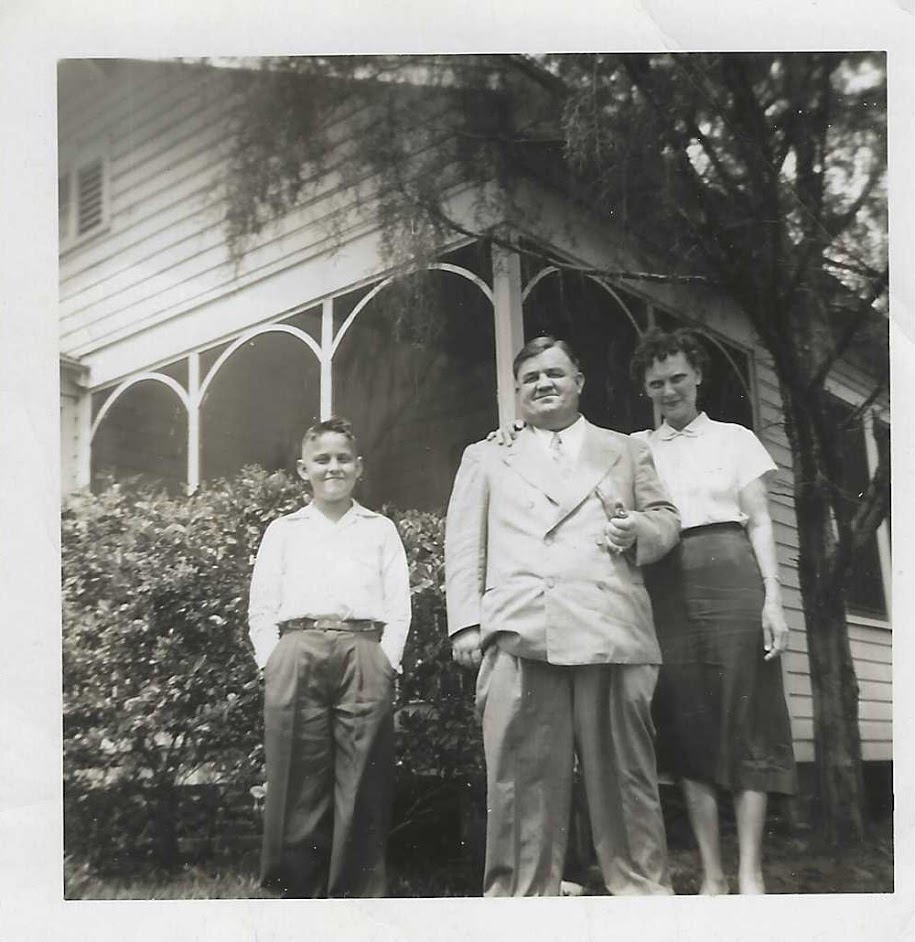
photo has been repaired and enhanced c1933

When Francesco “Frank” Bivona was born on November 30, 1904, in Mendoza, Argentina, his father, Vincenzo  Bivona, was 29 and his mother, Anna Cappadoro Bivona, was 27.

Frank was from an Italian family, but he was born in Argentina where his family resided for a number of years before going back to Sicily, Italy. He then emigrated to the United States leaving from a port of departure in Palermo, Sicily, Italy on 22 December 1915. He came to New York on the vessel known as Giuseppe Verde and arrived stateside on 6 January 1916.

FRANK’S MOTHER: The ship manifest for the Giuseppe Verde provides some information about Frank’s mother.  His mother was listed on the ship manifest as Anna Cappadero (note the name Cappadoro is spelled differently here) We know that the Giuseppe Verde vessel sailed out of Palermo on 22 December 1915.  Frank’s mother says that she is a 38 year old woman who can read and write. Her age matches with the birth date that I found for her: 30 November 1877.  She states that she is married to Vincenzo Bivona and is going to meet him in Brooklyn, NY at his residence on Stagg Street.  She also states in this manifest that she has no occupation and that the name of her mother was Maria Accardi. Her physical description is of a 5’4″ woman with brown hair and eyes. Her birth place was Partanna, Italy.

By the time of the 1920 US census, Anna is living at 165 Manhattan Avenue, Brooklyn, NY with her husband and children. It is in this census that you can see her children Joe, William, John, and Frank all had been born in Argentina. The other children listed in that census Vincent, Tony, Paulie and Angelo were all born in New York.  In this census, Anna also states that she became a naturalized citizen in 1916.

FRANK’S FATHER: I believe that Vincenzo was born on 7 April 1874. One of the only methods for tracing him was a WWI draft registration card that I found. The draft registration would have occurred from 1917 to 1918. Vincenzo was naturalized as a US citizen in 1916 so he would have had to register. Here is why I believe the draft card belongs to him: He lists his closest relative as Anna Bivona and his residence as 165 Manhattan Ave. He is employed by the Eastern District Dye Works and his job is to dye silks.  Now…go back to the 1920 US census for Anna and you will see that the address is also listed as 165 Manhattan Ave. (He lists his full name as Vincent Salvatore Bivona and describes himself as of medium height and build with black hair and brown eyes.) In the 1920 US census, Vincenzo says that he is a washer in a silk factory. I believe that he is buried in a Catholic cemetery: St. John Cemetery, Middle Village, Queens County, New York.

Vincenzo was an alcoholic and that may explain why his wife Anna eventually leaves him and lives in her own household.

Vincenzo draft card

FRANK: When working with genealogy, I try to find official documents that can provide insight and a timeline. I found a baptism record from Nuestra Señora de Luján, Luján de Cuyo, Luján, Mendoza, Argentina on 25 Jul 1905 for Frank.

In the 1920 census. Frank is listed as the 15 year old son of Vincent and Anna living on 165 Manhattan Avenue, Brooklyn district of Kings, New York.  His birth place is recorded as Argentina, but his mother tongue is Italian. Instead of school, Frank, at age 15, is employed as a clerk at a silk factory.

I found this declaration of intention for naturalization (by the time of this document Frank is 19 years old):

declaration of intention.JPG

At the age of 22, Frank married Angelina “Angie” Cirabisi. I found a wedding date of 30 April 1927. They were married in New York.

By the time of the 1940 census, Frank is 34 years old. (His daughter, Annabelle, is 7 years old.) The residence is now listed as 162 Irving Avenue, New York, Kings, New York. He states that the highest grade he has completed in schooling was 6th grade. He is now working 40 hours a week as an insurance agent. His yearly income is 2,450. He is living with his wife, Angie (born in New York), and his daughter Annabelle. In this 1940 census, he is also living with his father-in-law, Joseph Cirabisi who is recorded to be of alien status having been born in Italy.  In 1940, the other person living with Frank and his family is his mother-in-law, Leonada Cirabisi who is age 52.

Recently, Anne (Annabelle “Anne” Bivona Barnes)  described her residence on Irving Ave. It was a railroad flat, a 4 unit apartment above a drug store. She said they lived there from 1939-1955. Pasquale Zinnanti owned the building. The owner was a distant cousin of Angie’s. The Zinnanti children, Frank and Joseph, were like brothers to Anne.

FRANK’S SIBLINGS: Frank’s parents Vincenzo and Anna had 7 children. Here is some information on those family members:

Giuseppe or “Joseph” was born around 1899 in Argentina.

William seems to have 2 birth places! In some cases, he lists Argentina as his place of birth. BUT, in his petition for citizenship he states that he was born in Italy. The photo below is very interesting because it shows Pasquale Zinaupi as a witness who resides at the same 162 Irving Avenue address as shown in the photo I included for Frank and fits with Anne Bivona Barnes’ recollection of the owner of the building! The other witness is Giuseppe (or Joseph) his brother.

William Bivona petition
William Bivona death notice

I am also including this photo of William Bivona’s death notice because it gives a clue as to the possible burial location for other members of the family. 

Vincent was born 5 December 1908 and states 2 places for his birth. In the 1920 census (he was 11 years old) and he claims to have been born in New York. In the 1930 census (he was 22 years old) he states that he was born in Argentina. The other information that the 1930 census gives us is that Anna is now living without her husband at 350 Melrose Street. In 1930, she is claimed to be the head of household living with her children Vincent, Tommy, Angelo and Pauline.  In this 1930 census Vincent lists his occupation as a “paster” in a shoe factory.

Antonio “Tony” was born approx. 1911 in …well, here we go again. In the 1920 census he states that he was born in New York, but in the 1940 census he states that he was born in Argentina. In 1940 he is living at 331 Melrose Street with his wife. Note: he is obviously a neighbor to his mother Anna and some of his siblings in 1940! In 1940 his occupation was a wood heel turner.

Paolina was born in New York approx. 1913

Angelo was born 31 Oct. 1918.

DEATH NOTICE FOR FRANK BIVONA

Frank, father of Annabelle “Anne” Bivona Barnes, died on 18 Feb. 1969 in New York. Here is a copy of his death notice from the Daily News in New York:

death notice of Frank Bivona

He was 64 years old at the time of his death.

Margaret Thomae Thornbladh 1901 – 1975

Margaret Thomae was born on June 10, 1901. It has been difficult to find information about Margaret. I have tried to piece together some of the clues that I have found.

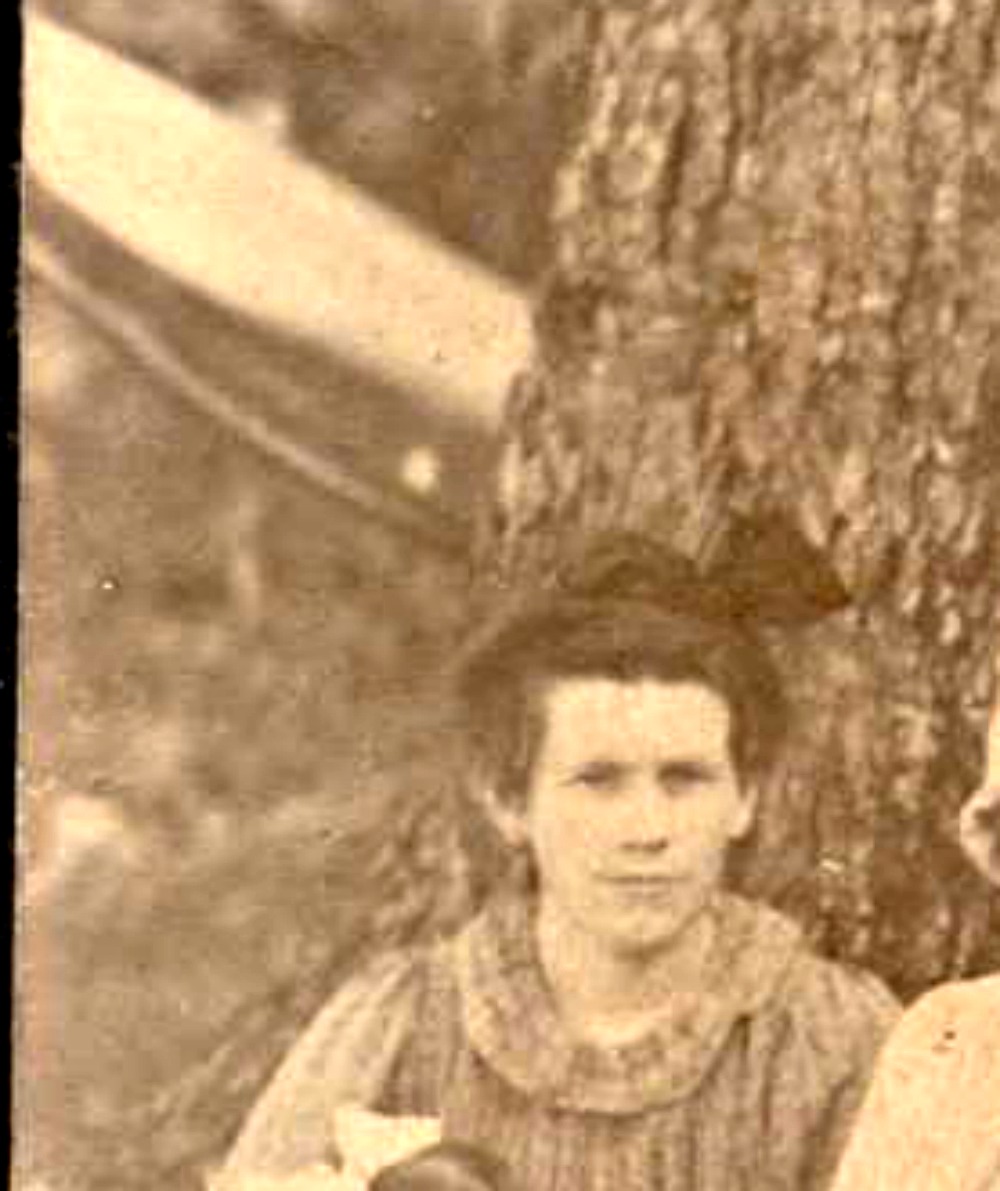
I believe that Margaret was  the daughter of Friederike (do not know her maiden name) and Jakob Thomae.

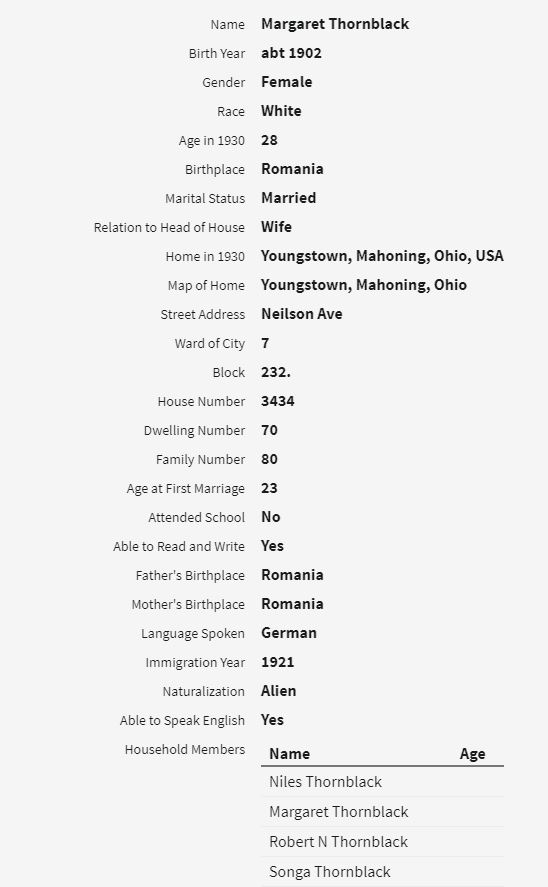
In the 1930 census, Margaret states that her birthplace was Romania, but also lists in that same census record that her language spoken was German. (Her husband Nils also states that his mother tongue is German.) She states that in 1930 she is 28 years old, and she lives in Ohio. In this same census her husband’s occupation is recorded as a draftsman working for a Steel Company.

Note that Margaret lists her date of immigration as 1921. This would have made her a young woman of 20 when she arrived in the states.

1930 census Thornbladh

1930 census recap

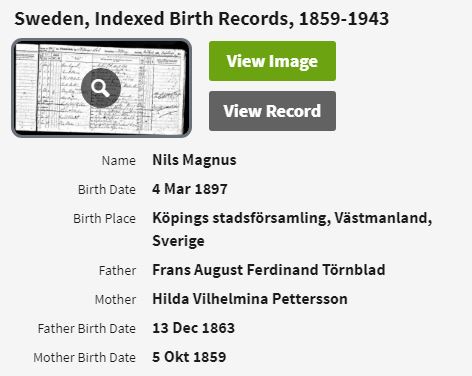
By the time of the 1940 census, Margaret has changed her birth place to Austria (previous records stated it was Romania) Her husband Nils lists his birth country as Sweden (in the 1930 census he had stated his birthplace was Germany.) Even though Nils lists his birthplace as Germany in one census, I was able to locate Swedish index birth records. Here is a recap:

Sweden


Margaret was 23 years old when she gave birth to her son Robert Nelson Thornbladh. She was 28 years old when she had her daughter, Sonja Greta Thornbladh.

Margaret died on April 14, 1975, in Fort Pierce, Florida, at the age of 73. Nils died at the age of 83 in 1980.

death of Margaret Thornbladh from Palm Beach Post 15 Apr 1975

listing above is from the Palm Beach Post 15 Apr 1975


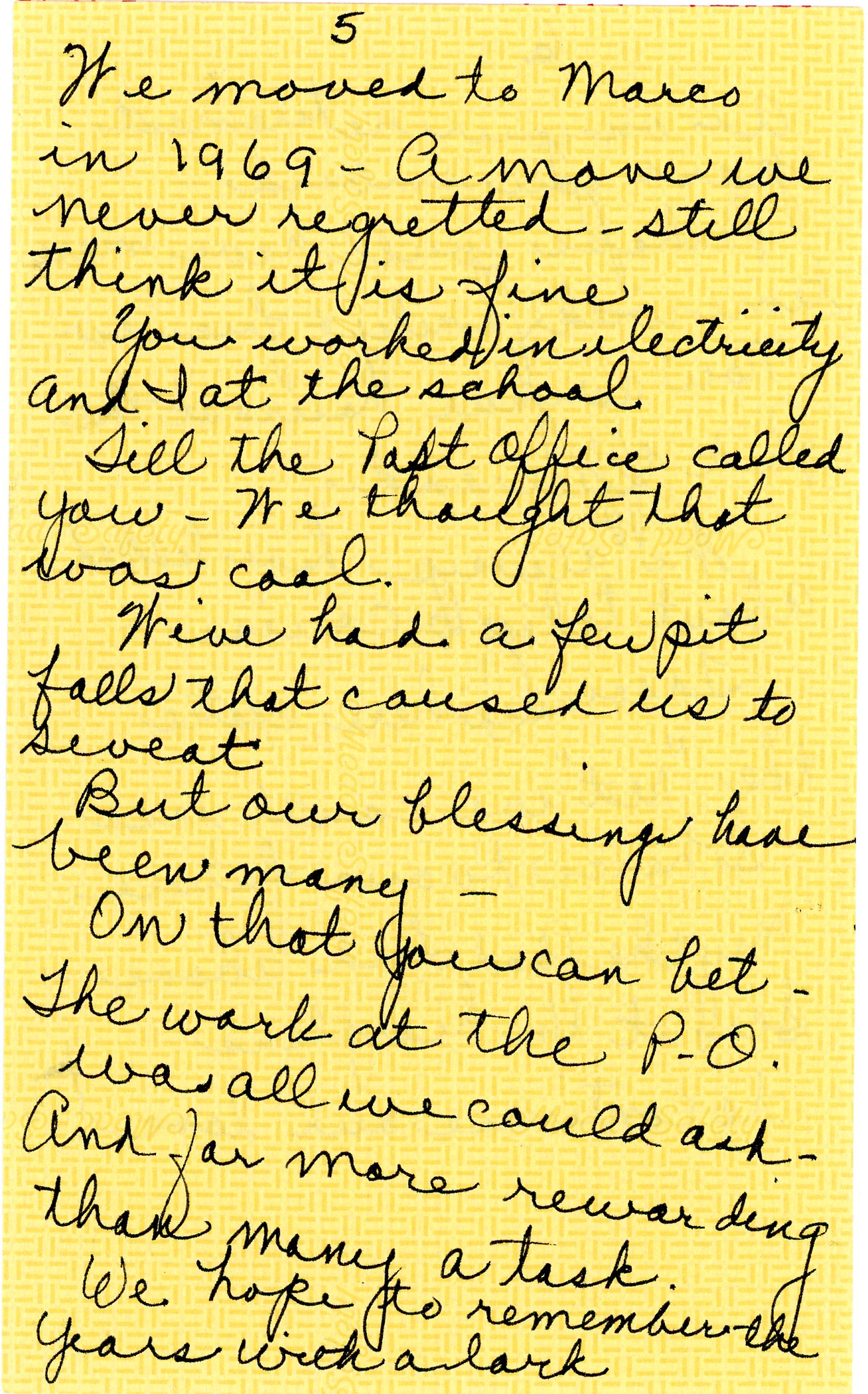
Note from Kurt Thornbladh about his grandmother: “She had a social security card. They left the Austrian Hungarian empire and went to Canada. I saw an old photo of WWI soldiers sitting and drinking wine . Grandmother didn’t know who they were except to say they were the Austrians. Grandmother didn’t know her father.”

Notes from Kurt Thornbladh about his grandfather: “He was the purser on the Drotningholm [sp?]. Whether he had an understanding with the ships master I don’t know. He had a fight with his father before i do know.”

“Great Grandfather had a lucrative business of some sort. A civil engineering firm or something like that. Grandfather did his military service in an elite regiment. The Royal Life Guards. He was studying engineering in Berlin in World War I when he was drafted into the German Army. He was a lieutenant on the Eastern Front fighting the Russians in I suspect Finland. Great Grandfather believed, I suspect correctly, that his son could look forward to a brilliant career serving the king. But with typical bad Thornbladh genes he insisted he should take over the business and great uncle should serve the King. Probably had a poor service record. I have to take great grandfather ‘s side on that one.”
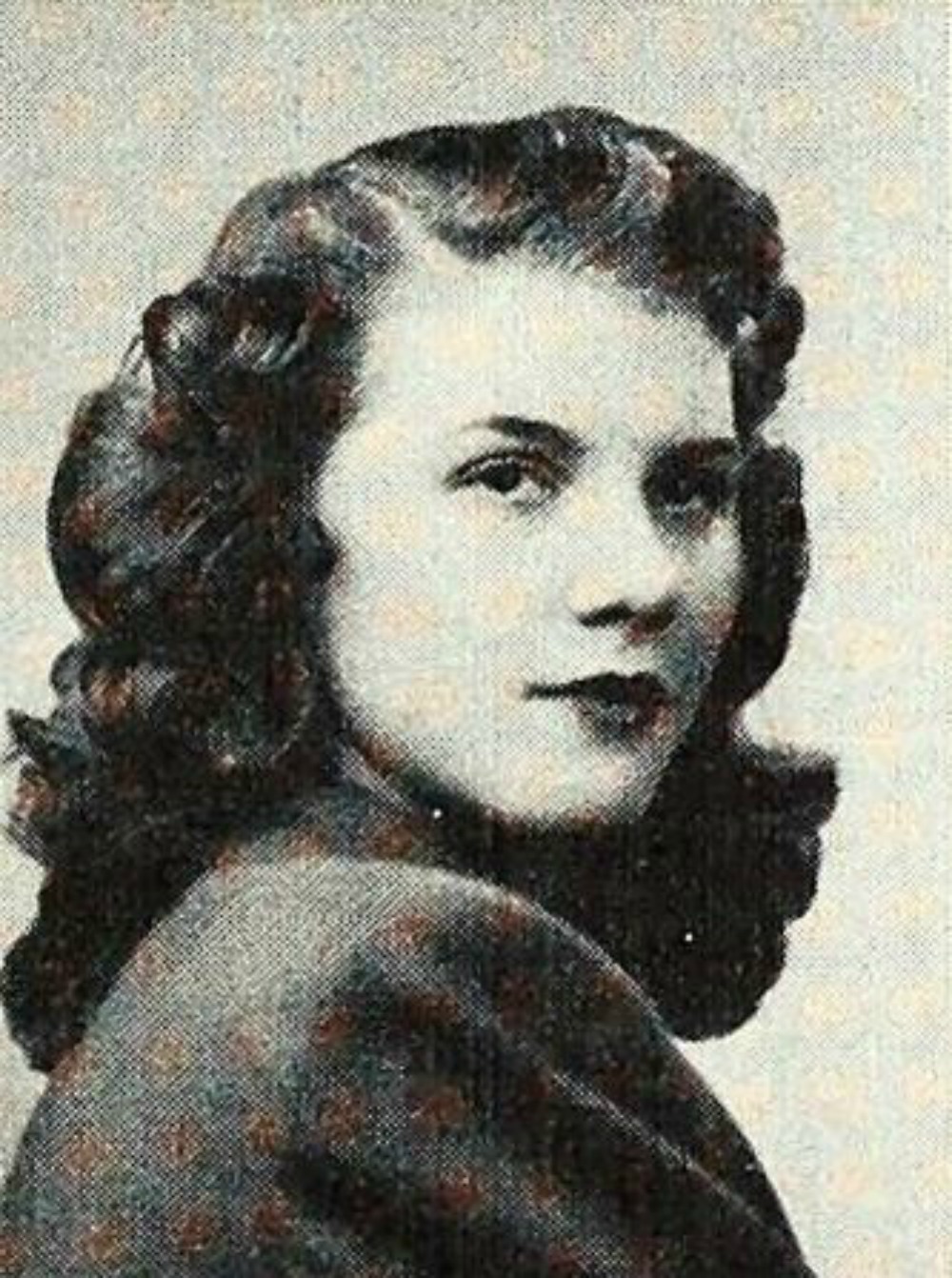
Marion P. Annis Watts 1837-1894 ( the 2nd great grandmother of Heidi Thornbladh)

When Marion  P Annis (her first name was also recorded as Mariam by census takers) was born on September 7, 1837, in Londonderry, New Hampshire, her father, John Annis, was already 45 years old, and her mother, Delilah Coburn Annis, was 40. Marion had 12 siblings!

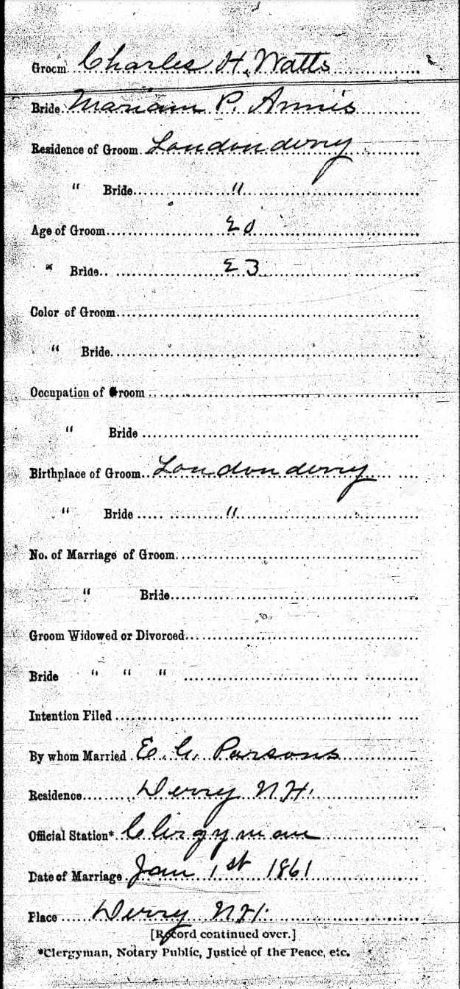
Marion married Charles H Watts on January 1, 1861, in Derry, New Hampshire.
Watts and Annis

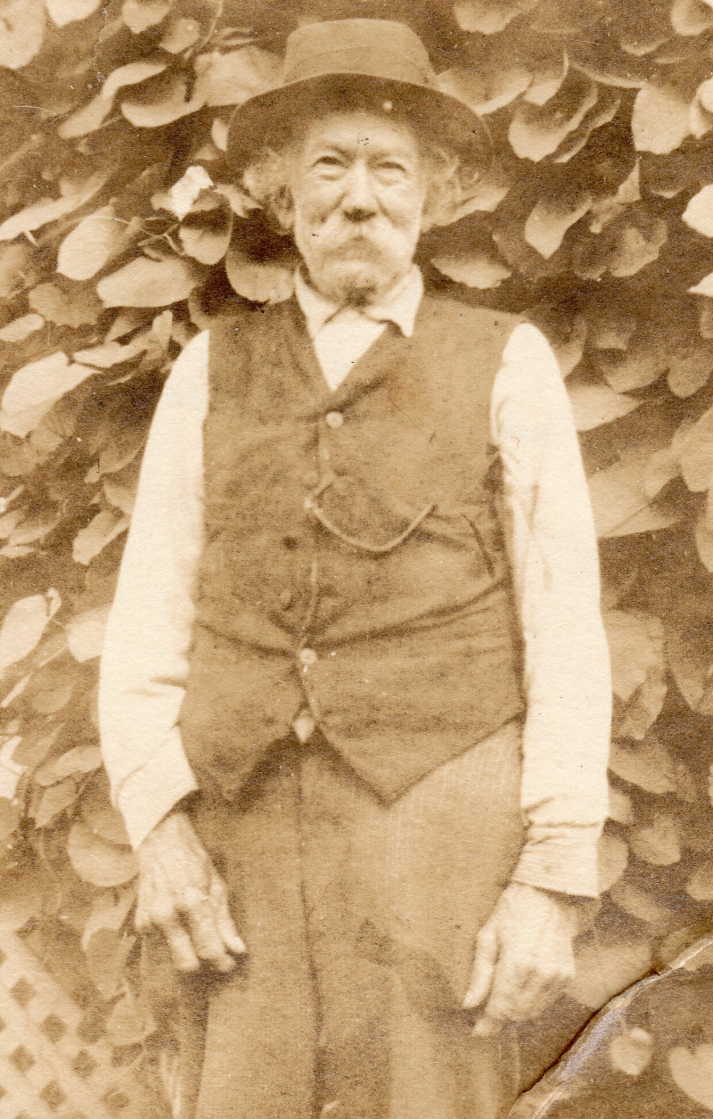
Charles Watts

photo above of Charles Watts- husband of Marion P. Annis Watts

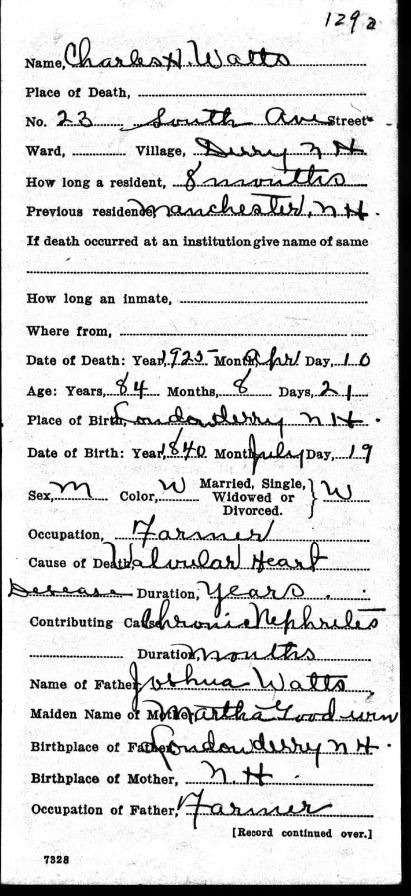
photo below of death certificate for Charles Watts

death of Charles Watts


Charles and Marion had seven children together. Their 4th child, Olive Annis Watts, is the direct ancestor of my friend Heidi Thornbladh. Olive was Heidi’s great grandmother. Olive married William Lawrence Joyce.

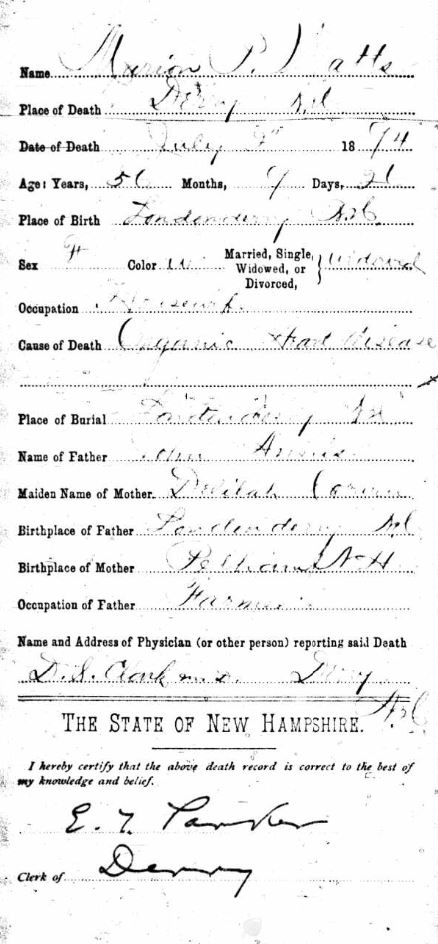
Marion died on July 2, 1894, in Derry, New Hampshire, at the age of 56. Her death certificate is listed below:

death of Miriam Watts

There is some evidence that following Marion’s death, her husband Charles Watts, may have remarried to Eldora Martha Nichols. (Not many details to verify this 2nd marriage) Charles was 53 years old at the time of Marion’s death. He lived another 31 years after her death.

Here is a record of the descendants starting with Marion’s father:

John Towns Annis (1791 – 1871)
3rd great-grandfather
Marion P Annis (1838 – 1894)
daughter of John Towns Annis
Olive Annis Watts (1873 – )
daughter of Marion P Annis
Celia Marion Joyce (1898 – 1961)
daughter of Olive Annis Watts
Ruth Beverly Moller (1924 – 2006)
daughter of Celia Marion Joyce

Olive Annis Watts Joyce 1873 –


Watts Family at Beaver Lake 1903

When Olive Annis Watts was born on July 16, 1873, in Londonderry, New Hampshire, her father, Charles Watts, was 32, and her mother, Miriam P. Annis Watts, was 35.

Olive married William Lawrence Joyce on June 30, 1897, in Derry, New Hampshire. They had two children during their marriage. She had one brother and five sisters.

Sonja Greta Thornbladh Harris


Sonja Thronbladh Euclid Central HS 1947

When Sonja Greta Thornbladh was born on June 25, 1929, in Ohio, her father, Nils Magnus Thornbladh, was 32, and her mother, Maragret (Thomae), was 28. Her older brother was Robert Nelson Thornbladh (1925-2004).

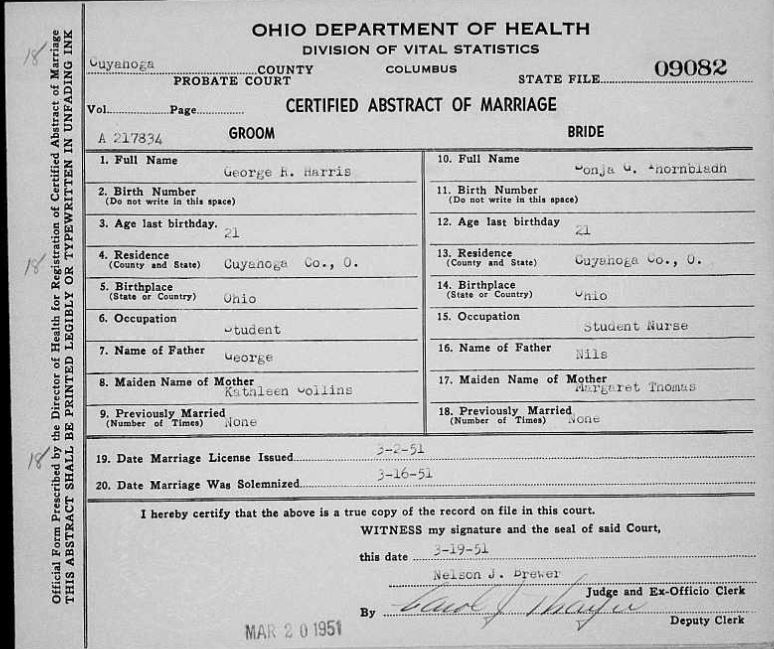
Sonja married George Russell Harris in 1950 in Cuyahoga, Ohio.

Marriage of Sonja Thornbladh

(please note that in the above certificate of marriage the Maiden Name of Mother is listed as Margaret Thomas – actually should be Margaret Thomae)

In 1955, Sonja and George had a son, Todd George Harris. At the age of 24, Todd married Thereasa Probst.

Sonja was 45 years old at the time her mother, Maragret passed away on April 14, 1975, in Fort Pierce, Florida, at the age of 73. When Sonja was 50 years old, her father Nils Magnus Thornbladh, passed away on April 28, 1980, in Fort Pierce, Florida, at the age of 83.

Sonja was divorced on January 9, 2004, when she was 74 years old. The grounds for divorce were “gross neglect of duty.”

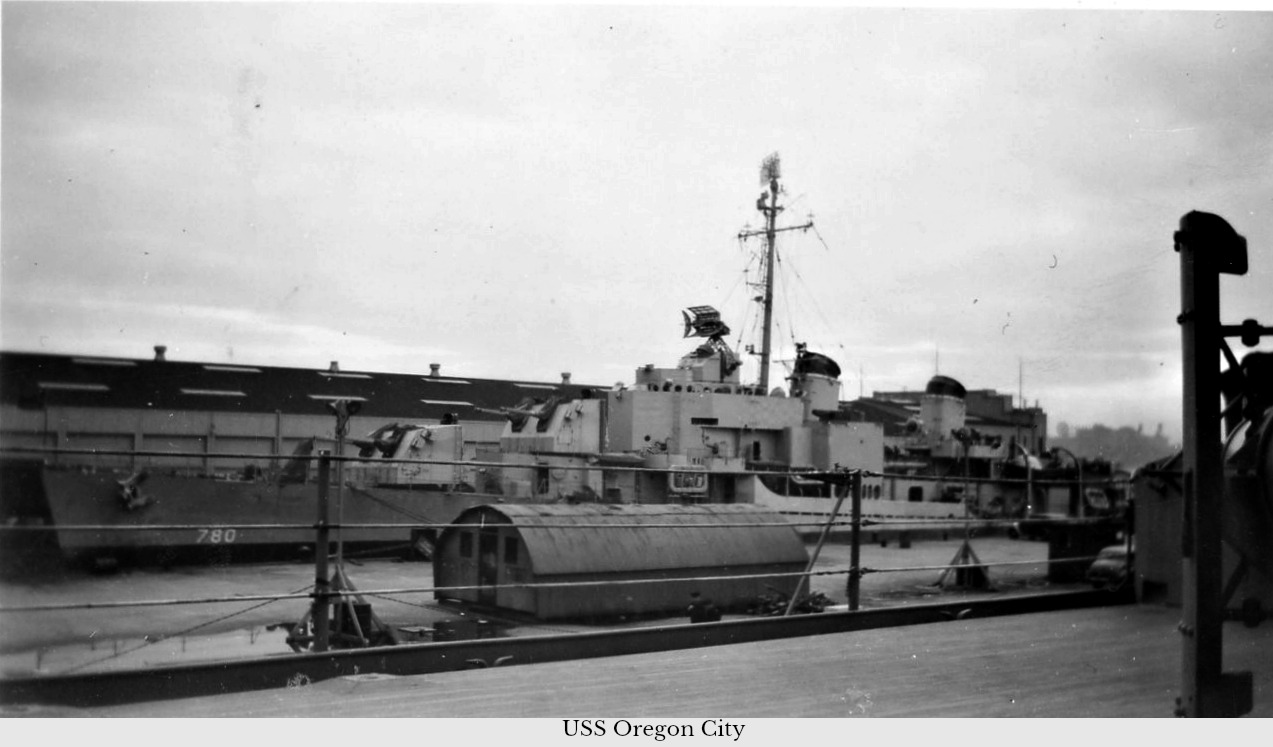
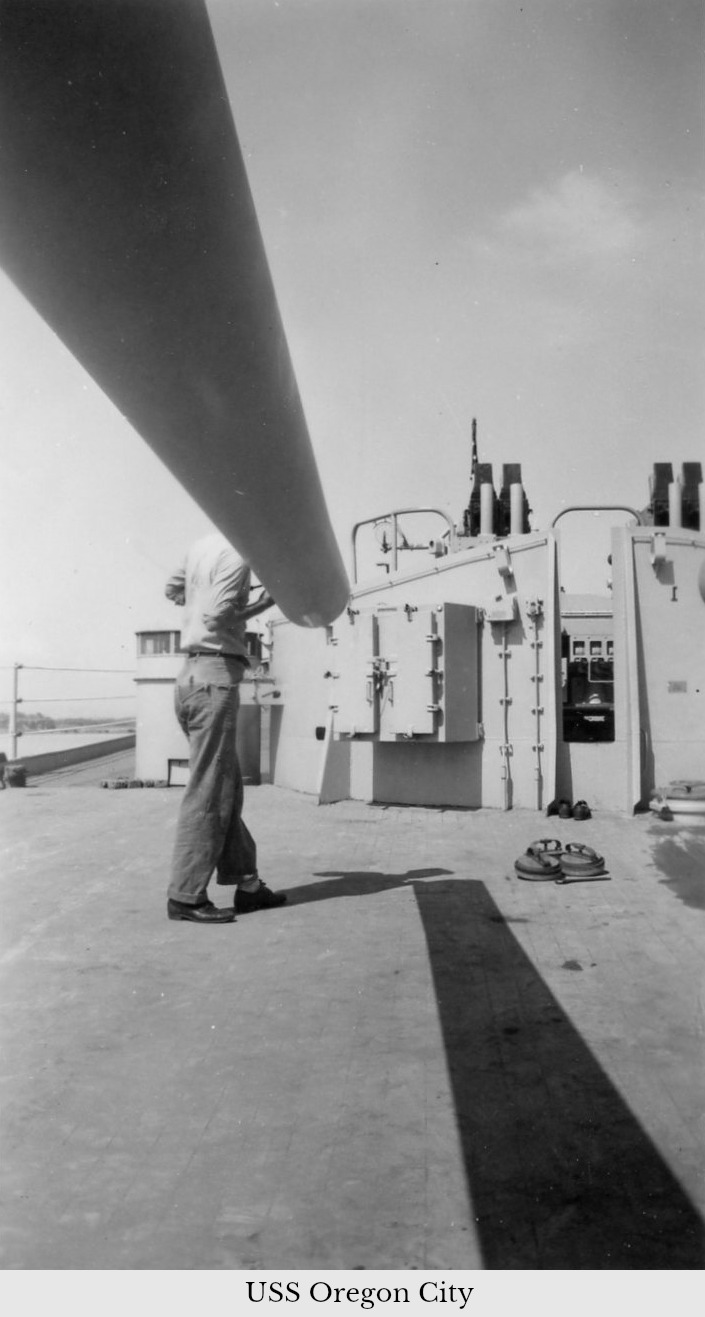
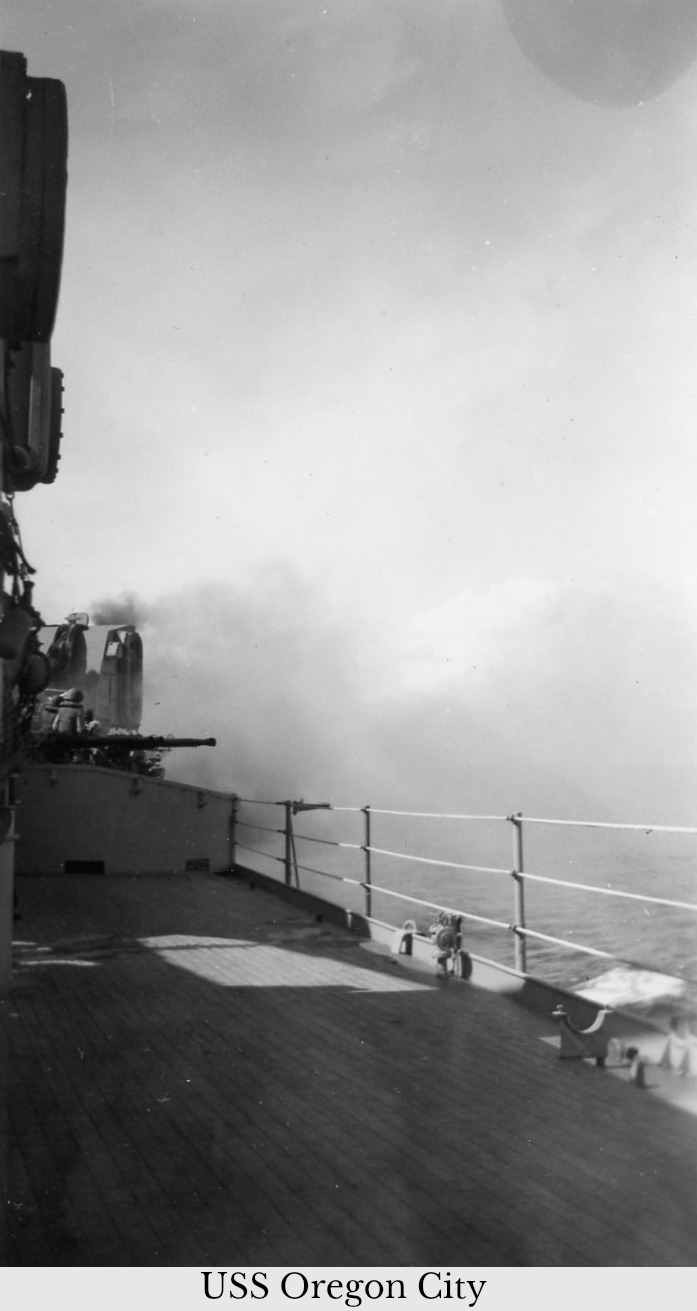
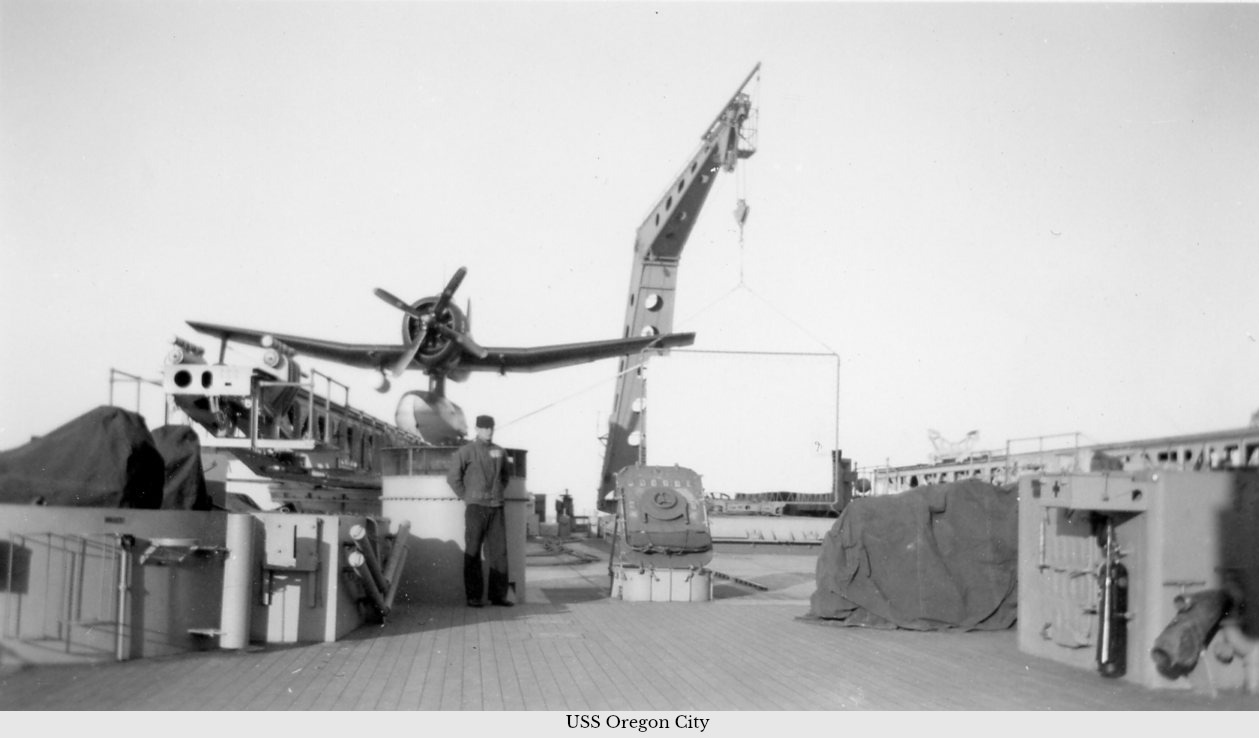
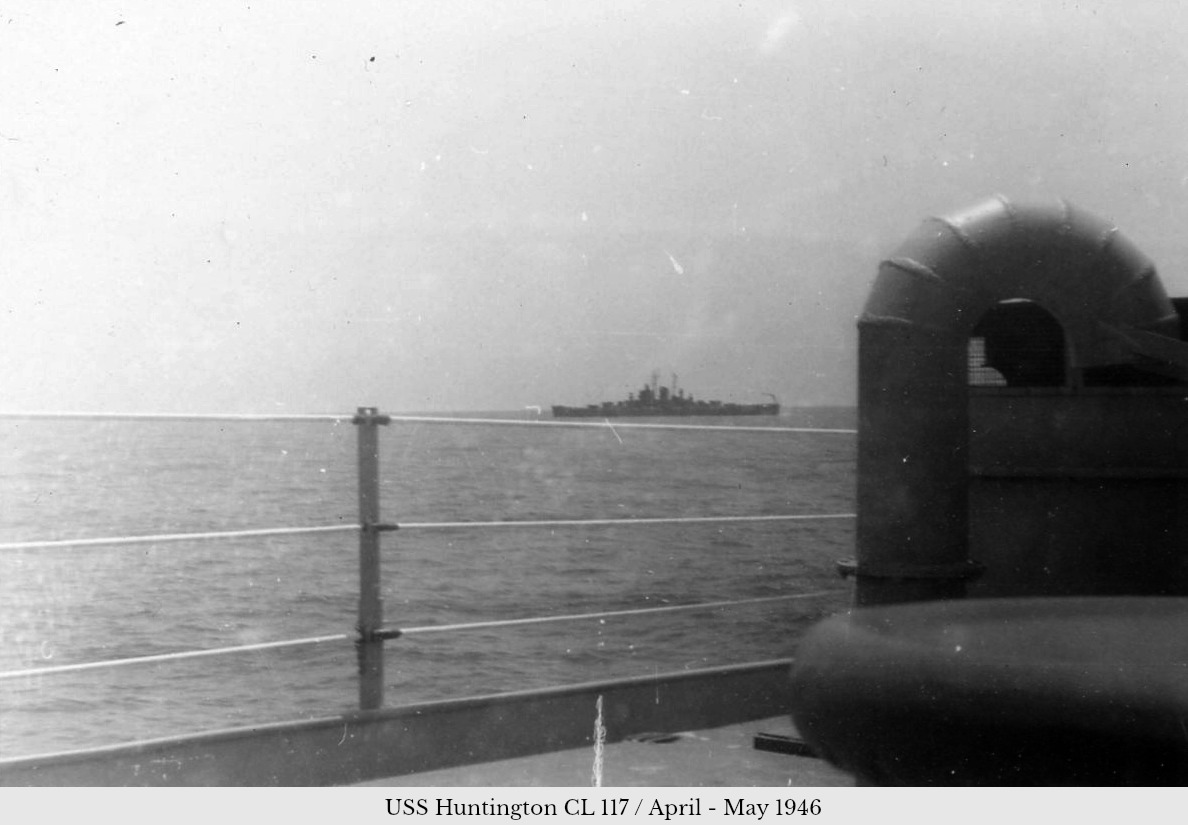
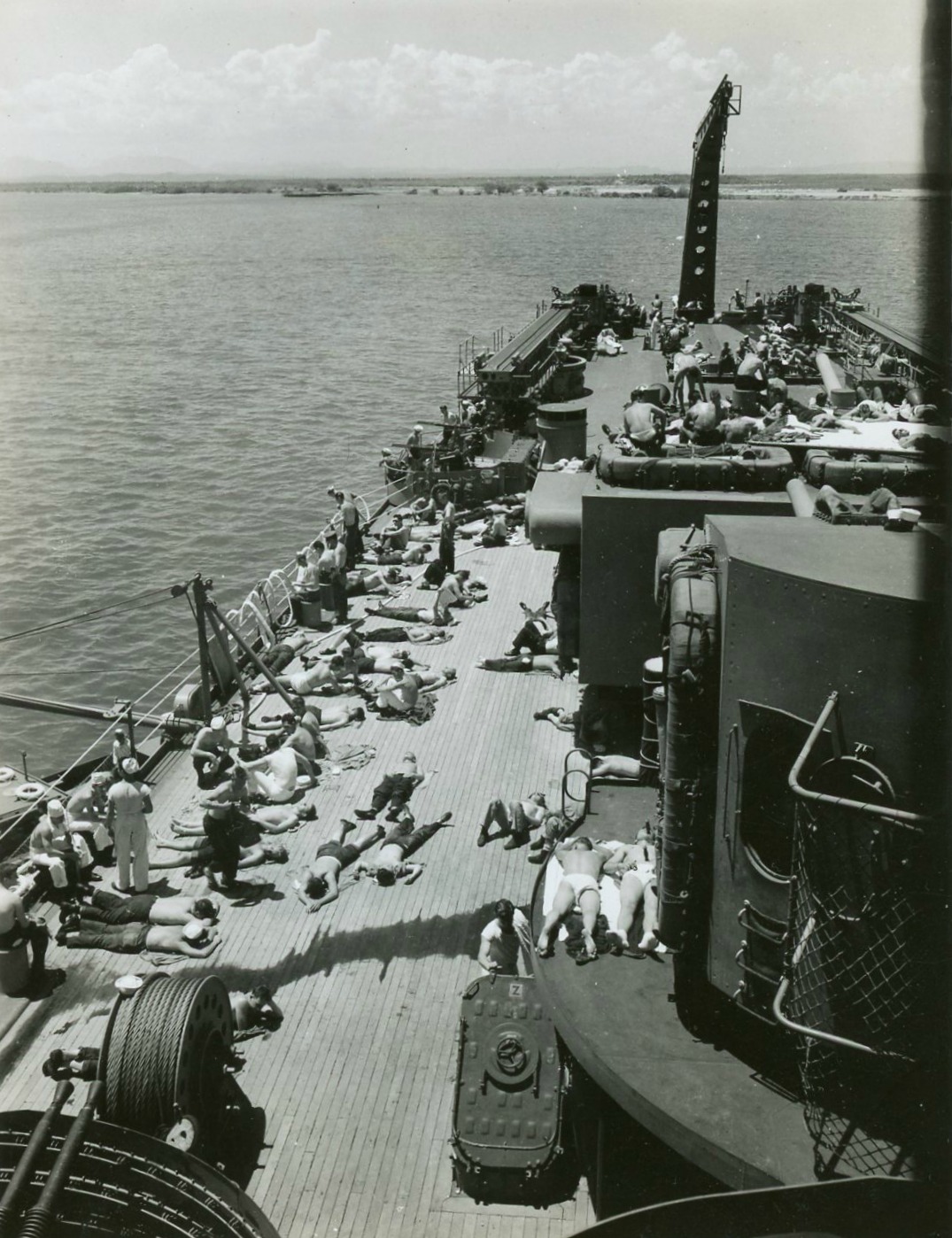
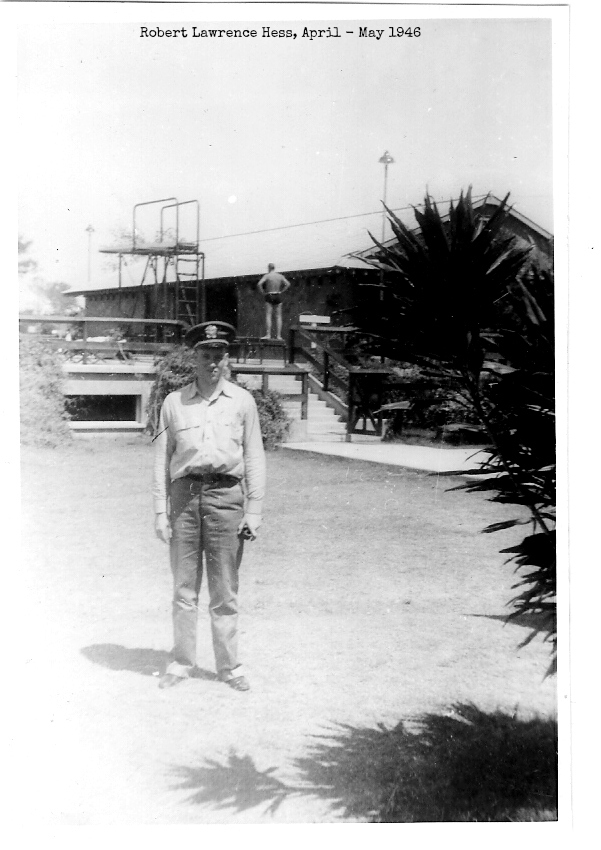
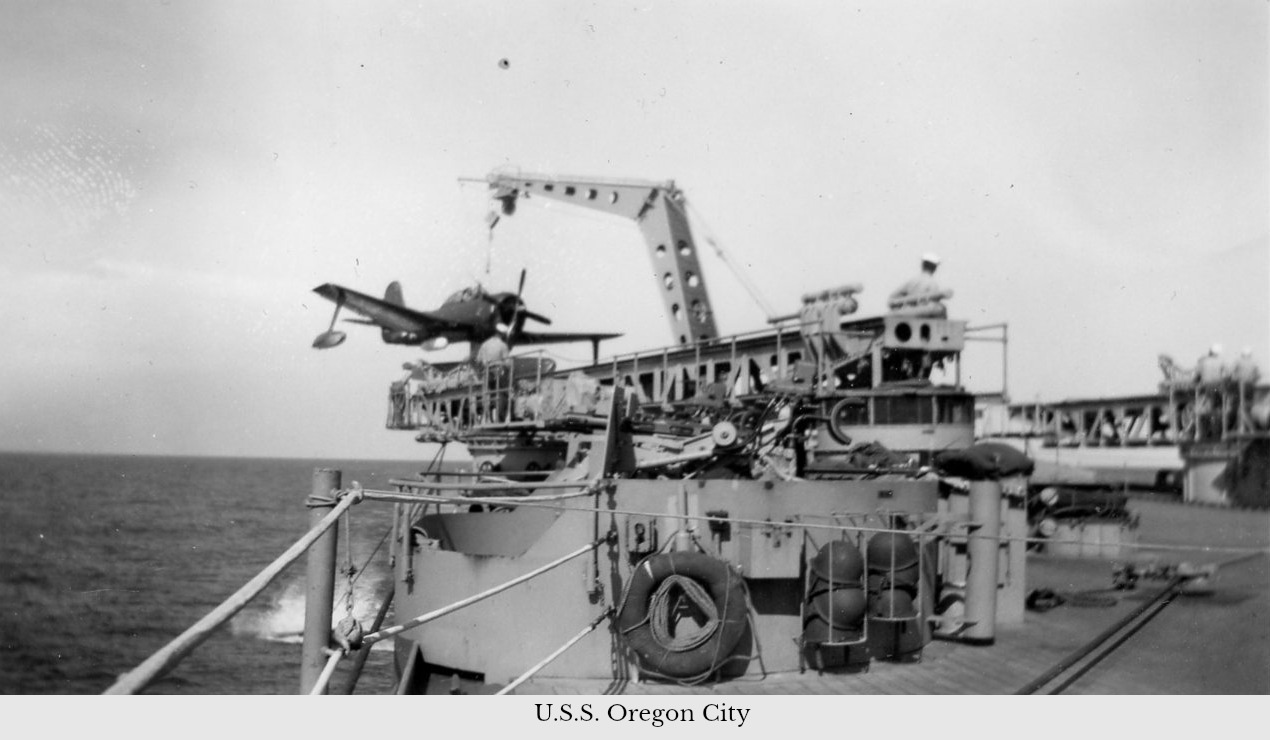
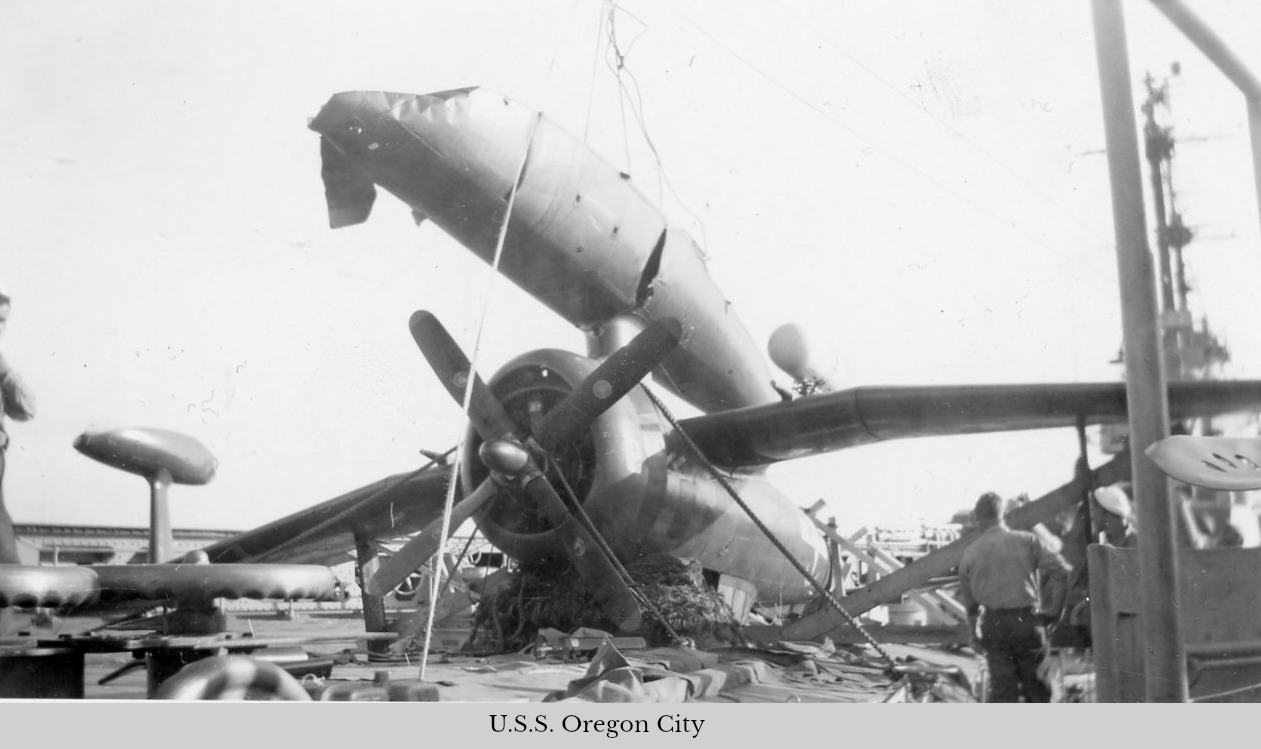
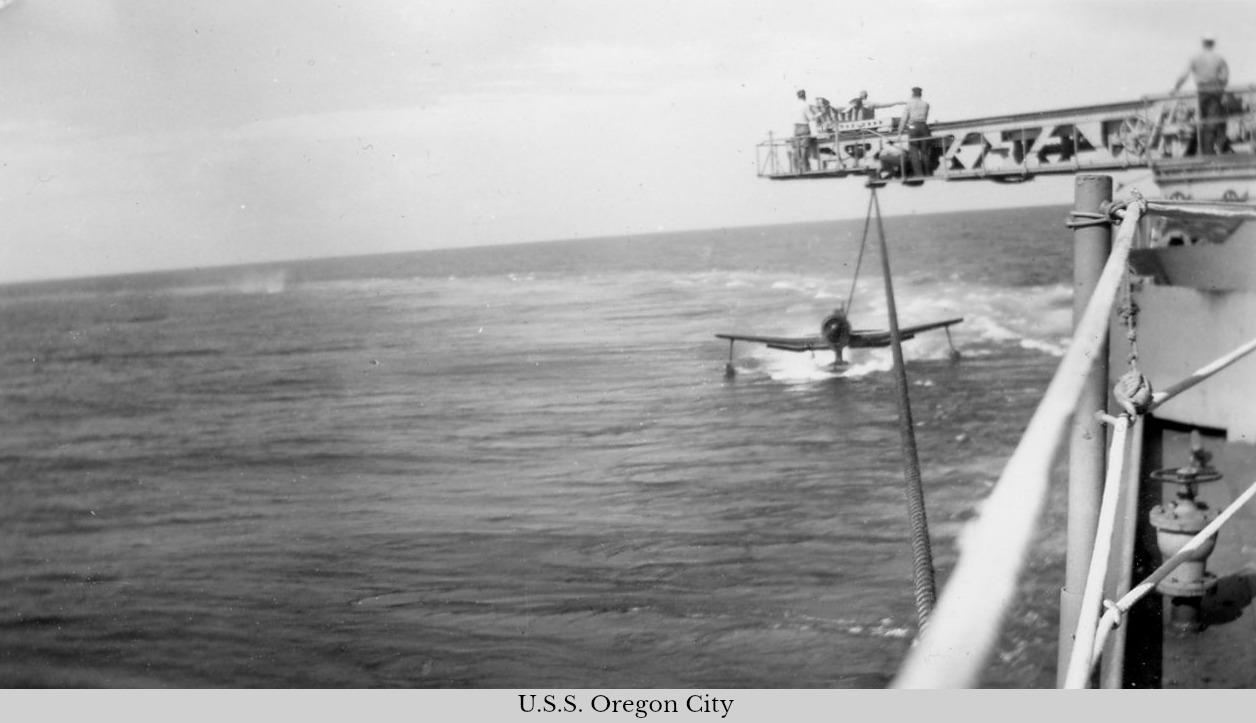
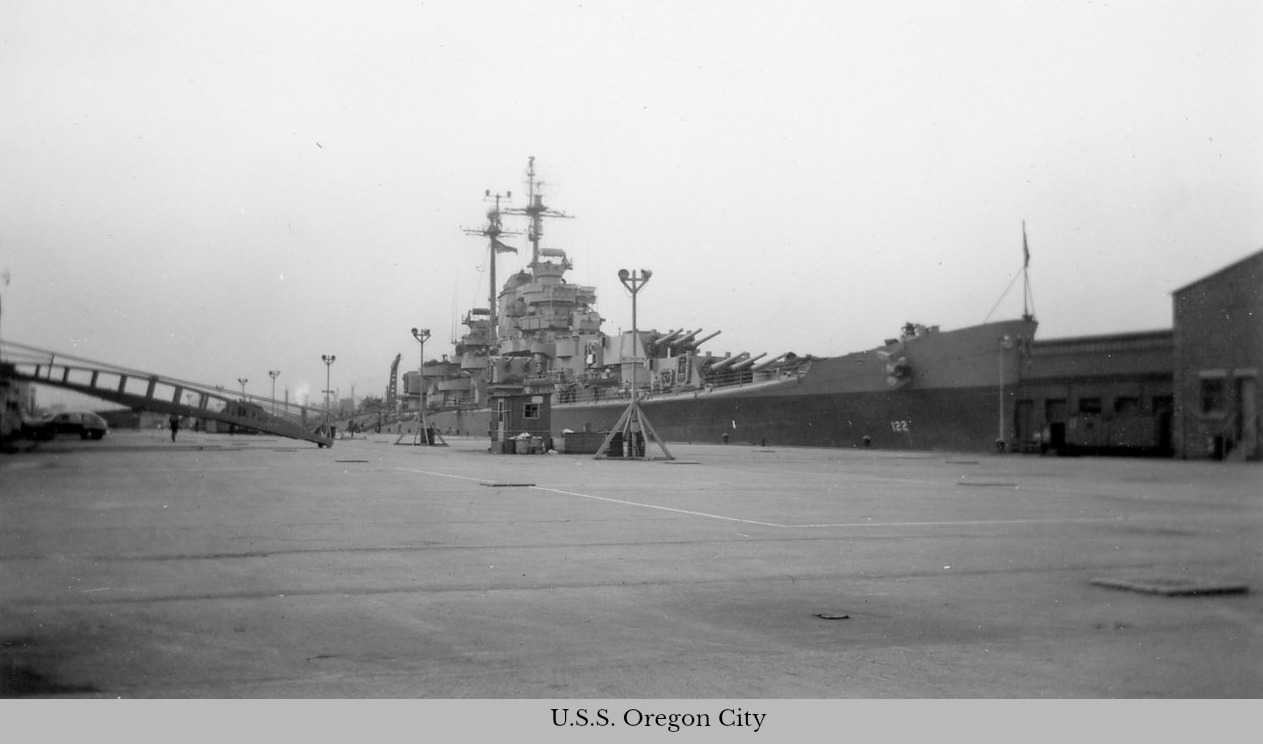
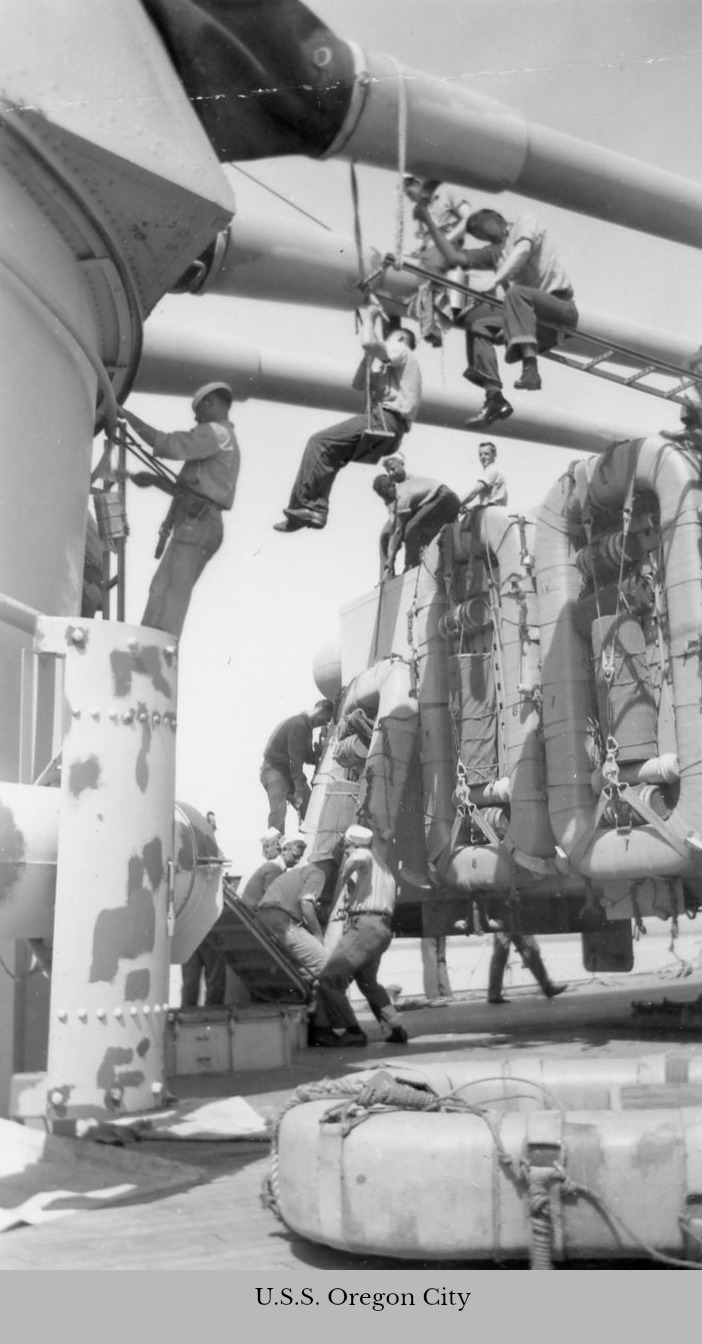
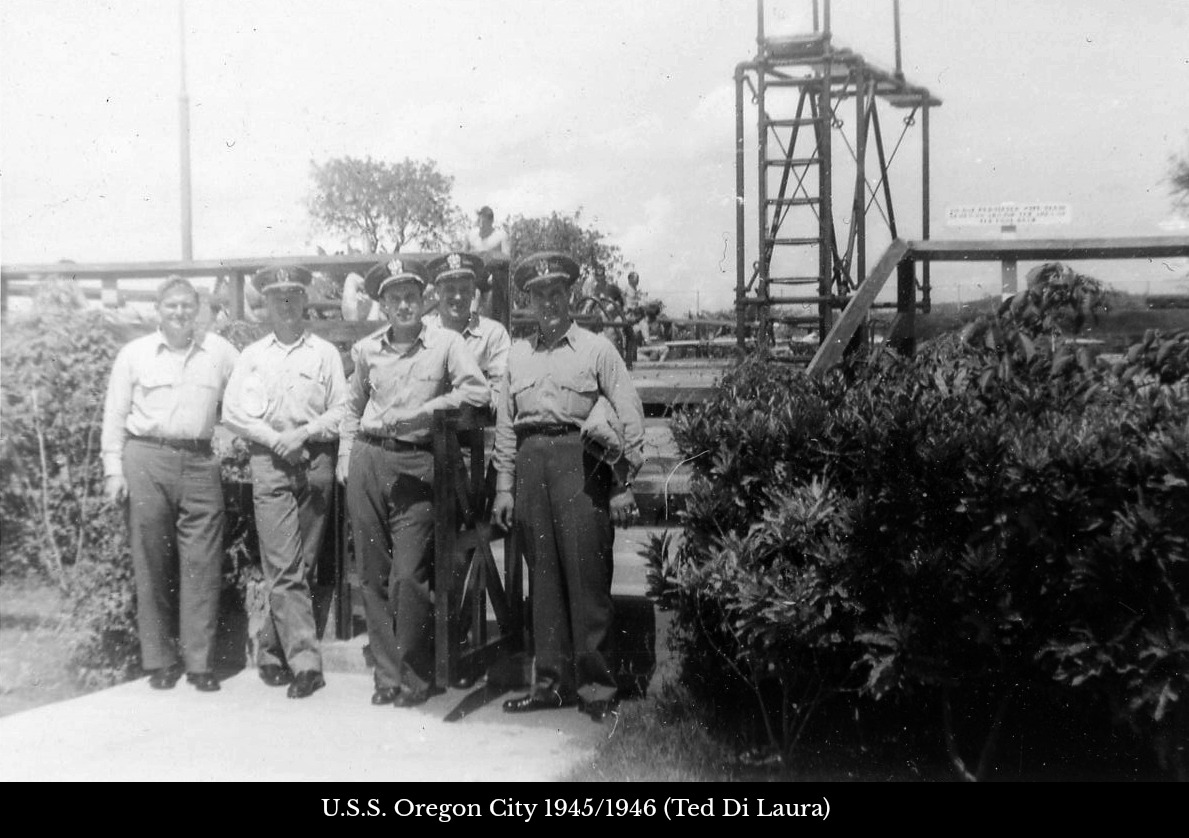
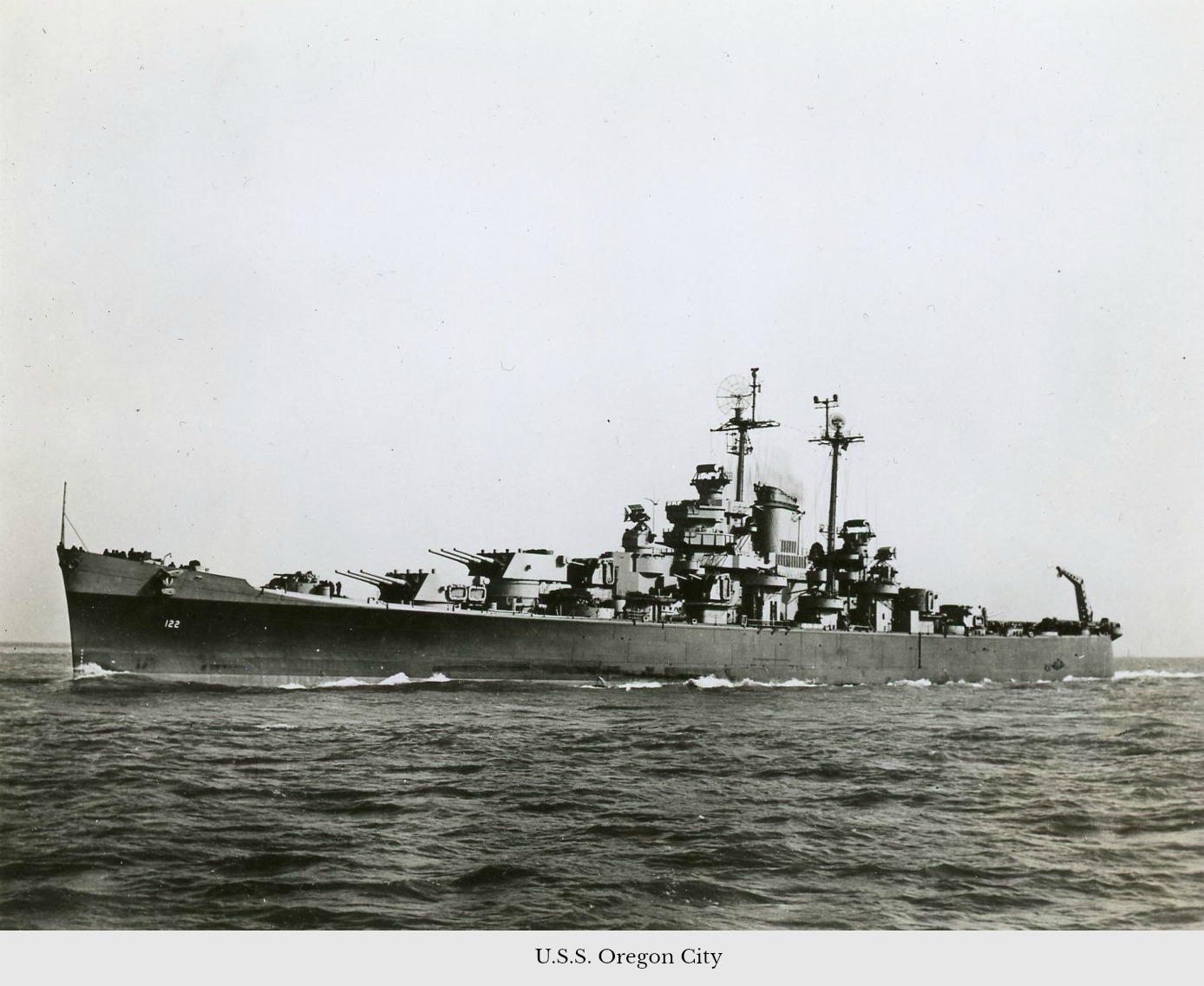
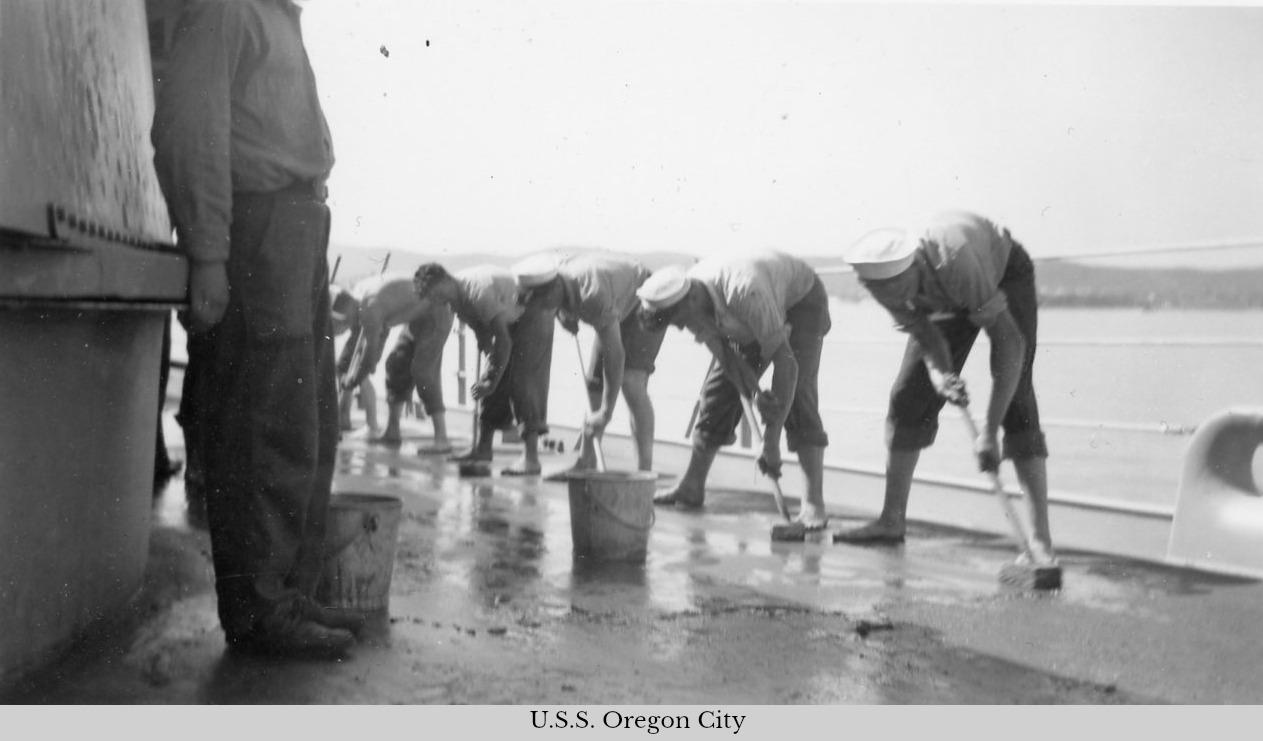
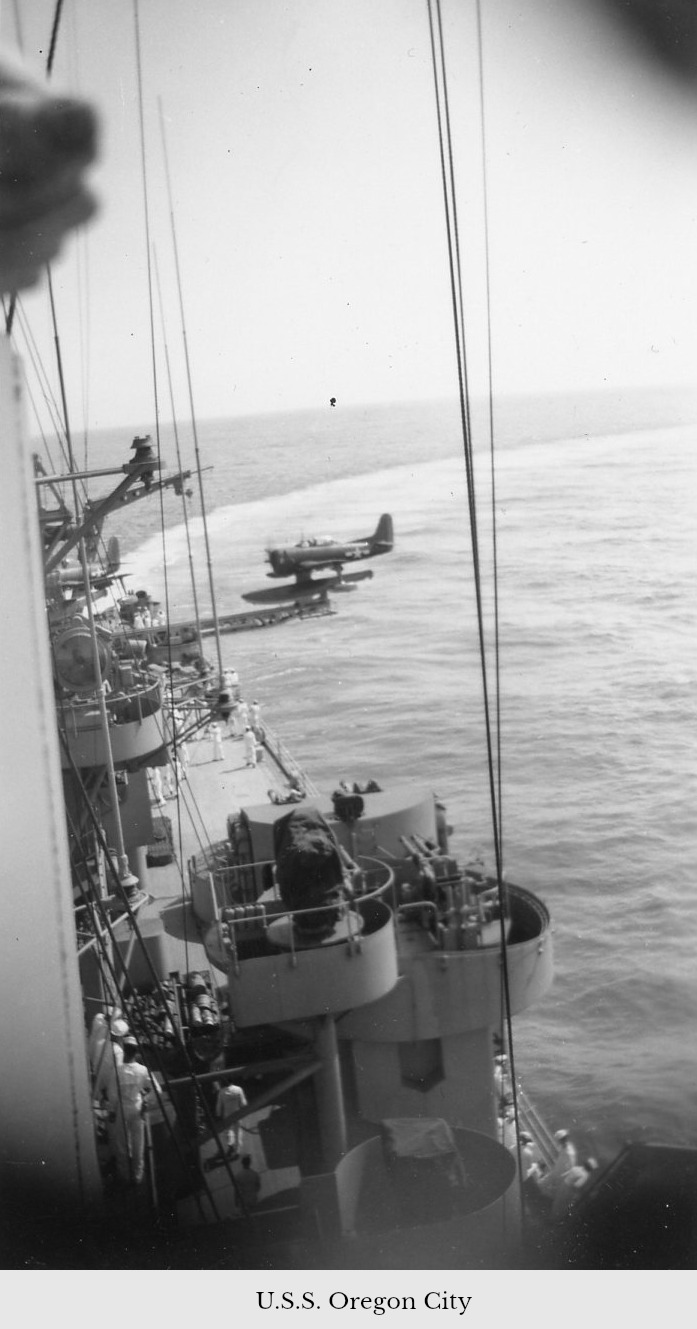
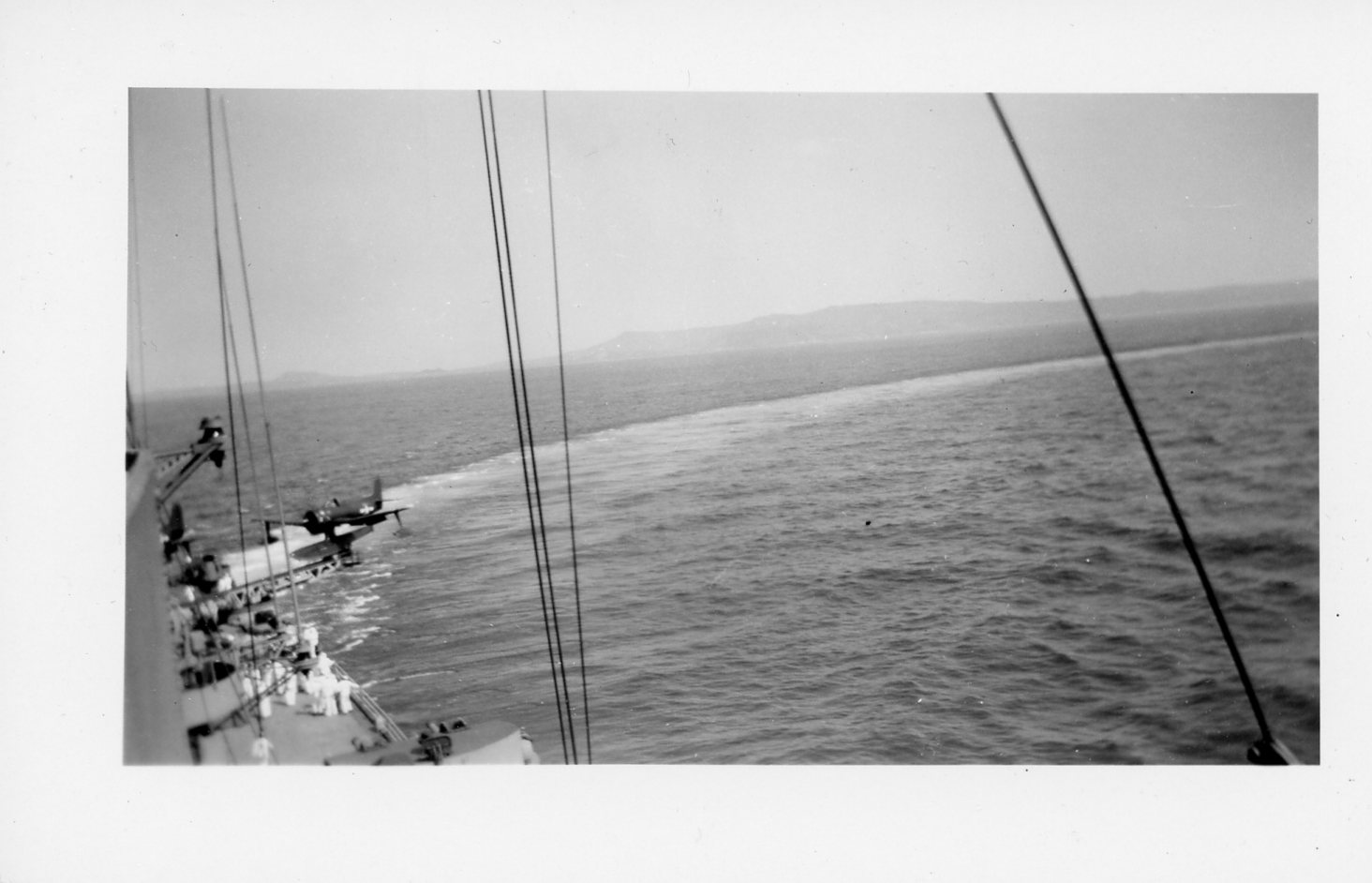
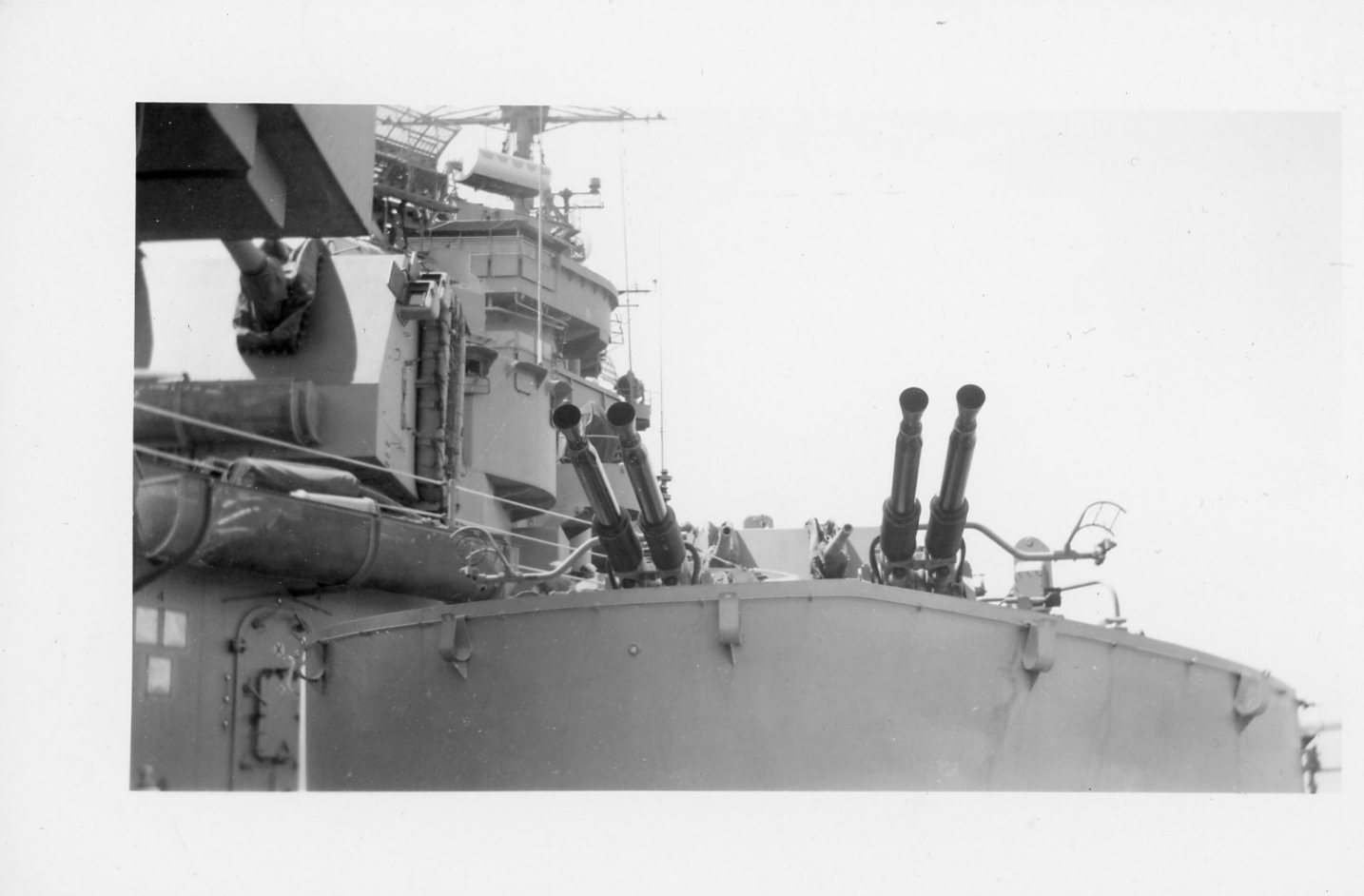
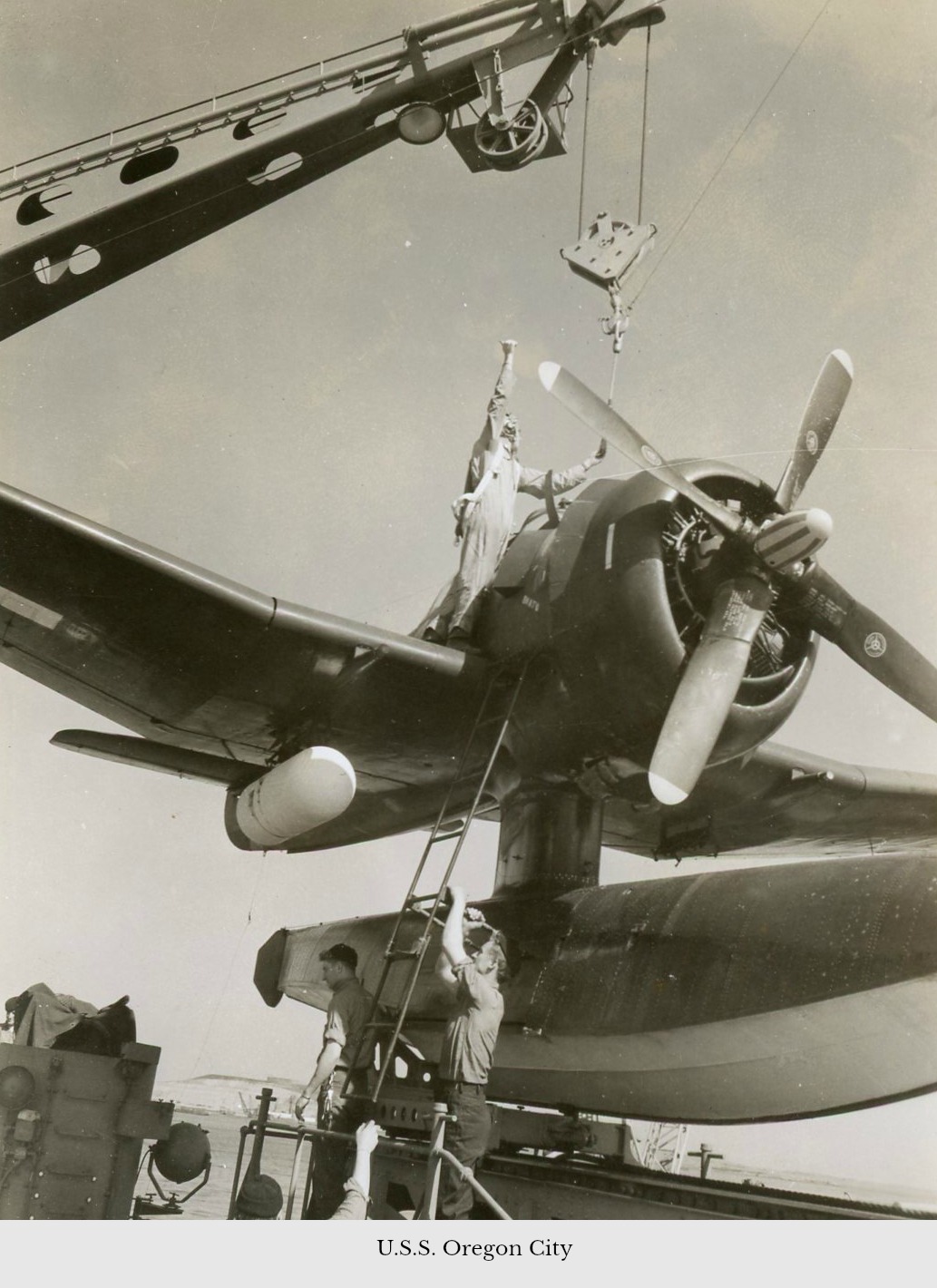
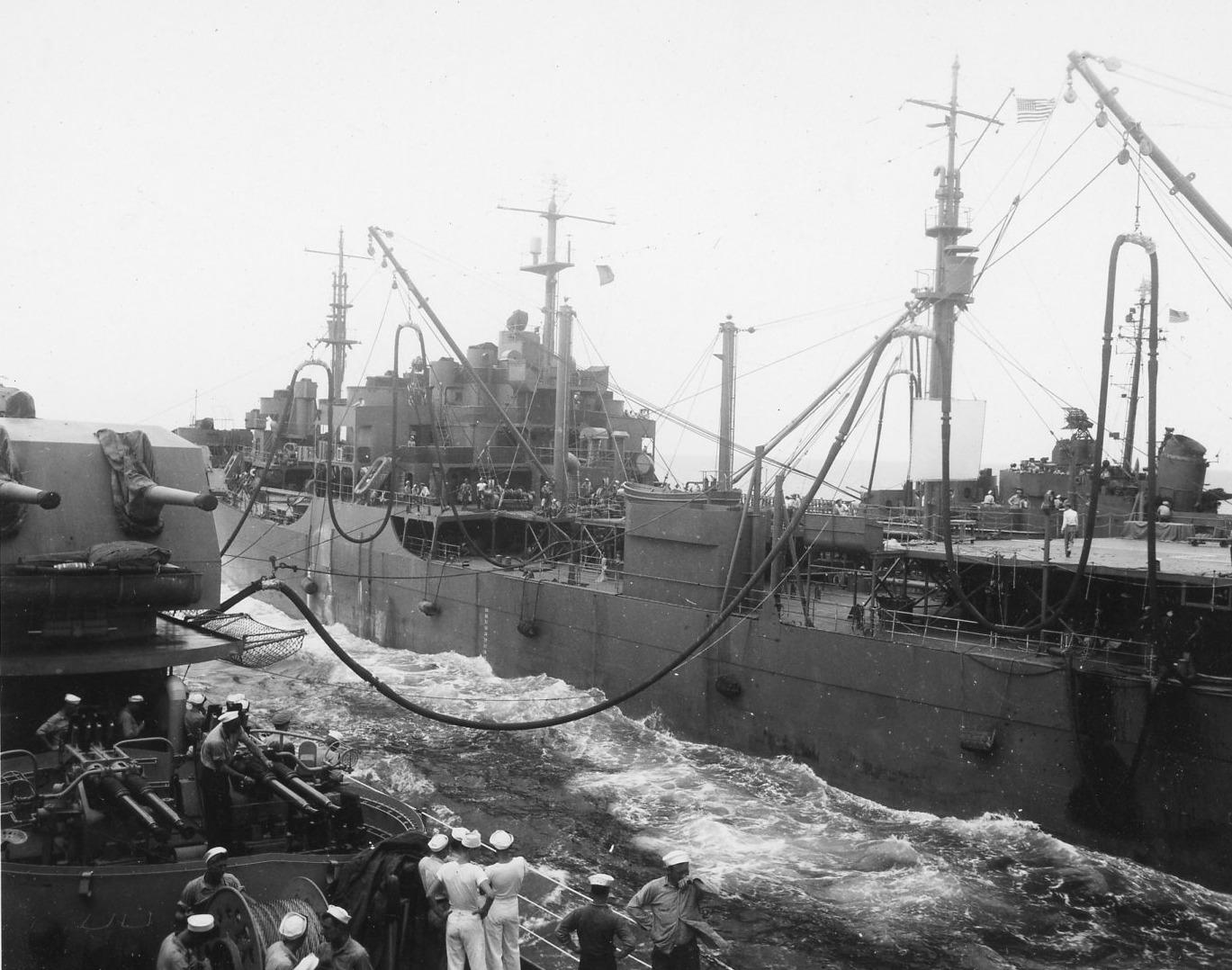
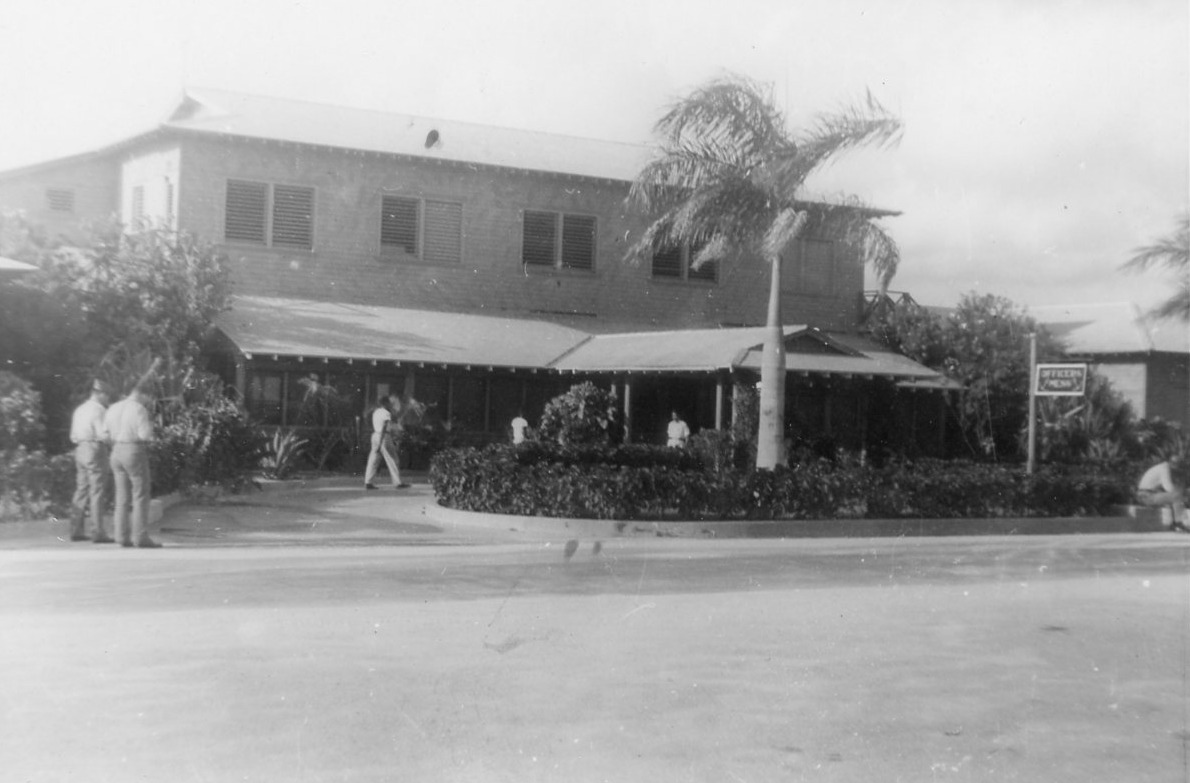
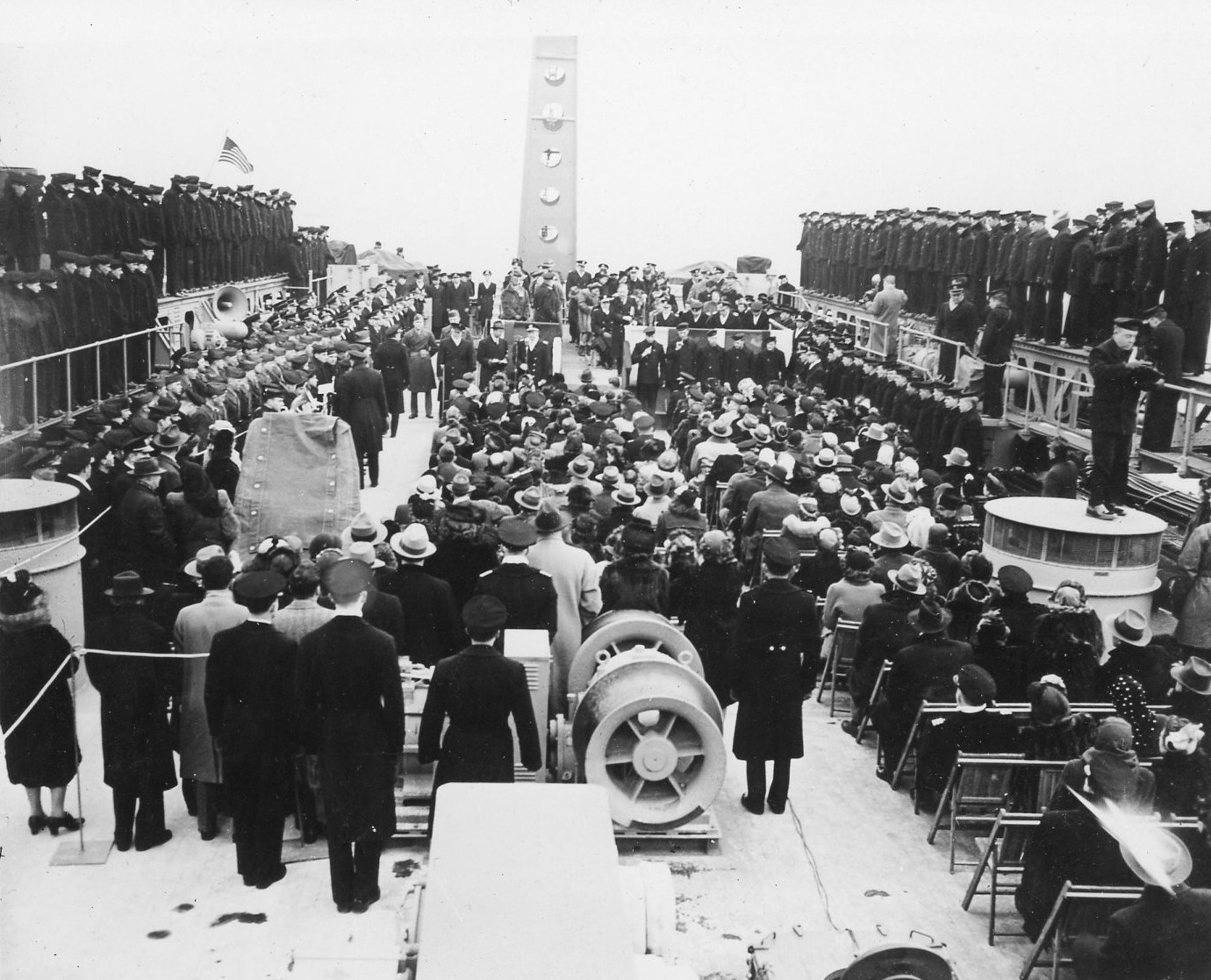
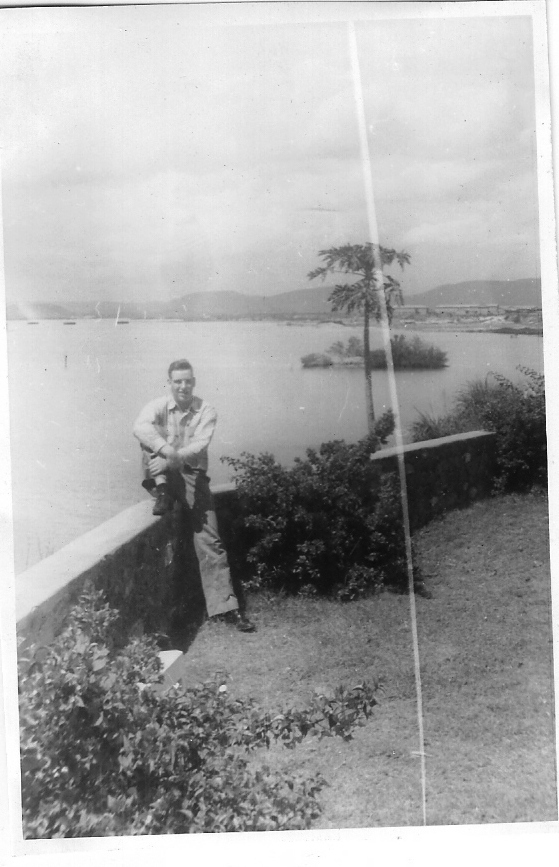
1945/1946 photos of the U.S.S. Oregon City (heavy cruiser) and of the shakedown at the Guantanamo Bay Naval Reserve. All photos below were scanned from print copies owned by Robert Hess who served as an Ensign.

Robert Hess Navy from April-May 1946

Robert L. Hess, my father, was an Ensign on the U.S.S. Oregon City. In this blog, I share pictures that I scanned from a photo collection that my father owned.  I believe that some of these photos were taken by my father. It is possible that he also obtained some of these photographs from another unknown source/person. Enjoy this glimpse into history on the U.S.S. OREGON CITY and also the photos taken at their 1945/1946 shake down at Guantanamo Bay Naval Reserve.

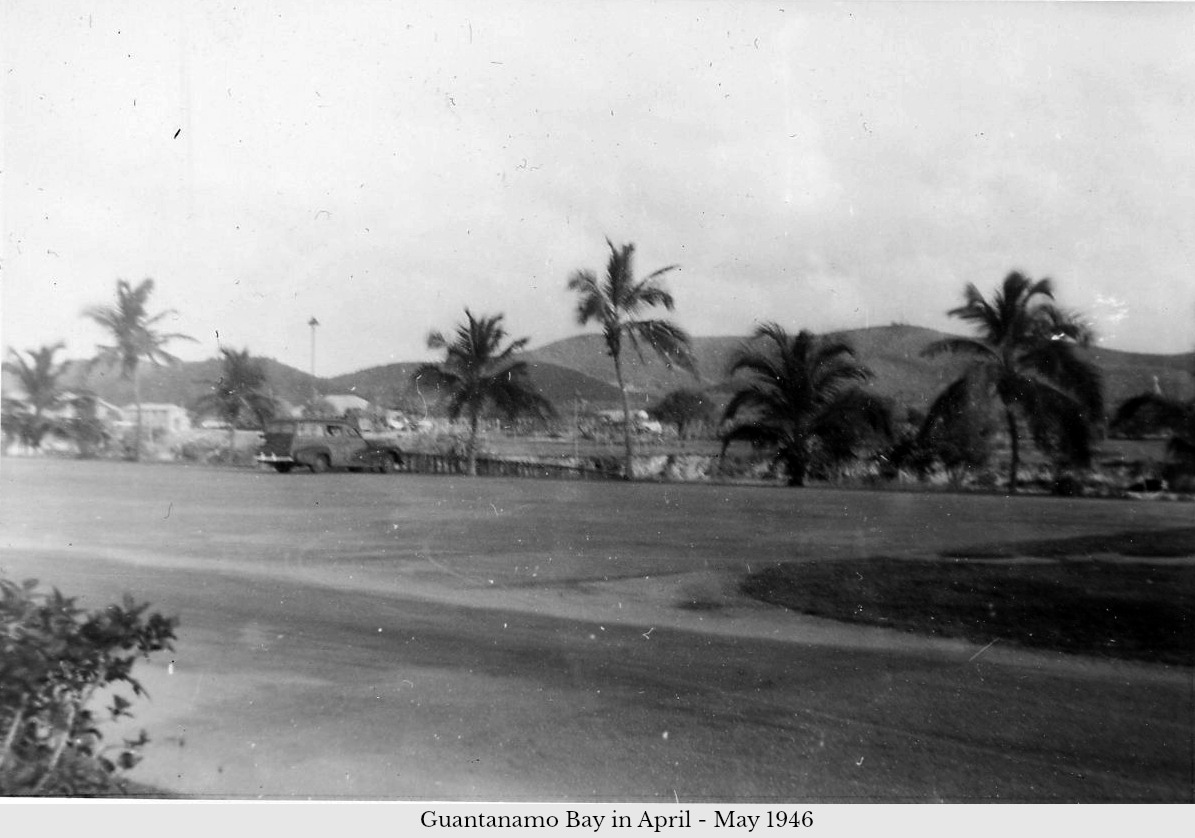
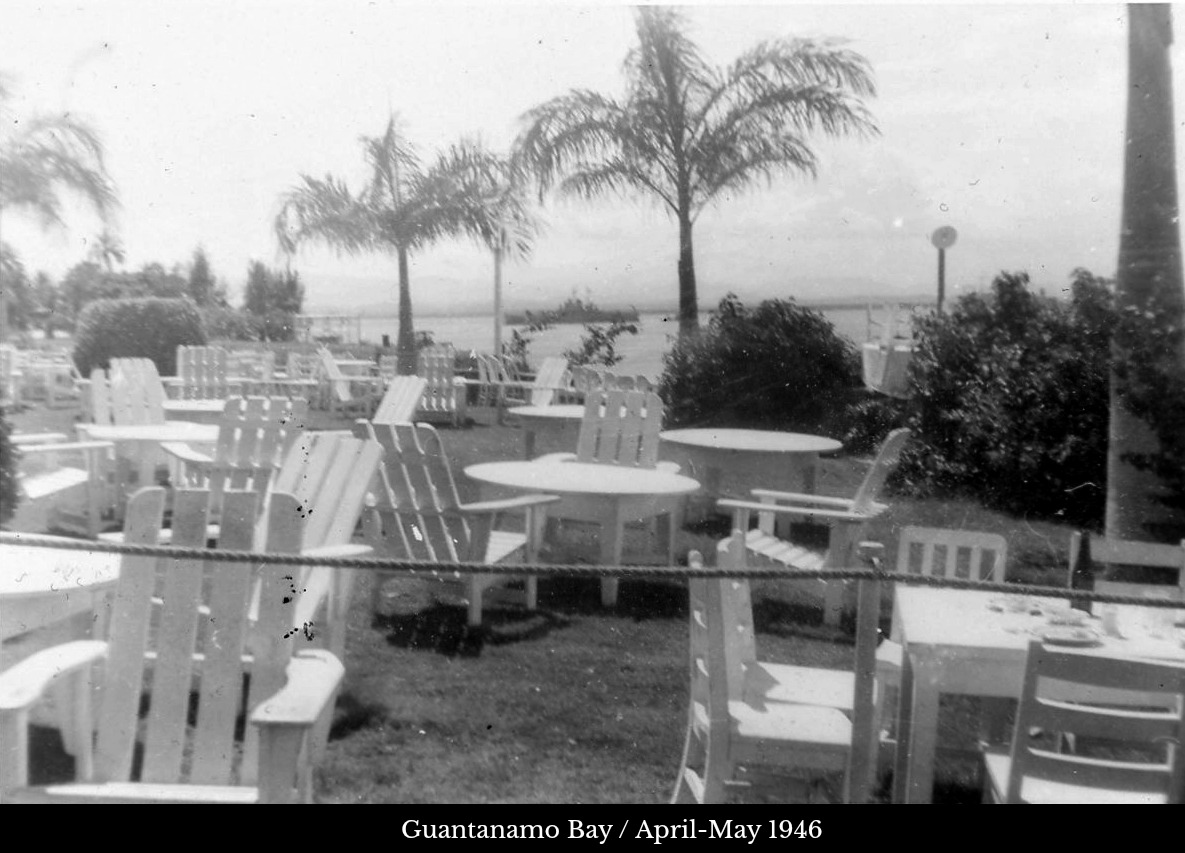
The Oregon City sailed from Boston  on 31 March 1946 for shakedown at  the Naval base on Guantanamo Bay, then returned to Boston in mid-May.  The photos from my father’s collection that were taken at Guantanamo Bay are all captioned “April-May 1946.”

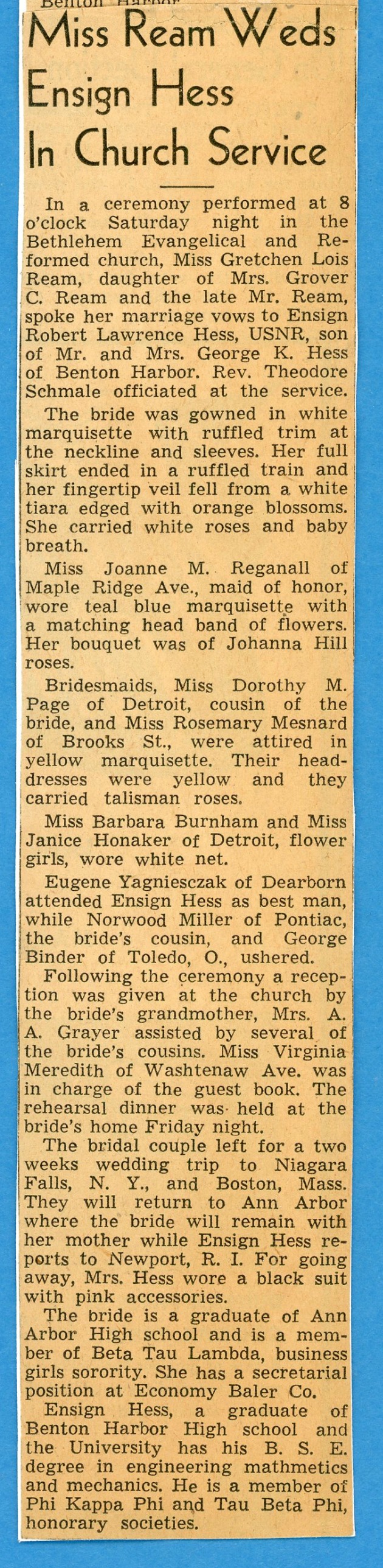
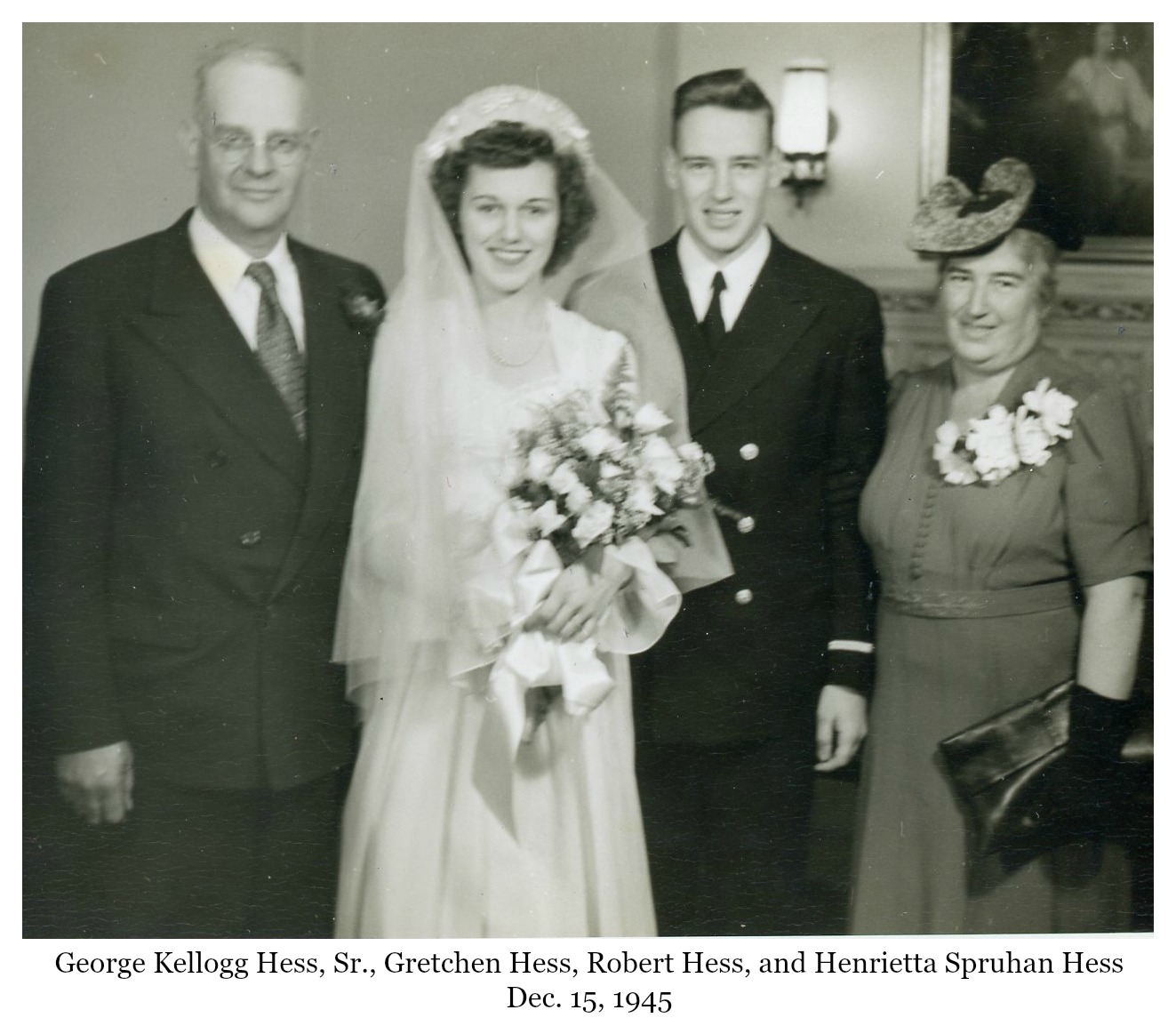
My father, Robert L. Hess, enlisted in the U.S. Navy’s pre-officer training (V-12) while he was still in High School in Benton Harbor, MI. He entered into active service on 1 July 1943 and was assigned to the University of Michigan where he earned two B.S.E. degrees from the Engineering College in 1945. He was then assigned to the Midshipman program at Columbia University. He was commissioned as an Ensign in October of 1945.  He married my mother, Gretchen Ream Hess, in Ann Arbor on 15 December 1945.

He was assigned to the USNRMS (United States Naval Reserve Midshipman’s School), at Columbia in New York where he took his officer training.

During his Naval career, he served on the USS Oregon City (CA-122), the USS Kula Gulf (CVE-108) and the USS Manila Bay (CVE-61.)

img330 USS Oregon City


img331 USS Oregon City

img327 USS Oregon City

img328 USS Oregon City

img329 USS Oregon City

img334 USS Oregon City


img337 USS Oregon City

img339 USS Oregon City

img338 USS Oregon City

Guantanamo Bay parking area April to May 1946

Guantanamo Bay outdoor chairs and tables naval reserve 1946

img342 USS Oregon City


USS Oregon City sun bathing

with text Robert Hess Spring 1946

img973 USS Oregon City

img974 Oregon City

img975 U.S.S. Oregon City

img976 Oregon City

img977 Oregon City

img978 USS Oregon City

img979 USS Oregon City

img980 USS Oregon City


img983 U.S.S. Oregon City

img984 U.S.S. Oregon City

img985 U.S.S. Oregon City

img986 U.S.S. Oregon City

img988 U.S.S. Oregon City.jpg

img989 U.S.S. Oregon City

img991 U.S.S. Oregon City

img993

img992 commissioning of the USS Oregon City


Robert L. Hess- History of Research, Service and Teaching Contributions to the University of Michigan

Dr. Robert Lawrence HessMemorandum to File: Nov. 24, 1986

Subject: Robert L. Hess’s History of Research, Service and Teaching Contributions to the University of Michigan.

In 1945, Professor Hess received two B.S.E. degrees from the University of Michigan in less than a 3 year period, one in Engineering Mathematics and the other in Engineering Mechanics after which he served as an Engineering Officer in the U.S. Navy. Hess served as junior Division officer, main engines division, on a heavy cruiser at sea and later as auxiliary Division officer on a pair of light escort carriers.

Upon release from active World War II service he returned to Ann Arbor, the home of his wife, Gretchen R. (REAM) Hess. On a visit to the Engineering Mechanics office he was hired as a full-time Instructor and was asked to undertake a research project by Prof. J. Ormandroyd. The project became the basis of his Doctorial Thesis, “The Dynamics of Ship’s Structures, including Shear Deformations”. This work was directed by Professor Ormandroyd and became one of the first major engineering works to be programmed for the ENIAC (that being done by the David Taylor Model Basin, Dept. of the Navy). During the three years of full time teaching as an Instructor, (Dr.) Hess served in the U.S. Naval Ready Reserve and spent his training periods at the Model Basin. He was honored by being requested to provide 40 hours of lectures at the Model Basin on advanced mathematics and dynamics for the scientific staff of the U.S. Navy when he was 24 years old.

Professor Hess was recruited by the Bell Telephone Laboratories and joined BTL, upon completion of his doctorate, as a Member of the Technical Staff in the fall of 1949, being assigned to a ‘heavy-tube’ Development Group. The many research projects he participated in included the assignment to undertake the development of a pilot line for the production of both the material for and the devices known as ‘point-contact’, type A transistors.(This was before the courts ordered BTL to place the technology on the market and was thus a unique endeavor for Dr. Hess upon which several of the newly licensed companies partly based their developments.) It was typical of him to have the breadth of both interest and scientific knowledge that brought him such a coveted assignment and also success in it. He developed new techniques of crystal growing and zone-purifying as well as a novel method of doping the contact area using microwave techniques to created photo-sensitive transistors.

In his third year at BTL Dean G.G. Brown called him with an unsolicited invitation to return to the U. of M. as an Assistant Prof. of Chemical and Metallurgical Eng. and Assistant Professor of Engineering Mechanics and to also take on a Phoenix Project dealing with the atomic structure of glass. Dean Brown gave Prof. Hess the challenge of creating a new course in structure of glass and ceramics. At the end of his third year Hess was promoted to Associate Professor of Engineering Mechanics and left the Chem. Met. Dept. He undertook the reactivation of the Engineering Mechanics Department’s Photo-Elasticity Lab. and generated a course for it as well as teaching in the areas of elasticity and dynamics.

In about 1957, Vice President and Dean of Faculties, Prof. M. Niehus asked Prof. Hess to join an elite committee of engineers and scientists to oversee the work of the Willow Run Laboratories which at that time was experiencing troubled relationships with the Department of the Army, its prime source of support. In Jan. 1958 Dean Niehuss requested that Hess take leave of his teaching and consulting practice and join a new management team, headed by Prof. J.A. Boyd (now Chairman of Harris Corp.) to salvage and redirect the Willow Run Laboratories. Hess was given the specific assignment of Technical Director of Project Michigan, a 4 to $6 million/year program, as well as an Assistant Directorship of WRL. In addition Hess became the Head of the Applied Research Group of the Labs, which at that time had just demonstrated the MASER and a year prior to the demonstration of the Ruby LASER. Hess was instrumental in extending optical data processing to the field of automatic photo-interpretation. In March of 1958 Dean Attwood informed Hess of the approval of his promotion to full Professorship. ( A promotion which was said to make Hess the youngest full professor in the College’s history up to that time.)

Prof. Hess soon developed a keen ability to manage multiple teams of researchers on topics varying from Information processing, semiconductor development, infrared scanning and synthetic antenna radar. He was able to apply his knowledge of basic physics and mathematics to the tasks as a member of the research teams and also represented them to general officers representing the U. S. Army, and, upon the creation of a Department of Defense to the scientific part of that community. In his unique fashion and with unusual modesty, his term of management, which after three years included the project directorship as well as its technical direction, Hess always put his staff in the foreground and sacrificed personal fame in the process. Never-the-less upon his decision to return to teaching, the Department of the Army awarded Prof. Hess with THE OUTSTANDING CIVILIAN SERVICE AWARD and METAL the inscription of which read in part  ‘Hess succeeded in establishing and maintaining the University of Michigan as the leading free world authority in surveillance technology. His own proven scientific talent and professional imagination contributed additionally to the accomplishments of a broad team of scientists and technicians. The rare combination of skill, foresight and devotion to country….’.

During the years of 1964 and 1965, Hess served as the personal representative of the U.S. Army’s Assist. Chief of Staff for Intelligence and led teams of scientists though a comprehensive field review of the Army’s Combat Surveillance capabilities both in Europe and in Korea. The Army implemented over 70% of his technical recommendations for the Korean area. In 1965 Professor Hess visited with President H. Hatcher with the view of leaving the Project Michigan assignment and returning to full-time teaching. By that time, the I.S.T. had been created and W.R.L. was part of it and Hess was one of its Directors. President Hatcher, through Prof. Norman, Vice President for Research offered Hess the challenge of using the $10 million original gift from the automobile industry to create the Highway Safety Research Institute. This was a special honor as that gift was reported to have been the largest gift in the University’s history at that time. Upon acceptance, Hess hired a top level ‘internal administrator’ for H.S.R.I. and thus was able to devote his attention to building the staff and its research programs and also to return to teaching which was his first love. With a Regent ally appointed Executive Committee and with the cooperation of dozens of the University’s faculty Hess was able in a few years to build a facility, hire internationally known figures and to build a program of research spanning fields from Law to Medicine and from Engineering to Psychology. His untiring drive established the Institute as the world’ premier institution of its kind and brought not only many millions of research dollars to our campus for the support of researchers, faculty, and graduate students but also enhanced the reputation of the University of Michigan.

During his tenure at H.S.R.I., Hess served as a consultant to the Army’ Science Board where he both chaired and participated in the study of many of the nation’s outstanding technical problems and challenges.

Professor Hess personally undertook two major research studies while teaching a nearly full load and directing the H.S.R.I. These were the review of the complete research findings in the scientific, engineering and medical communities of the experimentation protocols and the same for the area of blunt trauma to the human head and the same for the area of blunt trauma the thorax. In each case an annotated history of the development of the use of the knowledge in regulation was developed and  recommendations were made for future research in the fields. The second of these studies was selected for publication in the S.A.E.’ transactions. Hess served the University by membership on President Nixon’s Highway Safety Advisory Committee and also undertook several overseas services as a Consultant to the Wor1d Hea1th Organization.

Prof Hess resigned his position as Director of U.M.T.R.I. (the successor to H.S.R.I.) and returned to a full time faculty teaching role in January of 1984. Shortly thereafter Hess founded a computer software company, HCCI, which deals in engineering specialty software for a international audience in the forensic engineering area. In keeping with his reputation, he has undertaken the teaching of the Control Systems course, ME461, a new course for him, with vigor and has provided new leadership in its laboratory and course work with several software packages he has written to enhance the depth and breath of the educational experience of the students. These include programs dealing with Fourier techniques, general integration methods, data plotting, frequency analysis, root locus, Nyquist techniques, Myk1lestad and Holzer techniques, matrix iteration techniques, eigenvalue/eigenvector techniques and many others. He also accepted an assignment as the Mechanical Engineering Program Advisor and has written degree-audit software packages now used by the Mechanical Engineering and Applied Mechanics department. The implementation of modern techniques allows Professor Hess, as the Advisor, to take a proactive rather than a reactive role in counseling. Similar HCCI software is now being installed in a large engineering college.

Professor Hess’s academic and service accomplishments are outstanding and the respect that he has gained from his peers is only reflective of the credit he has given to them over a total of 37 years of devoted service to the University. In the Pentagon, corporate offices, the classroom and laboratory he has represented the best the University of Michigan could offer its students and country.

Robert Hess retired from active faculty status