I encourage you to take a moment to share photos or memories of wallpaper that once claimed precious wall real estate in your homes. It’s such a fun topic—and almost everyone seems to have a story to tell.
Wallpaper actually began as a luxury, created in medieval times as a substitute for costly wall tapestries. By the 18th and 19th centuries, printing advances made wallpaper more affordable and accessible across social classes. It reached peak popularity during the Victorian era—though unfortunately, this was also when many wallpapers contained arsenic. Yikes. Because people didn’t yet understand the dangers, the resulting illnesses were often blamed on “bad air.”
I’ve been using Google search within my Google Photos albums to track down pieces of our own family wallpaper history, and it’s been a surprisingly delightful trip down memory lane. I hope you’ll share photos too! Tell me about the wallpaper you loved… or the patterns you couldn’t wait to see disappear.
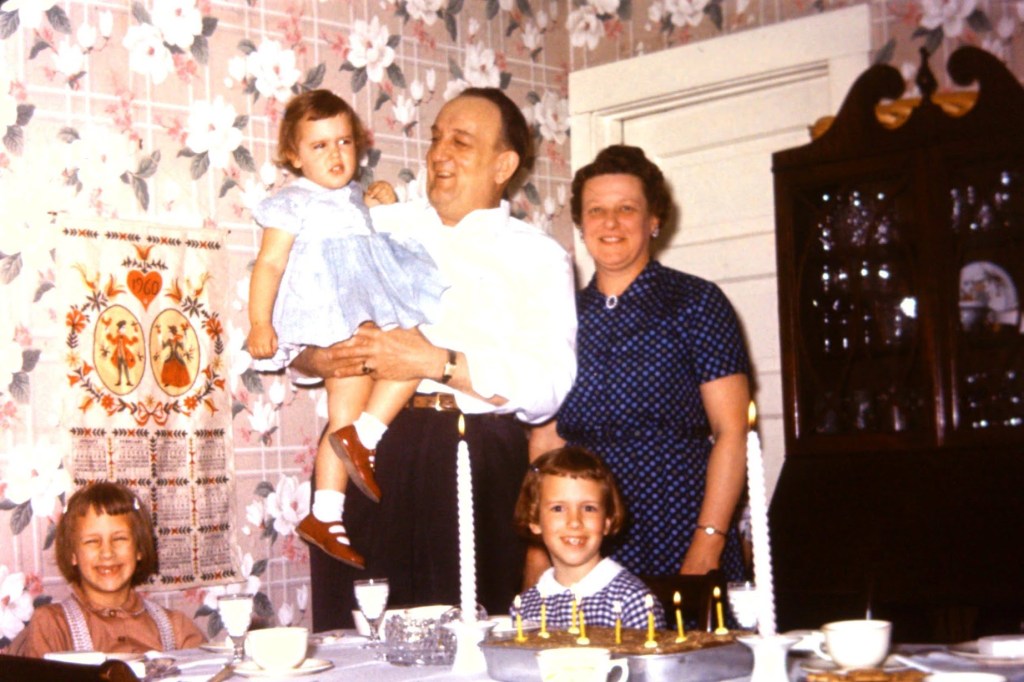
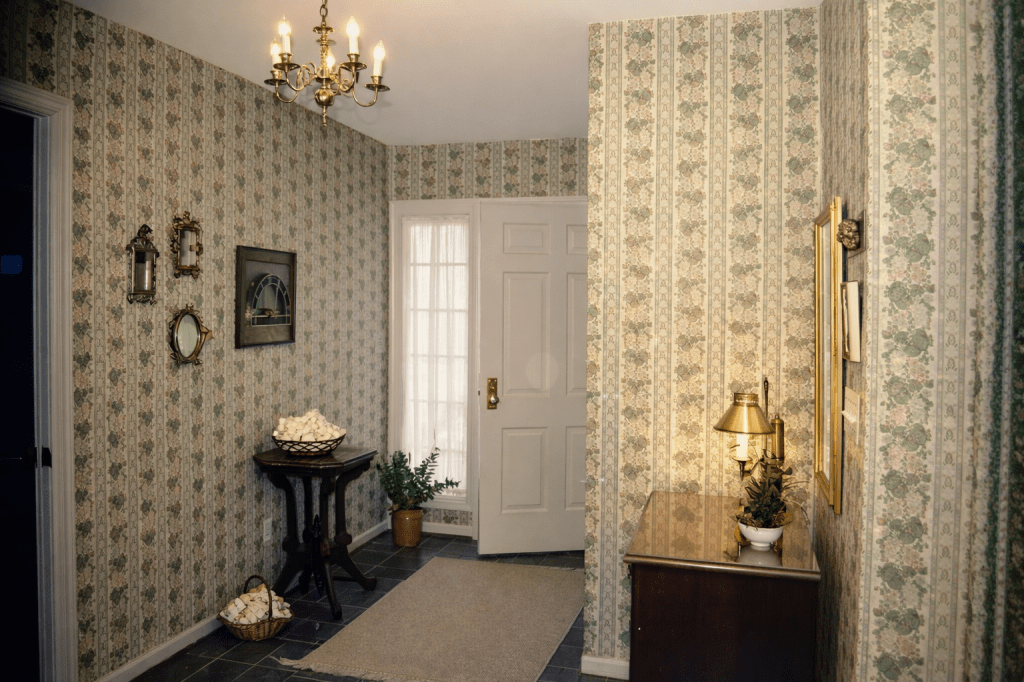
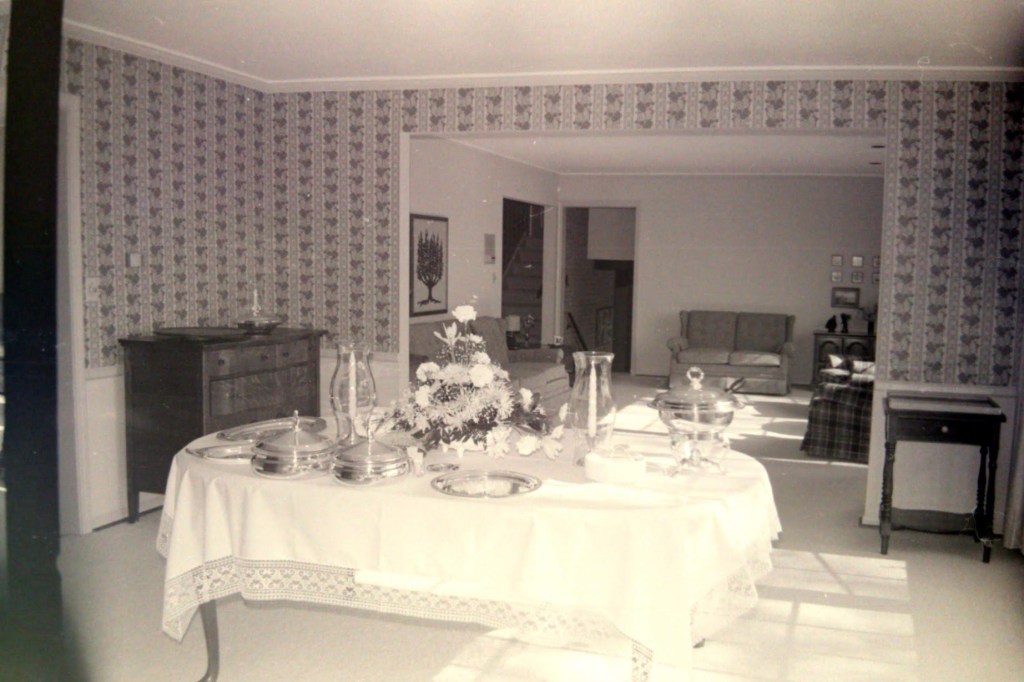
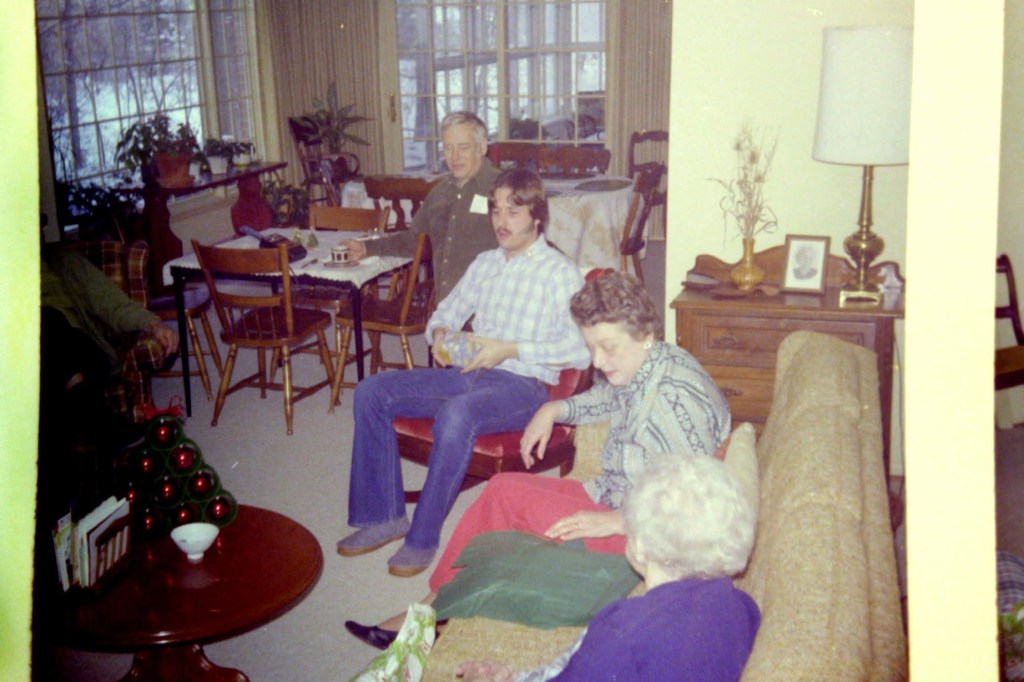
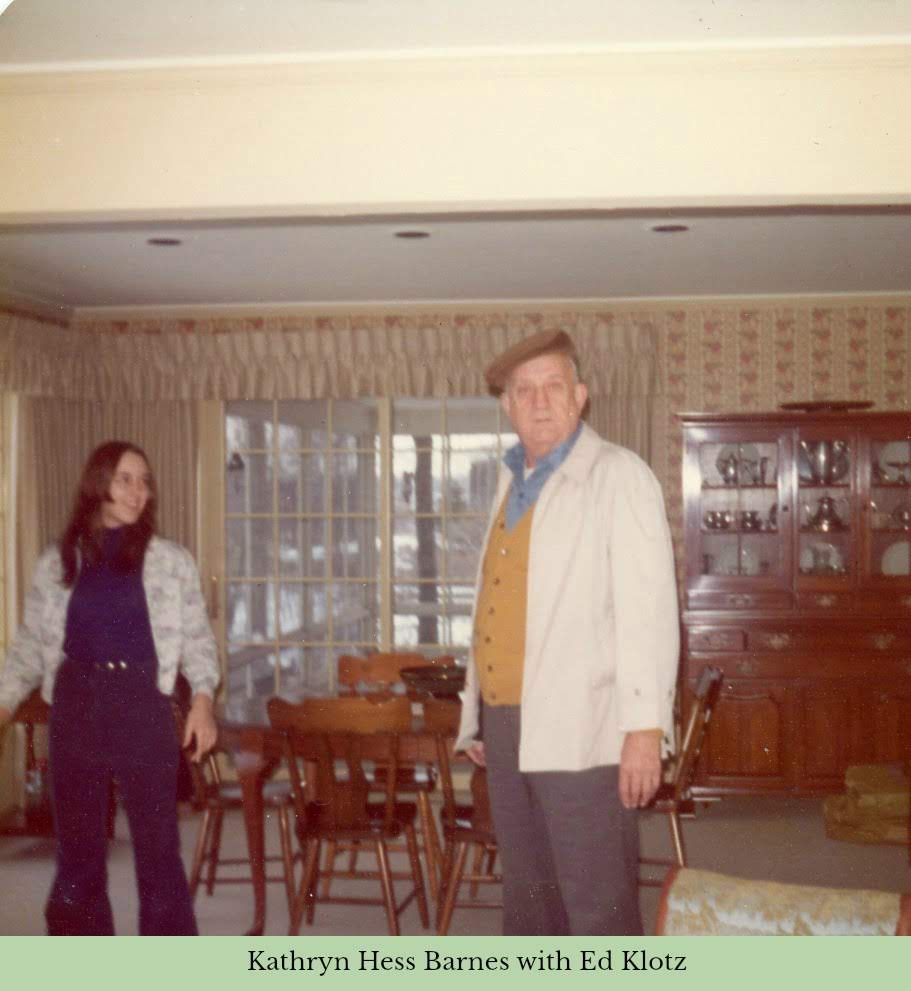
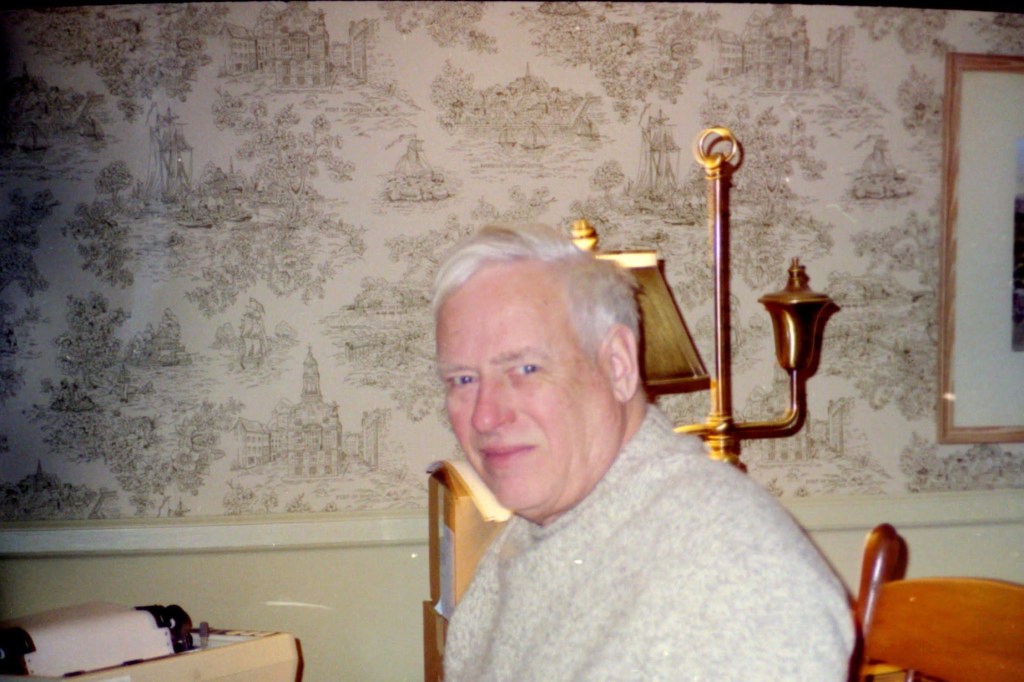
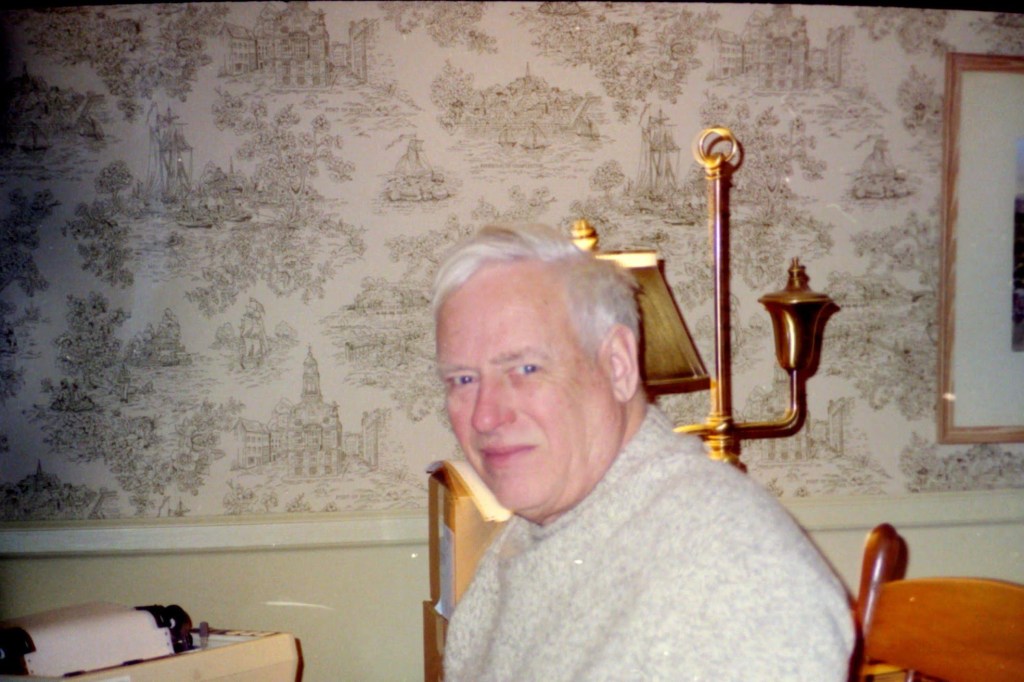
Linda Claire, Kathryn, Edward Klotz “Bones”, Madalyn Klotz and Mary Ann in March 1960 at the Klotz home on North Main Street, Ann Arbor, MI.I colorized this photo and enhanced it, but in my memory it should have more gold tones. What a lovely and elegant 60’s style entry way to 2629 Danbury Lane, Ann Arbor, MI The pocket door on the left side was the doorway to the kitchen. The dining room at 2629 Danbury Lane, Ann Arbor, MI – photo from the mid 1960’s.This photo shows the wallpaper in the dining room at 2629 Danbury Lane, Ann Arbor, MI. My Heritage dates this photo with 86% accuracy as 1977. Pictured are: Robert Hess, Tim Whitmer, Madalyn Klotz and ? (this does not look like Aunt Babe to me???)This photo is estimated as 1975. The Dining Room of 2629 Danbury Lane, Ann Arbor. The door wall leads out to the enclosed back porch.I am dating this wonderful photo of Dad at about 1990. He is seated in his study at 2629 Danbury Lane, Ann Arbor, MI . I adored this wallpaper and the study. This was also the location for our piano.
When Mike was in college at the University of Michigan, he rented an apartment near the Law Quad on Oakland Avenue. Honestly, I don’t think anyone could ever top the creative use of wallpaper in that place. It was boldly expressive and always sparked conversation.
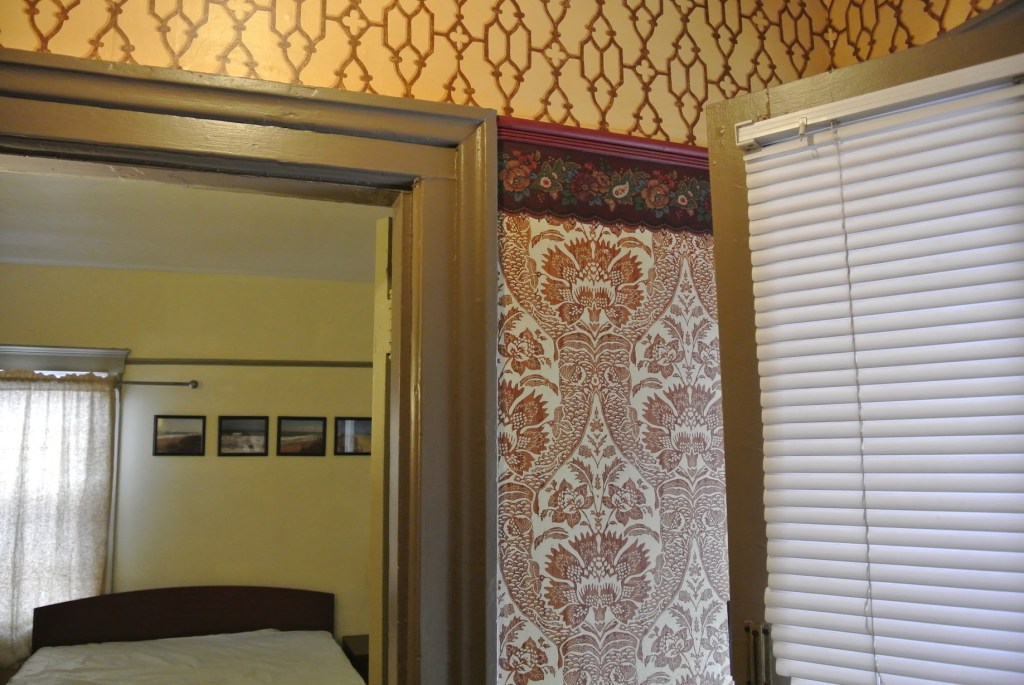
I’m still a little distraught that I can’t find the photo I took of theliving room ceiling—it was covered with a huge quilted star that was absolutely unforgettable. The image below is from the entryway of that apartment, but the ceiling is the one I wish I could show you!
The front hall to Mike’s apartment on Oakland Ave., Ann Arbor. This wallpaper design was carried through into the living room and was really quite remarkable.
The wallpaper story that immediately comes to mind for me is Mike and I trying to remove a Winnie-the-Pooh wall border in the house at 2725 Yost Blvd. It must have been super-glued to the wall. We were so determined to get the job finished before our exchange student arrived that we worked ourselves into total exhaustion. Somewhere along the way, fatigue turned into slap-happy delirium, and the whole miserable task became oddly hilarious in retrospect.
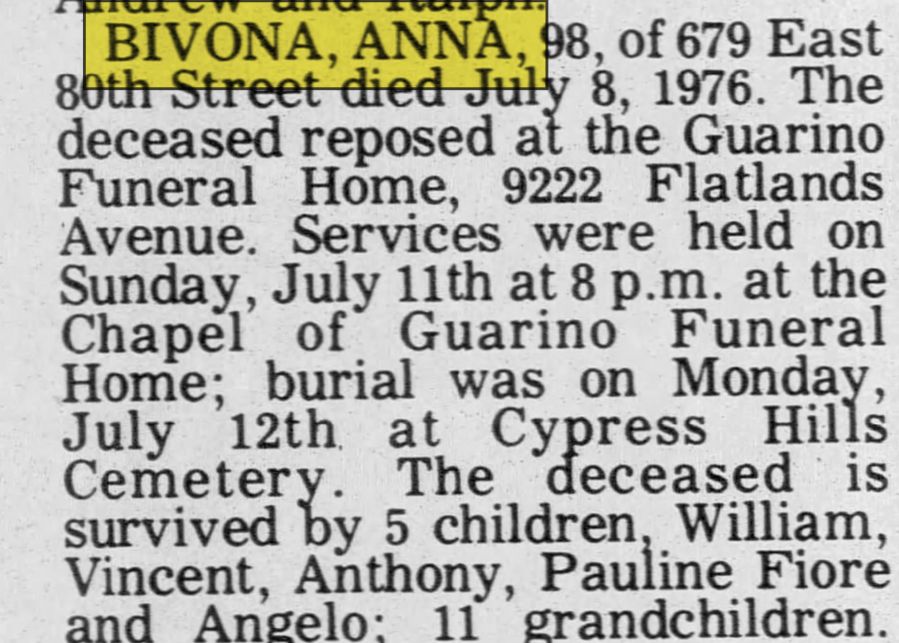
When Anna Cappadoro was born on November 30, 1877, in Sicilia, Italy, her father, Guglielmo, was 45, and her mother, Maria, was 44. She had seven sons and one daughter with Vincenzo (Vincent) Vincente Bivona between 1898 and 1918. She died on 10 July 1976 in Queens, New York, at the age of 98.
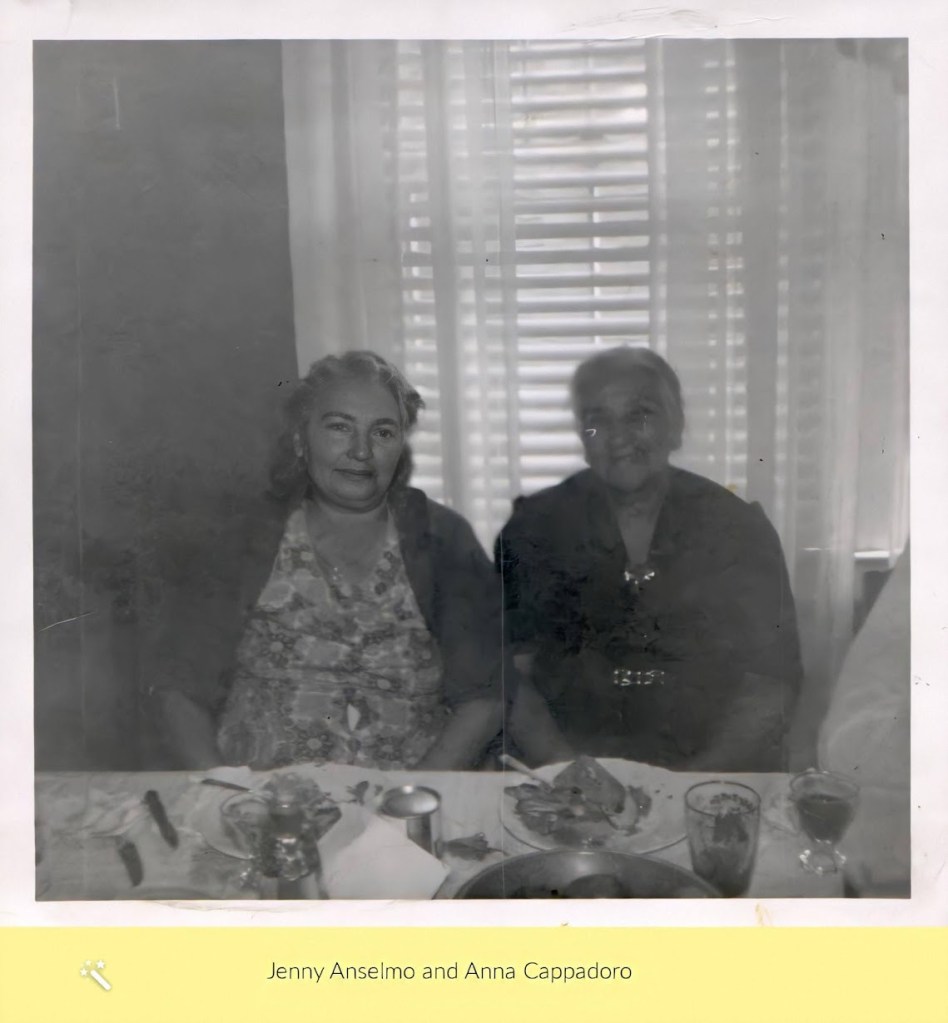
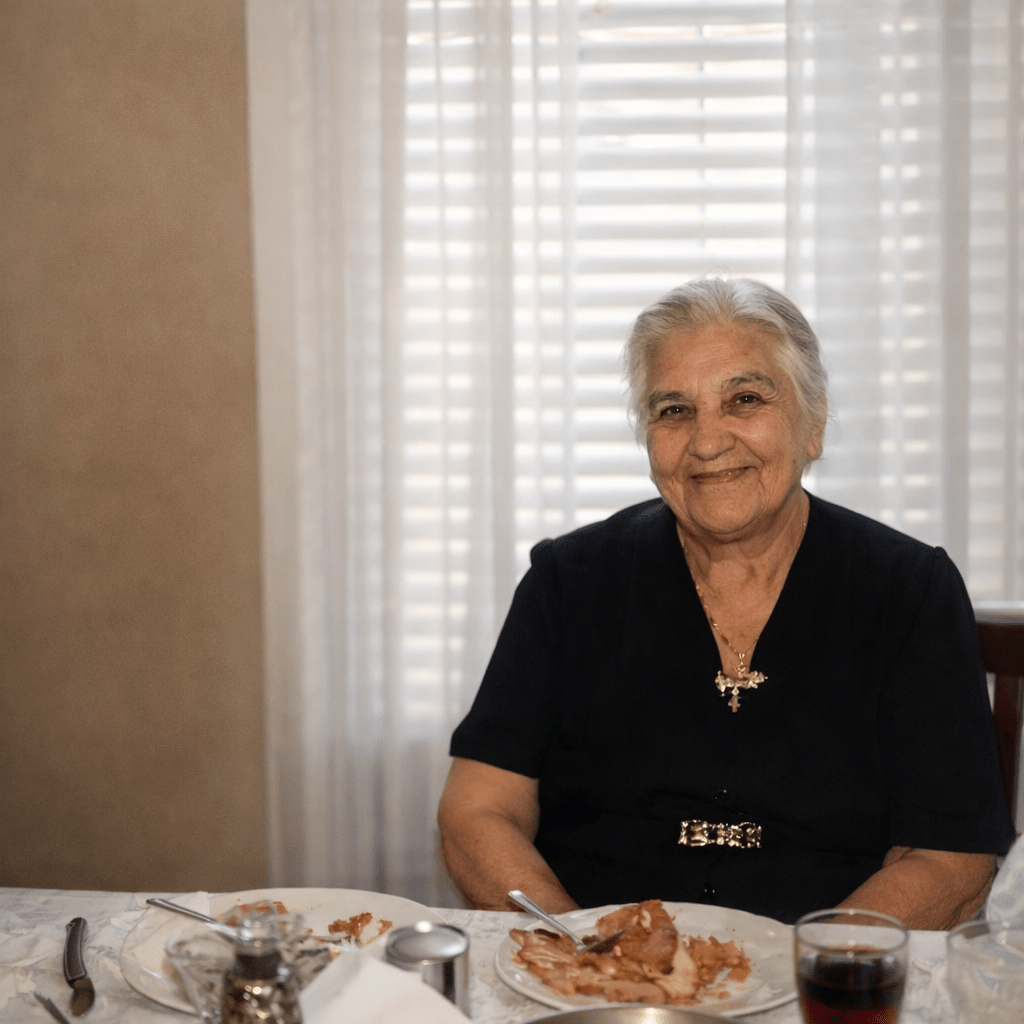
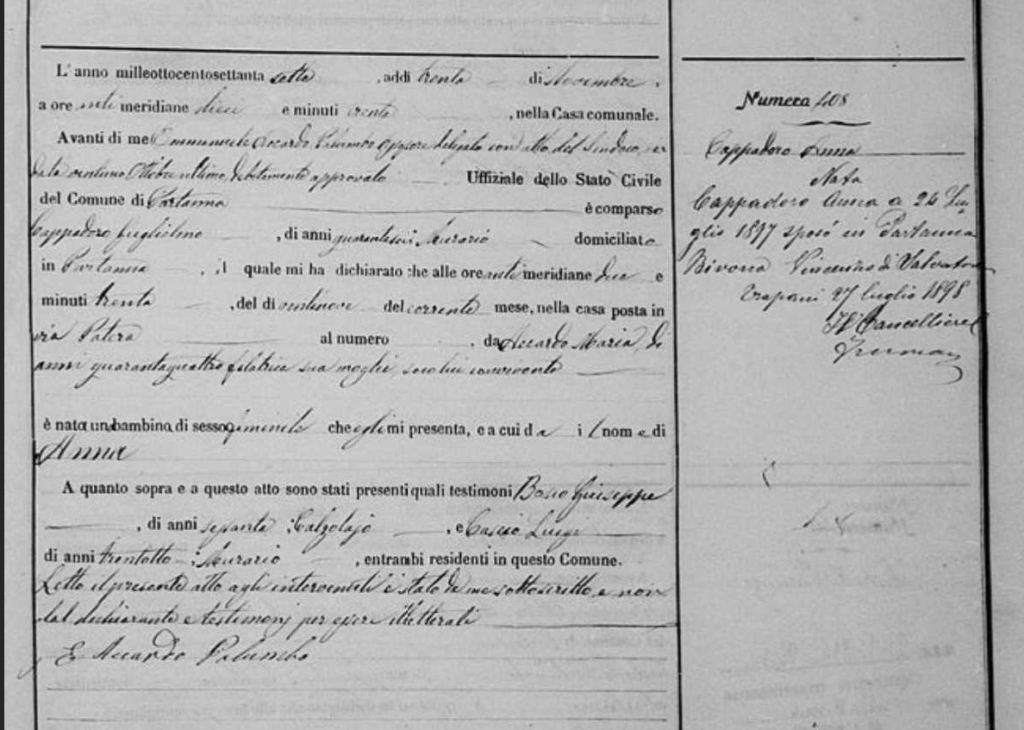
Anna is seated on the right side of this photo – date unknown. The magic wand on the caption means that I have made a digital enhancement to this photo.I asked AI to take the above photo of Anna and restore it completely. I will wait for members of her family to let me know how well this photo edit worked and how realistic it is.This edit certainly helps to see the details of her lovely dress and her gold necklace. The smile is gorgeous!The birth certificate for Anna. 26 Jul 1877. She was born in Custonaci which is a town and municipality located in the Trapani province of northwestern Sicily, Italy
I asked for AI for a translation of the birth certificate shown above:
Year 1877, on the 26th day of July, at the hour one after noon and minutes twenty, in the Town Hall. Before me, Emanuele Occorso, Mayor and acting Civil Registrar of the Municipality of Custonaci, appeared Cappadoro Luigi, 40 years old, stonecutter, domiciled in Custonaci, who declared to me that at the hour one after noon and minutes twenty, of the current day,in the house located on Via Salvo, to Cappadoro Maria, his wife, housewife, living with him, a female child was born, whom he presents to me and to whom he gives the name: Anna
The above declaration and presentation were made in the presence of the witnesses Bascio Giuseppe, aged 40, stonecutter, and Casale Luigi, aged 30, bricklayer, both residents of this municipality.
After this act was read to the declarant and the witnesses, they signed it with me.
Signed: Emanuele Occorso, Civil Registrar
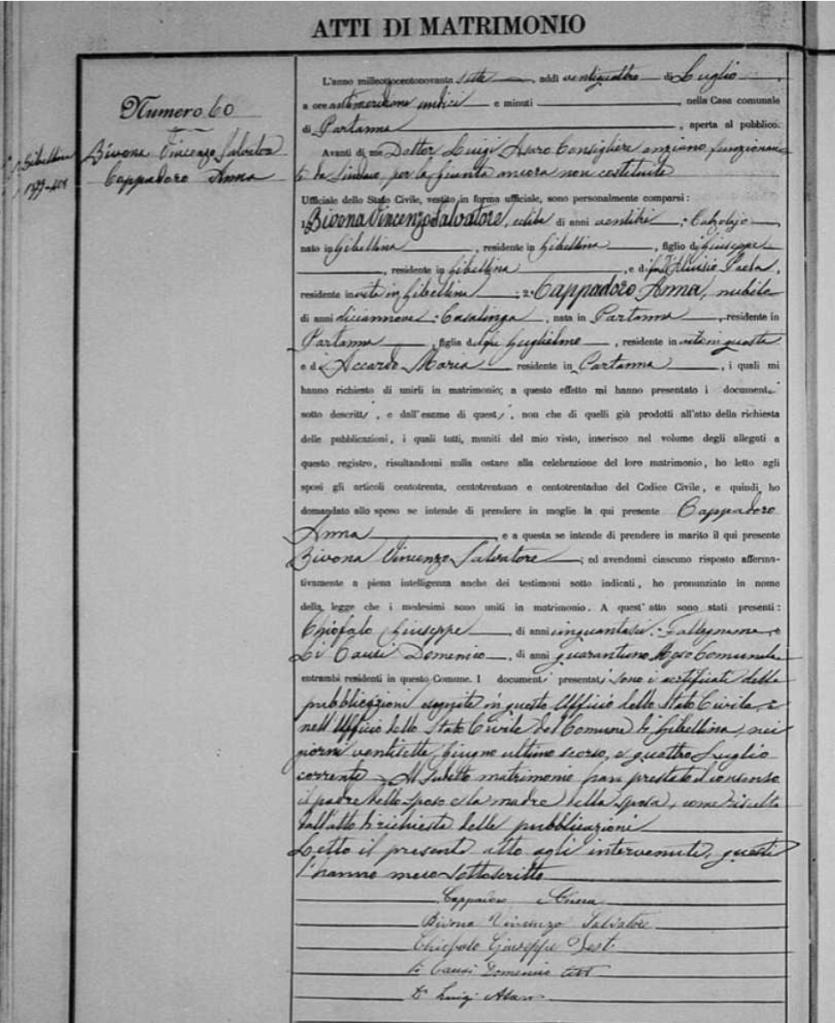
Wedding certificate for Anna. 27 Jul 1987 in Custonaci. Anna was 19 when she married. Her husband was 23 years old.
I used AI to translate this wedding document – see below:
Year 1897, on the 27th day of July, at the hour ten in the morning, in the Town Hall of Custonaci, open to the public. Before me, Dott. Luigi Quaranta, Mayor and acting Civil Registrar, vested in official form, there personally appeared:
Bivona Vincenzo Salvatore, unmarried, stonecutter, born in Gibellina, resident in Gibellina, son of Giuseppe, resident in Gibellina,and of Giuseppa Foderà, resident in Gibellina; and Cappadoro Anna, unmarried, housewife, born in Custonaci,resident in Custonaci, daughter of the late Luigi, resident in Custonaci, and of Accardi Maria, resident in Custonaci; who requested to be united in marriage.
For this purpose they presented the required documents, and from the examination of these, as well as of those already produced at the time of the marriage banns, all bearing my approval and inserted in the volume of attachments to this register, and finding no impediment to the celebration of their marriage, I read to the spouses the articles of the Civil Code concerning the rights and duties of husband and wife.
I then asked the groom whether he intended to take as wife the present Cappadoro Anna, and the bride whether she intended to take as husband the present Bivona Vincenzo Salvatore; each having answered affirmatively and mutually, in the presence of the witnesses named below, I declared, in the name of the law, that they were united in marriage.
The witnesses present were: Coppola Giuseppe, 40 years old, laborer, and Di Carlo Domenico, 44 years old, farm worker,both residents of this municipality.
The documents presented were: certificates of birth, marriage banns published in this Civil Registry Office and in the Civil Registry Office of the Municipality of Gibellina, and certificates showing that no impediment existed to the marriage. After this act was read aloud to those present, it was signed as follows.
Signatures: Cappadoro Anna Bivona Vincenzo Salvatore Coppola Giuseppe Di Carlo Domenico Luigi Quaranta, Civil Registrar
According to my research, Anna’s two oldest children were born in Italy. They were Giuseppe “Joseph” Bivona 1898-1961 and Gugllielmo “William” Bivona 1900-1981.
Her next 5 children were born in Argentina. They were; Juan “John” Bivona 1902-1975, Francesco “Frank” Bivona 1904-1969 (the direct ancestor to my brother-in-law’s family), Vincent E Bivona Jr 1908-2001, Antonio (Anthony Tony) Bivona 1911-1998,
Her youngest was born in New York. Angelo Bivona 1918-1993.
It is interesting to note that both Anna’s father and her husband were stone cutters.
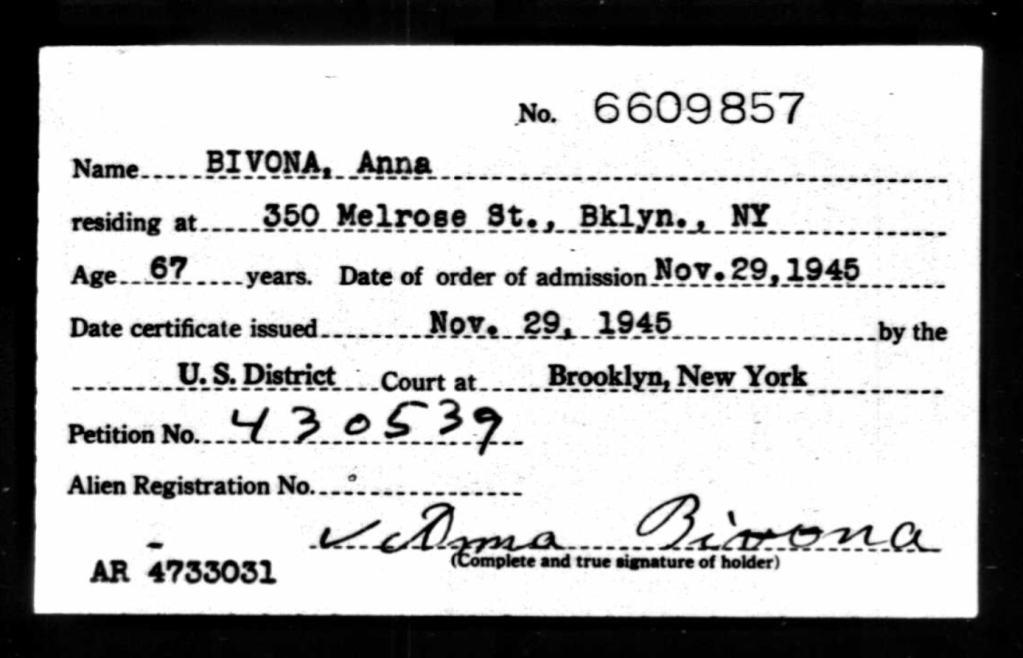
Anna became a naturalized citizen of the USA in 1945.
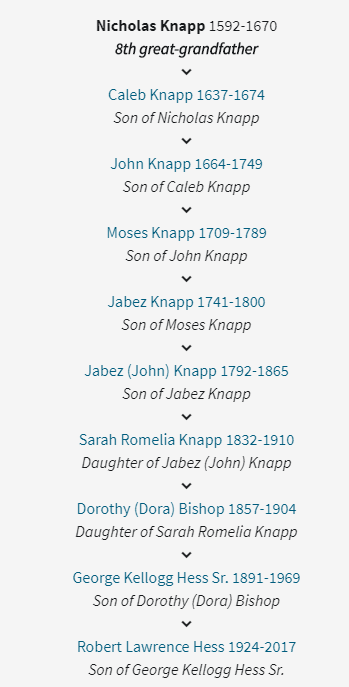
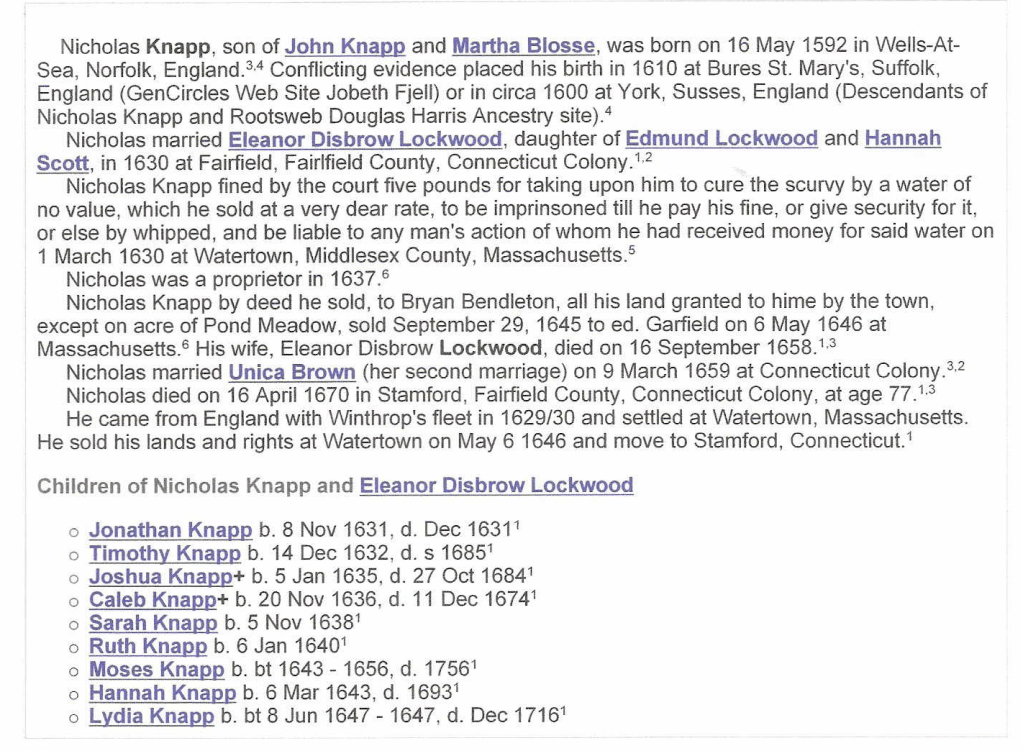
Nicholas Knapp was my 8th great grandfather. Here is how my family relates:
When Nicholas Knapp was born on May 16, 1592, in Wells-Next-To-The-Sea, Norfolk, England, his father, John, was 42 and his mother, Martha Blois (or Blosse), was 27. He married Eleanor (or Elinor) Disbrow Lockwood and they had 11 children together. He then married Unity Brown on January 9, 1659, in Stamford, Connecticut. He died on April 16, 1670, in Stamford, Connecticut, having lived a long life of 77 years, and was buried there.
In my other ancestry posts, I’ve shared that I grew up believing my heritage was predominantly German. As my genealogy research has deepened, I’ve discovered that this assumption isn’t quite accurate. In fact, a significant part of my ancestry is English, a realization that has both surprised me and opened up new avenues of learning. The more I explore my family history, the more I see how much there still is to understand.
I had to look up information about Wells-next-the-Sea where Nicholas was born. At the time of his birth, it was a small port town on the North Norfolk coast of England.
Fishing was crucial in 1592, with Wells-next-the-Sea known for crab, lobster, and herring. The port facilitated regional trade, exchanging fish and agricultural products for textiles and manufactured goods.
The town was a close-knit community with most residents involved in fishing or farming. Houses were typically built from local materials like flint and brick. Religion played a significant role, with the Anglican Church at the heart of social life.
On 6 April 1630, Nicholas (my 8th great grandfather) and wife Eleanor (my 8th great grandmother) left for America and traveled to Salem, MA.
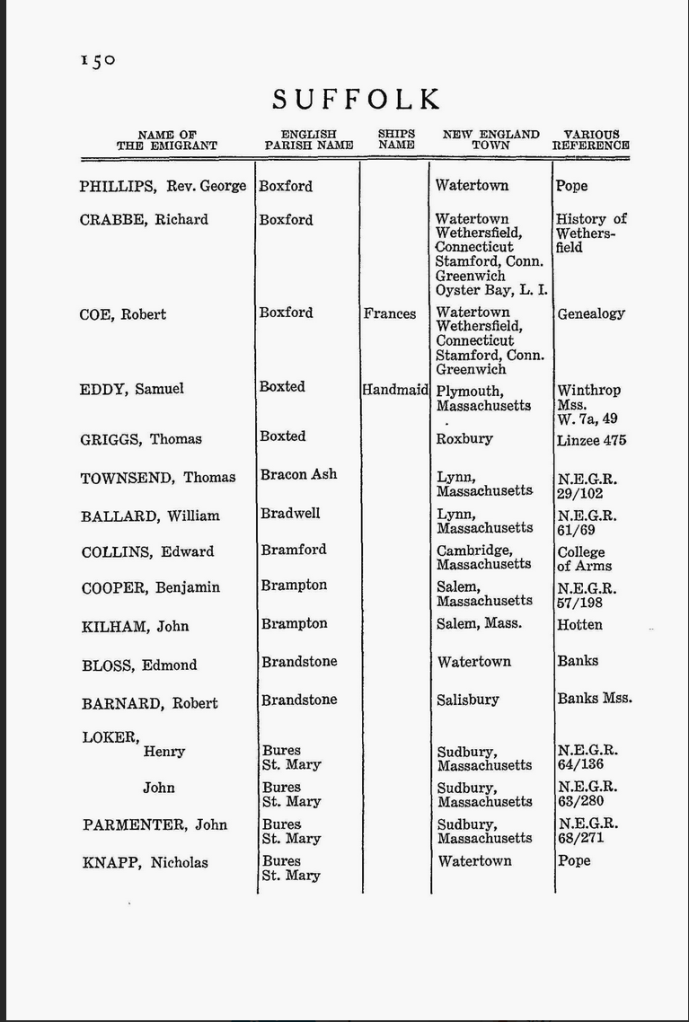
Topographical dictionary of 2885 English Emigrants to New England 1620 to 1650
There, they were a part of the Massachusetts Bay Colony. He was one of the very early settlers of Watertown, MA. and Stamford, CT. His life in the colonies was one of living and working under the strict Puritan governance associated with John Winthrop and Richard Saltonstall.
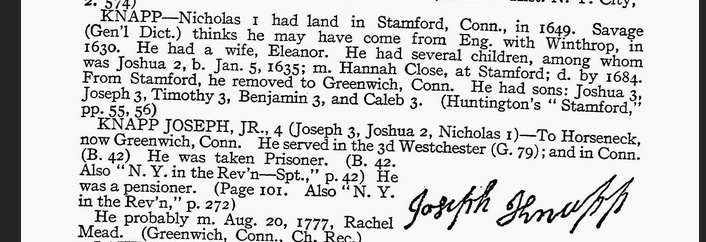
Refugees of 1776 from Long Island to Connecticut
Nicholas appears multiple times in Massachusetts Bay court records. In one record, Nicholas was fined for pretending or claiming to cure scurvy by using a local water sourcethat the court judged to have no medicinal worth. Oops!
His other legal woes included land disputes, fines, and behavioral or regulatory infractions. Specifically he engaged in, an unlicensed medical practice, misuse or promotion of land or water resources and making claims that could cause disorder or deception. As shocking as this may seem, it did not necessarily mean that he was a con man because early settlers experimented with remedies – I would love to see a movie about him!
He had enough of a standing not to be jailed but was fined.
Nicholas passed away on April 16, 1670, in Stamford, Connecticut.
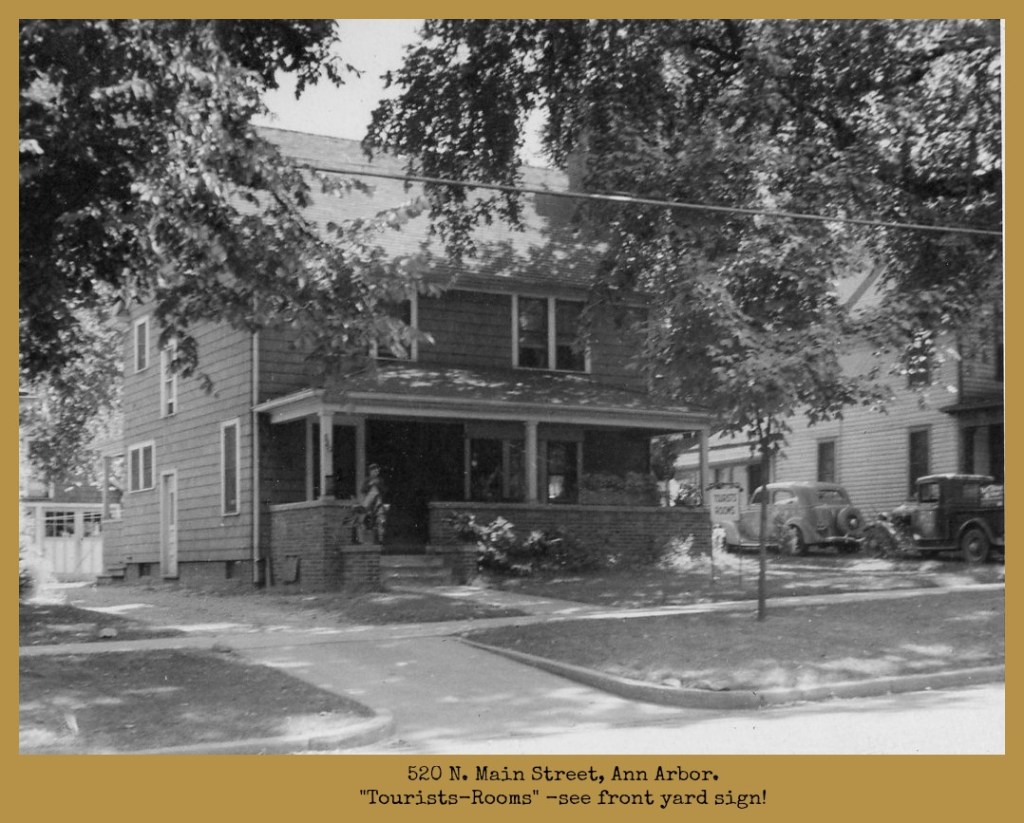
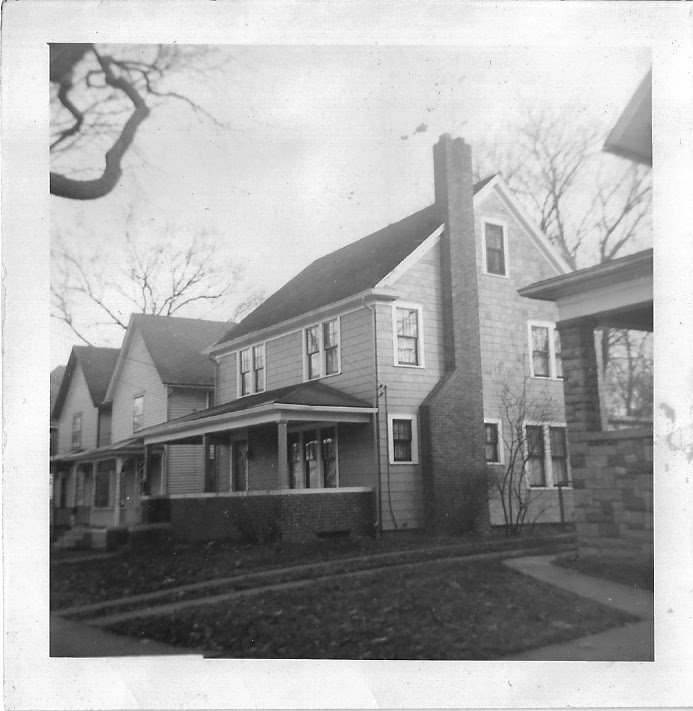
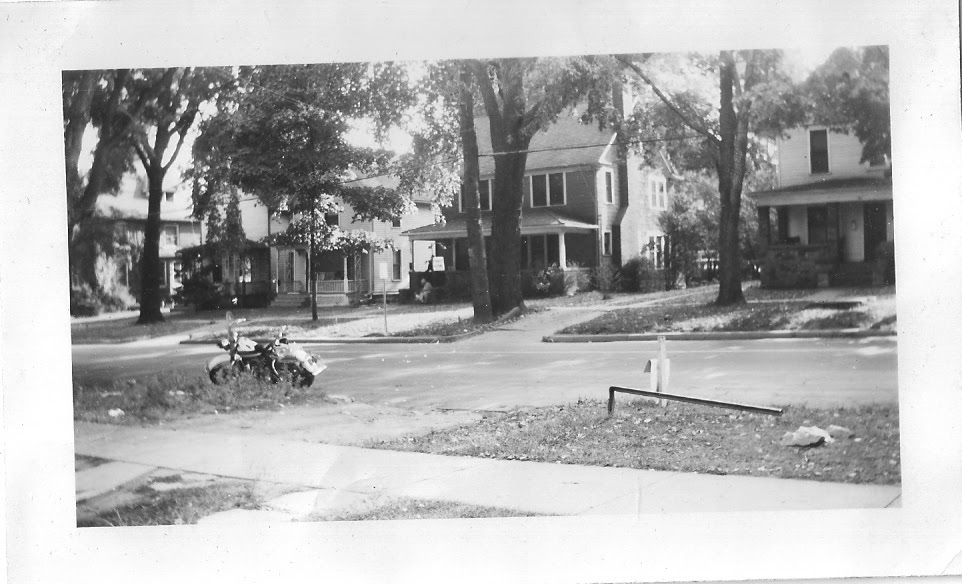
I want to make sure that the family photos of 520 North Main Street, Ann Arbor, Michigan, are preserved. This family home holds an important place in the history of Ann Arbor, as it served not only as the home of my family line but also as a Main Street tourist home. It was also and always a home where love abounded!
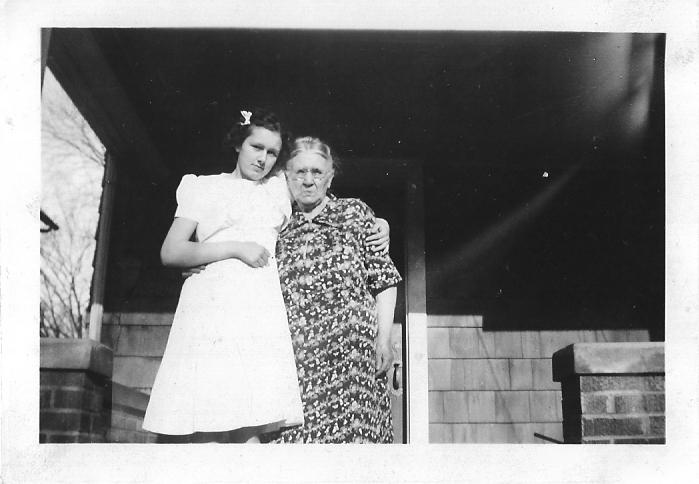
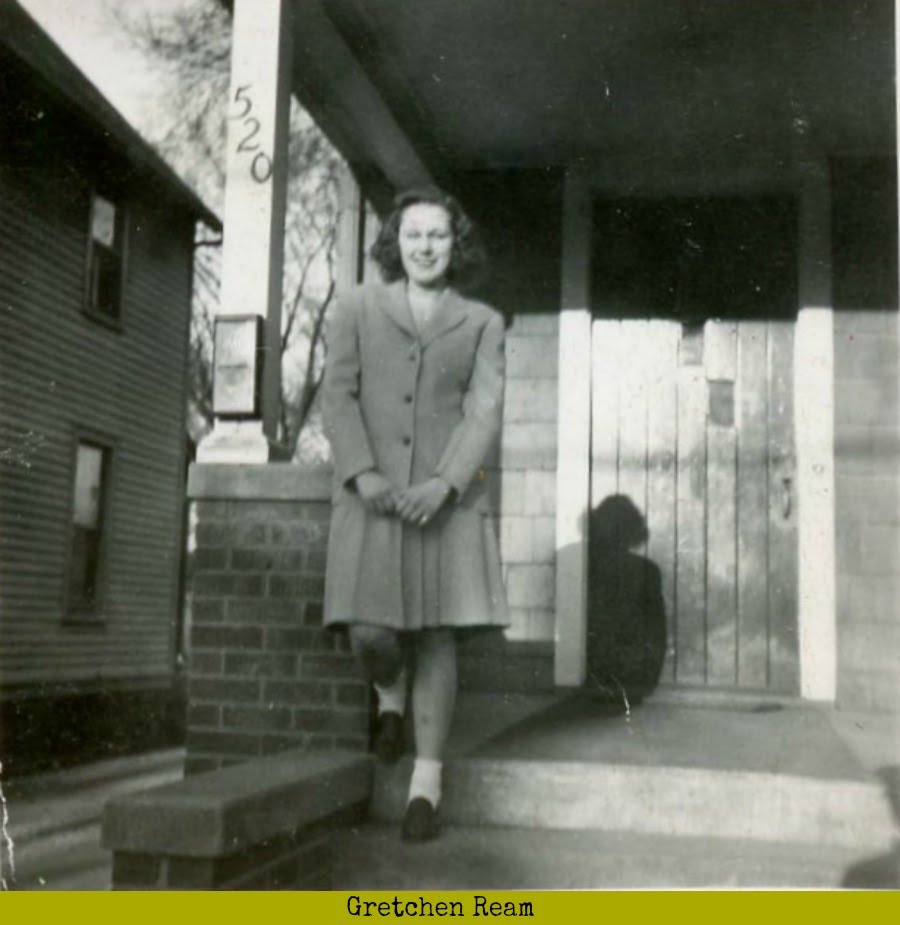
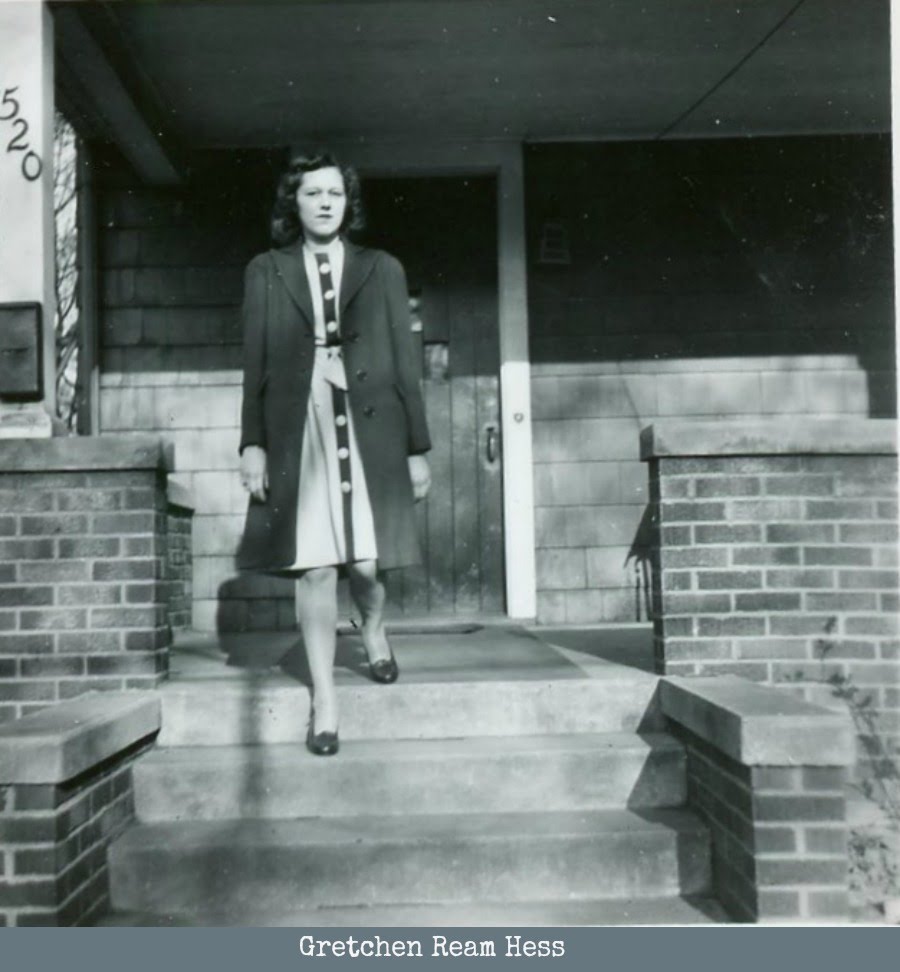
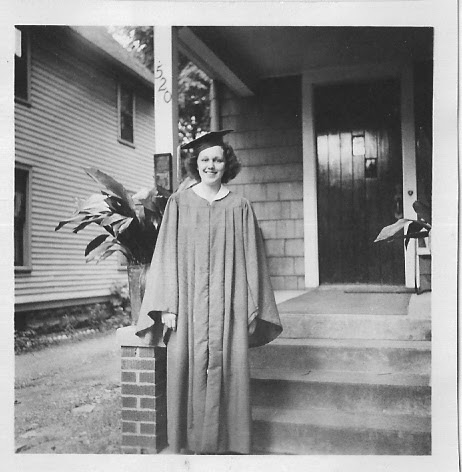
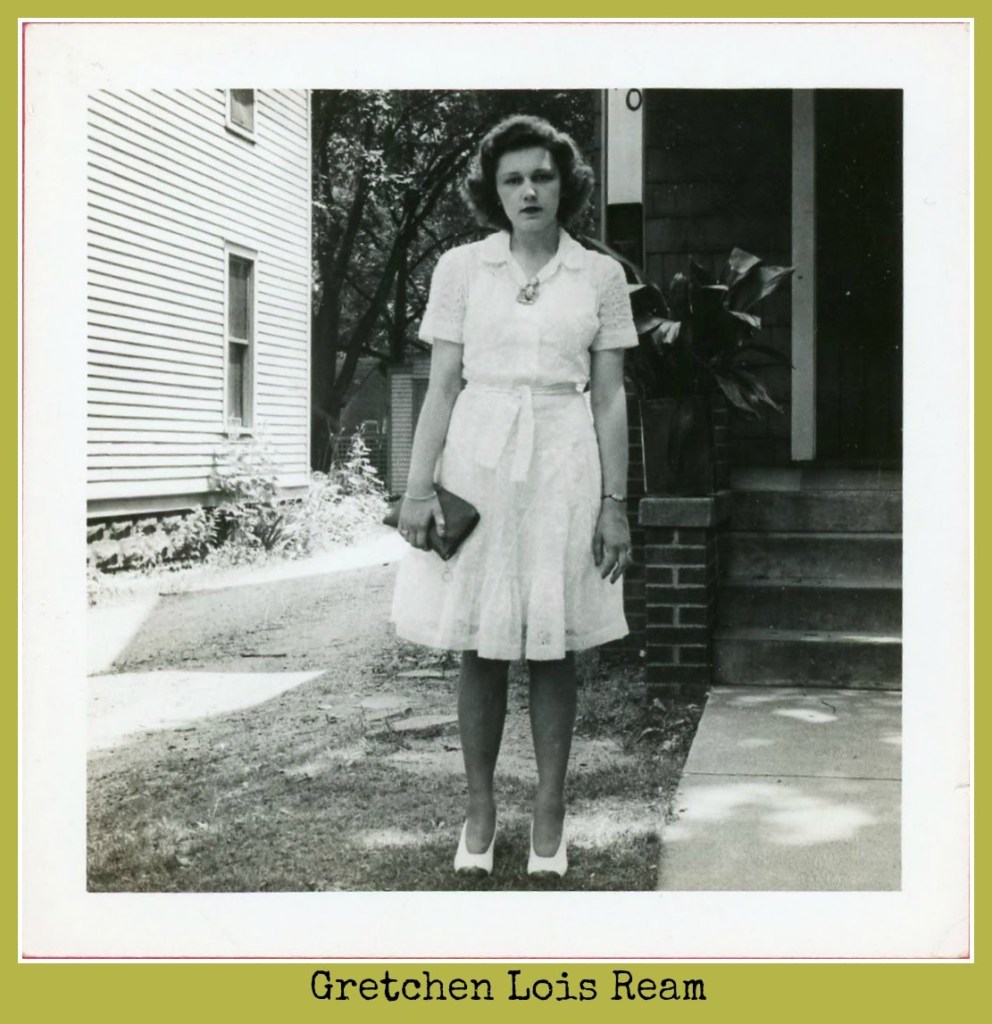
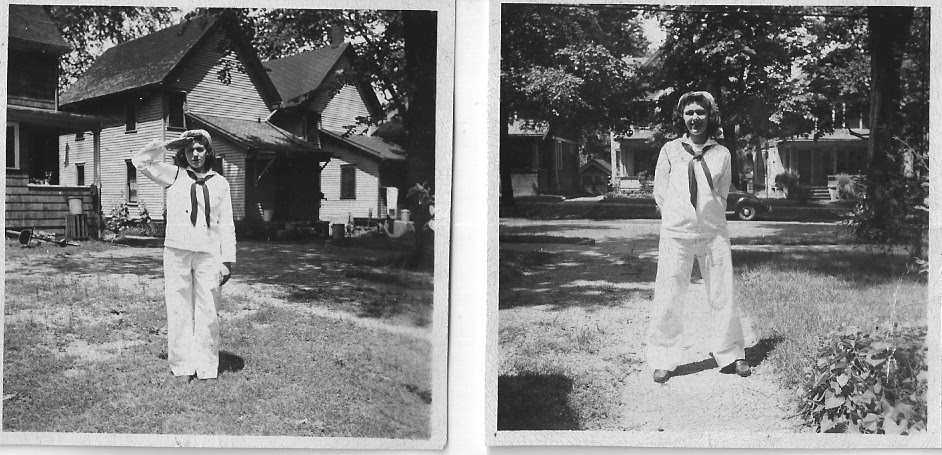
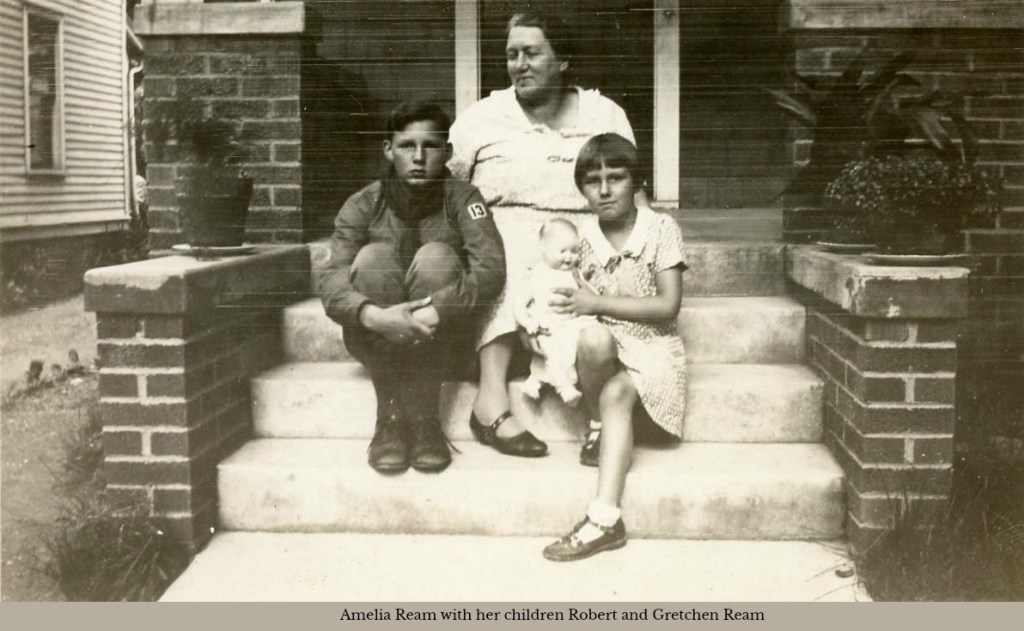
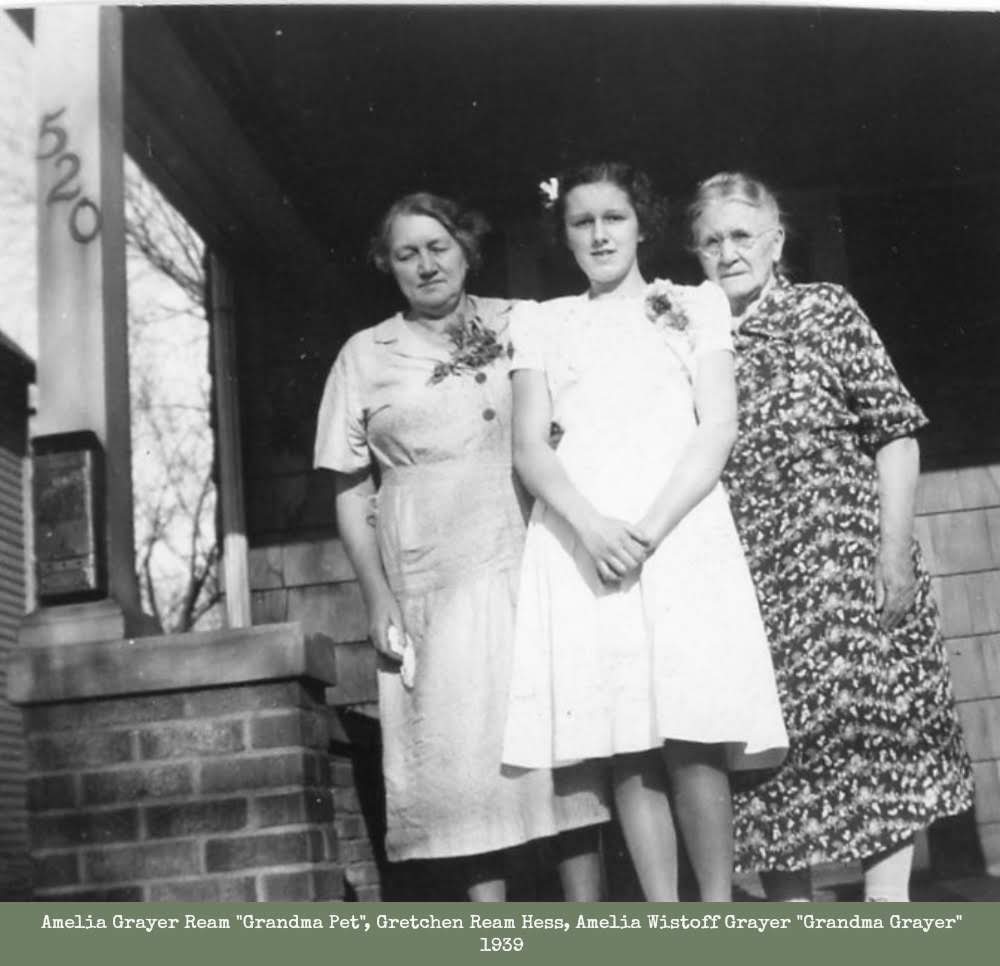
My mother Gretchen Lois Ream with her Grandmother Amelia Grayer standing on the front porch of 520 N. Main Street, Ann Arbor. April 2, 1939. Grandma Grayer went by Amelia just like her daughter. Grandma Grayer’s given name was Emilie Louise Wisthoff Grayer (1861-1965 – immigrated from Germany)My mother Gretchen Ream standing on the front porch steps of 520 N. Main Street, Ann Arbor, MI. Photo date estimated as 1939 or 1940.My mother on the front porch of 520 N. Main Street, Ann Arbor, MI c1940Gretchen Ream standing in front of 520 N. Main Street, Ann Arbor, MI in June of 1943Gretchen Lois Ream standing on the front lawn of 520 N. Main Street, Ann Arbor, MI. c1943.In the left photo, my mother is standing in the back yard of 520 N. Main Street, Ann Arbor, MI. The driveway to 520 N. Main was shared with the Klotz’s home next door to the North. It looks like the photo on the right side is of my mother standing in the front walkway to 520 N. Main Street, Ann Arbor, MI. c1943.
520 N. Main Street, Ann Arbor, was the home of my grandparents, Amelia and Grover Ream and their children Gretchen Ream (Hess) and Robert Emerson Ream. Also living there was my great grandmother Grandma Grayer.
The home was built in the mid 1920’s. As I understand it, my grandparents had lived at this address prior to that time in a smaller house. My grandfather, Grover Ream, was a highly skilled carpenter and a member of the Ann Arbor Carpenters’ Union. He played an integral role in the construction of many large buildings in Ann Arbor, including several fraternity houses on the University of Michigan campus.
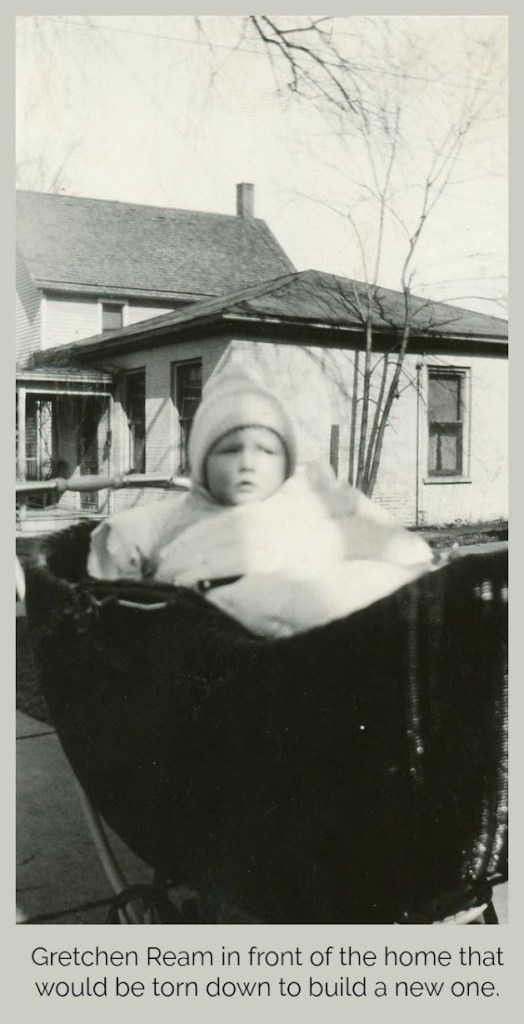
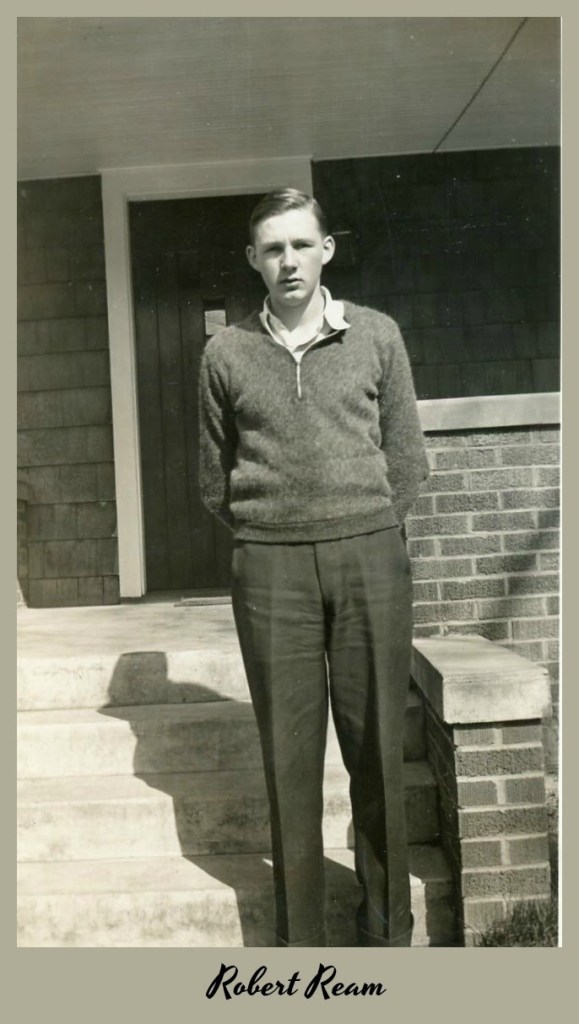
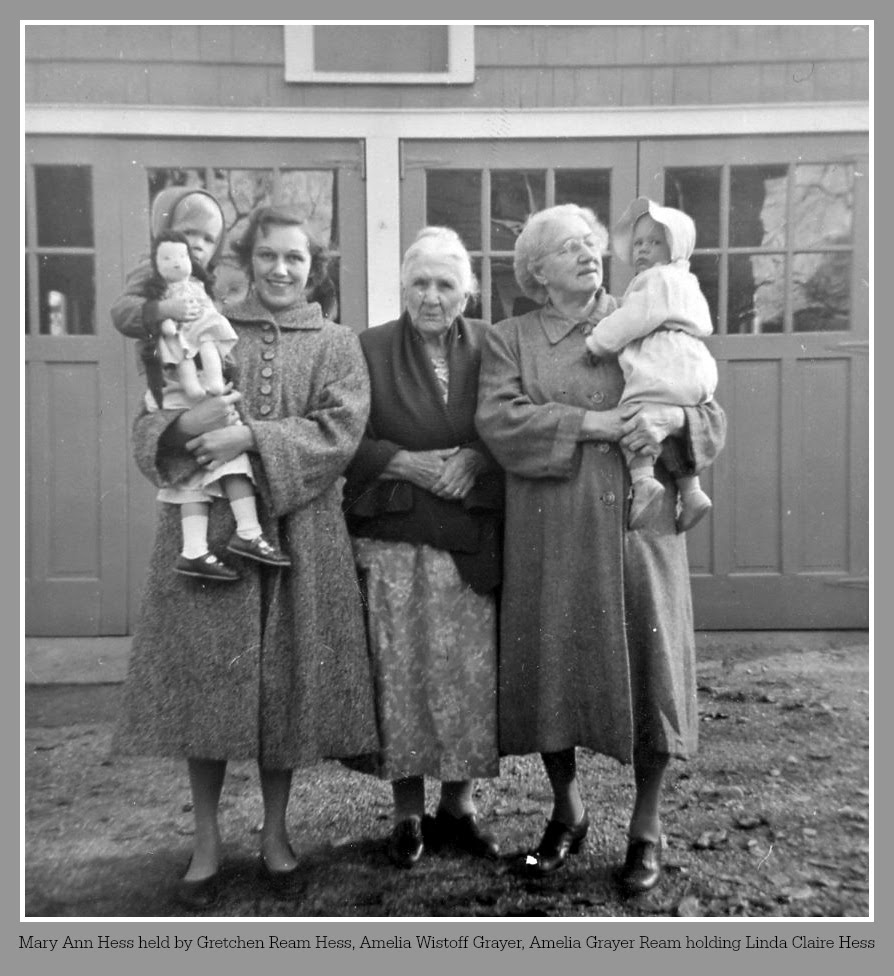
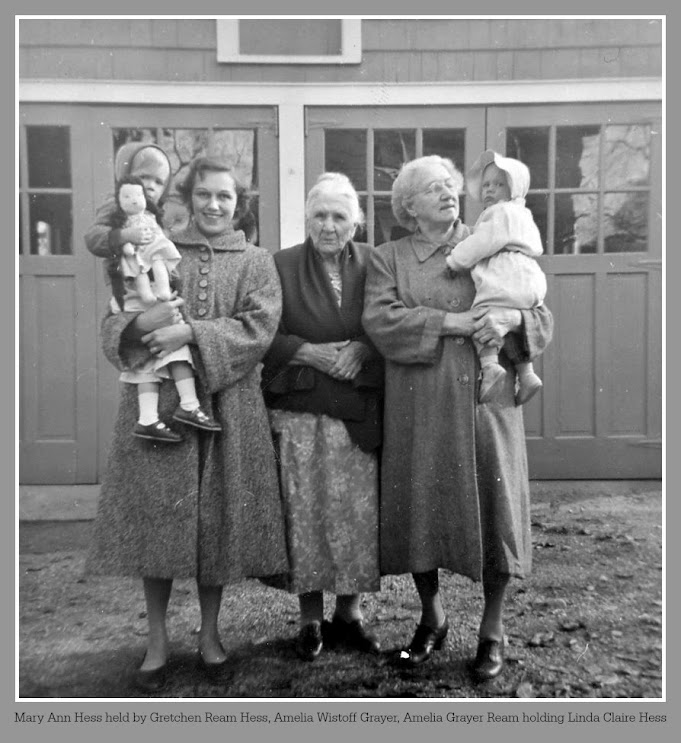
Photo of Gretchen Lois Ream as an infant. My mother dated the photo as 4 Feb 1926 on the property for 520 N. Main Street, Ann Arbor, MIMy grandmother Amelia Ream with her children on the front porch steps at 520 N. Main Street, Ann Arbor, MI. c1930.Robert Emerson Ream standing on the front steps of 520 N. Main Street, Ann Arbor, MI c19333 generations. Amelia Ream, Gretchen Ream and Amelia Grayer. 1939. On the porch of 520 N. Main Street, Ann Arbor, MI4 generations of my family! Standing in front of the large garage in back of the house at 520 N. Main Street, Ann Arbor. 1954.
It is my belief that my grandfather planned and built this larger home on their property so that my grandmother would have a means of livelihood, knowing that his own health was fragile. He died of cancer in 1930, only a few years after the new home was completed.
If “location, location, location” defines a great home, this one was ideal. It is situated just a few blocks from downtown Ann Arbor’s shopping district, the Farmers Market, and the University of Michigan’s main campus.
The house is described as a three-story home with six bedrooms and one-and-a-half baths.
As I understand it, a tourist home was different from a boarding house. It was more akin to a modern-day Airbnb, offering short-term stays. The primary clientele were traveling salesmen (yes—men, as it would have been unheard of to host female guests) and visitors to the University of Michigan.
520 N. Main Street, Ann Arbor, MIA photo of 520 N. Main Street looking across the street.
The home itself was quite large. Bedrooms on the second floor were rented out, likely for a daily fee and intended only for short-term guests. After my grandfather died, my great-grandmother and grandmother slept on the main floor, while my mother and uncle had their bedrooms on the third floor. (This is to the best of my memory and may be subject to dispute. My grandmother died just one day after my eleventh birthday.)
The house had a large, detached two-car garage with an attic space above it. The driveway was shared with the house next door on the north side, owned by our beloved friends, Madalyn and Edward Klotz.
Things I Remember About the House
The Garage My grandmother did not own or drive a car, yet there was a very cool, old-fashioned automobile stored in her garage for someone else. Think old gangster cars—Bonnie and Clyde style. On rare occasions, we were allowed to climb onto the running boards and pretend we were headed off on great adventures.
The Living Room (19′ x 13′) The living room sat just beyond the front hallway on the right as you entered the house. It had windows on two walls. Two large, side-by-side west-facing windows looked out toward the front porch, and two additional windows—one on each side of the fireplace—faced south.
The tiled fireplace was a focal point, though I don’t recall it ever being used. In one corner stood an old-fashioned television on a stand—the kind you turned on and waited for while it warmed up. It was black and white, but my grandmother placed colored film at the top and bottom of the screen so the sky could be blue and the grass green.
We often watched The Lawrence Welk Show together and danced while the Lennon Sisters performed. My grandmother had a soft, tall-backed armchair where she would hold us on her lap. There was also a sofa for guests and a freestanding corner shelf filled with collectible figurines—ones we were actually allowed to play with.
The Kitchen (13′ x 8′) This is where the real magic happened. Grandma was a wonderful cook, and when we visited, she took our orders like a short-order chef. I loved her French fries, cooked in a deep fryer built right into the stove top. My sisters loved the made spatzen with a press.
The back door was off the kitchen and opened onto a generously sized porch with steps leading down to the driveway. We were allowed to sit on those steps and eat watermelon slices—and since all watermelons had seeds back then, we were also allowed to spit them into the dirt driveway.
A pantry in the kitchen held the joke jar—a Mason jar filled with riddles Grandma cut out of the newspaper. Two side-by-side windows faced north toward the Klotz’s house.
The Hallway The front hallway featured a wide wooden staircase with about twelve steps leading to a landing, where the stairs then turned and continued upward for another half flight. Halfway up was a lookout window.
The only telephone in the house sat on a small table in the hallway, paired with a simple straight-back chair. The front door was distinctive, with three small windowpanes arranged diagonally. A radiator stood near the door, as if to greet you with warmth as soon as you entered.
The Dining Room (14′ x 12′) An arched opening connected the living room and dining room. Two standard-sized doors led from the dining room—one to Grandma’s bedroom and one to the kitchen. Three side-by-side south-facing windows filled the room with light.
A highboy held a candy dish on top. Grandma especially liked Neapolitan coconut candies from the dime store candy counter. Another tall cabinet displayed interesting curios, and a wall shelf held a collection of miniature pitchers.
We could all fit around the dining room table, though at one point I remember a daybed being squeezed into the space as well.
Grandma’s Bedroom (12′ x 10′) Grandma’s bedroom held what I believe was a double bed and a nightstand. One window faced the garage, with a radiator beneath it, and another window was positioned above the bed.
When we spent the night, we were allowed to sleep beside her. Before falling asleep, we always listened as she recited the 23rd Psalm.
The Main-Floor Bathroom This was a very small half bath—just a toilet and a pedestal sink. The floor was a distinctive black-and-white tile. A window sat above another radiator.
Despite having only a sink, this bathroom was used for bathing. Grandma went weekly to a hairdresser for shampooing and styling, and at home I learned how to bathe using a sink full of sudsy water and a washcloth. I think we called them “stand-up showers.”
The Basement Because my grandmother lost much of her mobility due to a very aggressive form of arthritis, we rarely went up or down the stairs. When she did climb stairs, she had to use a crawling motion, placing her hands on the steps above her.
She must have lived with constant pain, yet she was always sweet and full of laughter.
The basement contained a large mangler and a coal storage area.
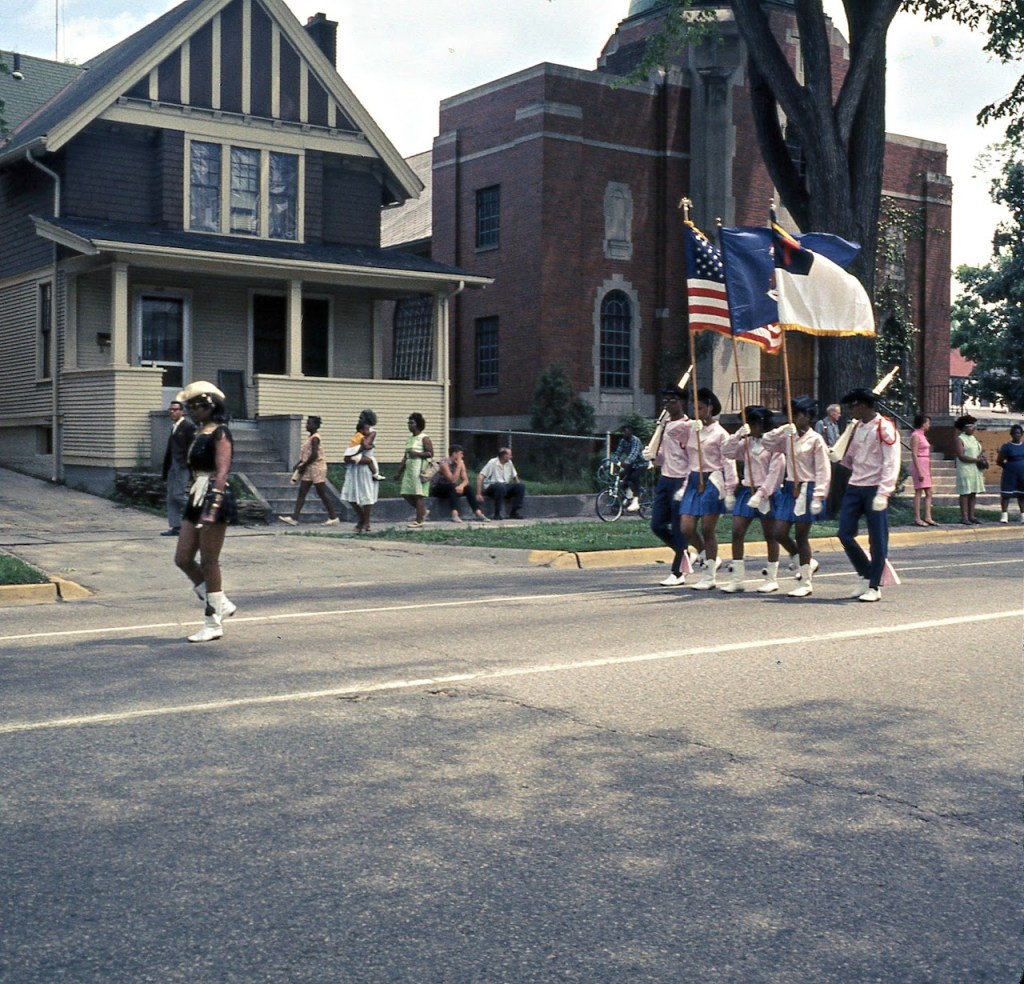
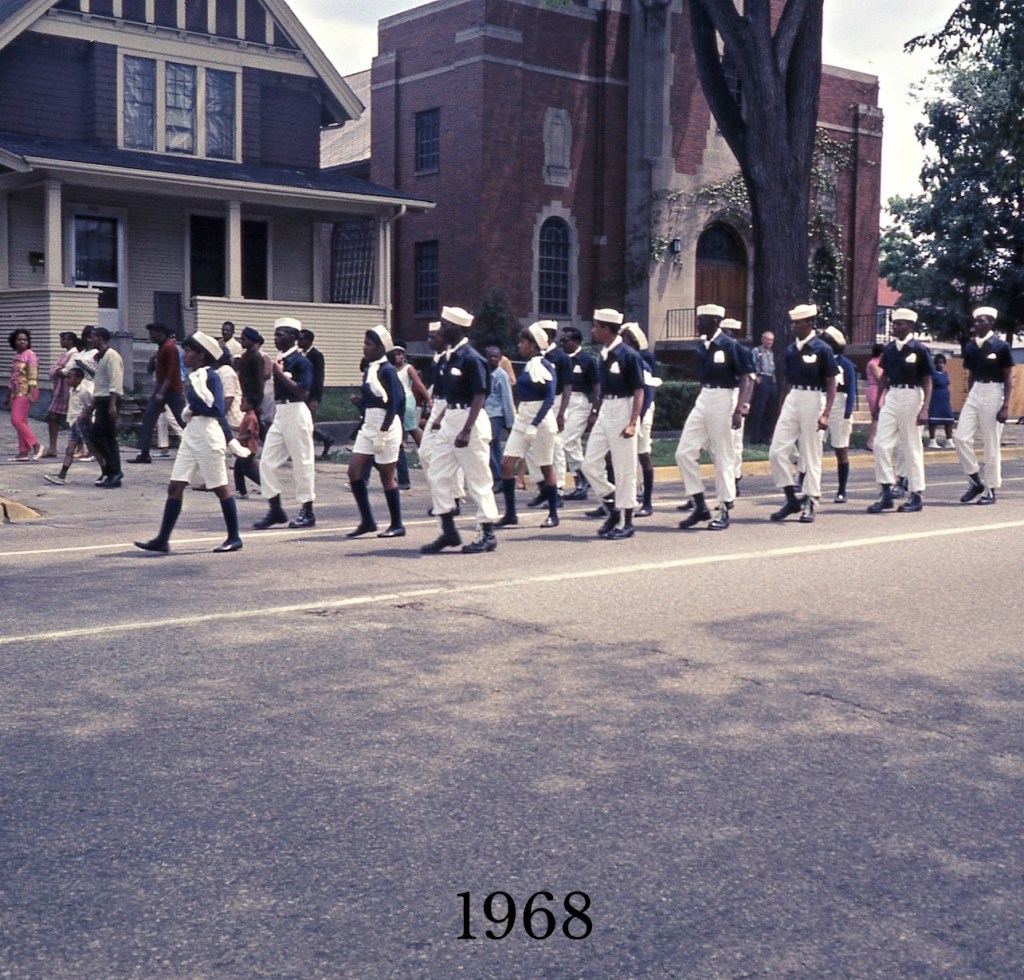
The Front Porch These were the best seats in Ann Arbor for parades traveling south down North Main Street toward downtown. The porch was roomy and lined with wooden rocking chairs.
It was also the perfect place for Grandma to serve one of our favorite treats—purple cows: floats made with purple soda and vanilla ice cream. I was warned more than once that if I rocked too wildly, I would tip over.
I did.
Parades on North Main Street, Ann Arbor 1967parade on North Main Street, Ann Arbor, MI 1968
The Second and Third Floors The second floor held three bedrooms and one full bath, with bedrooms measuring approximately 14′ x 11′. The third floor had two bedrooms, each about 14′ x 13′. The second floor was for the tourist rooms and the third floor was the location for my mother’s and uncle’s bedrooms.
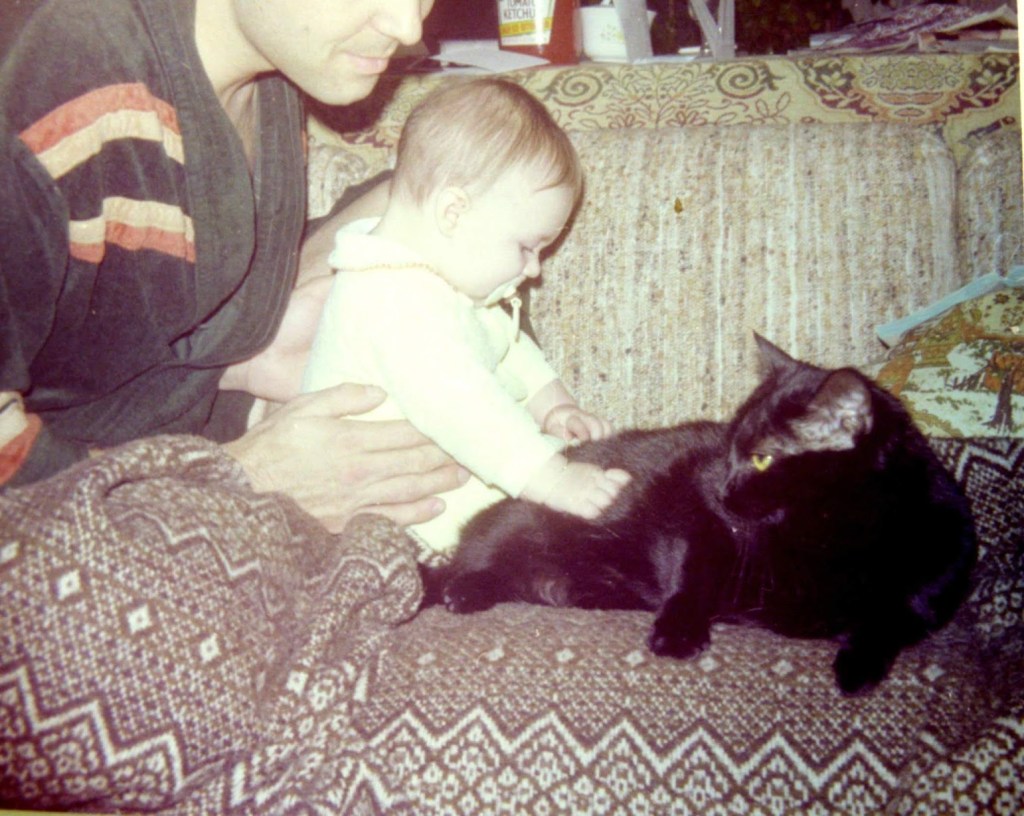
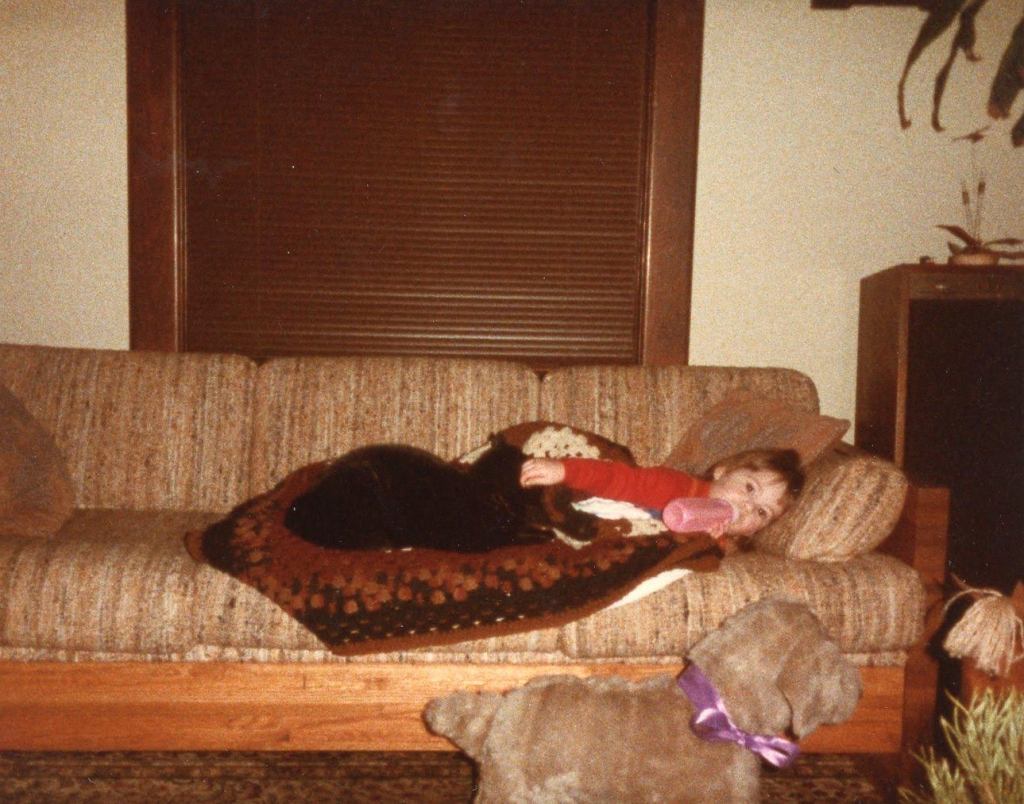
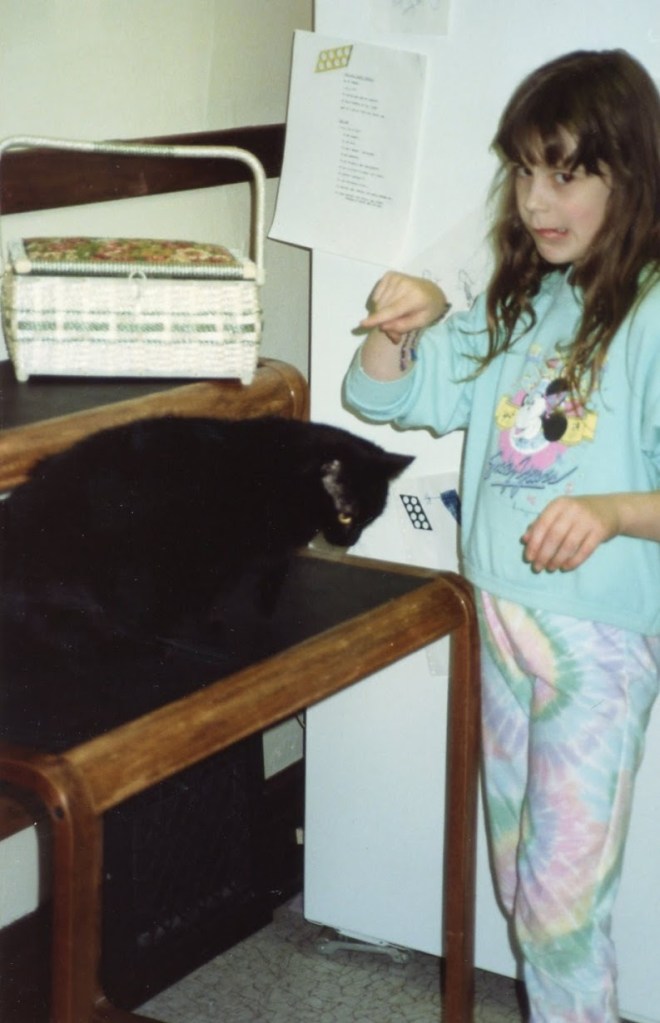
I promised my father that I would continue to tell the stories of our family. One way I have tried to keep that promise is by preserving and sharing our family stories and legacy. I also simply enjoy looking back and remembering. In this blog, I reflect on some of the beloved pets who were part of our lives.
By exploring the animals our family has cared for, we are able to share happy and tender memories, funny anecdotes, and heartwarming moments. Each of these pets had a unique personality, and each became a meaningful part of our family’s story.
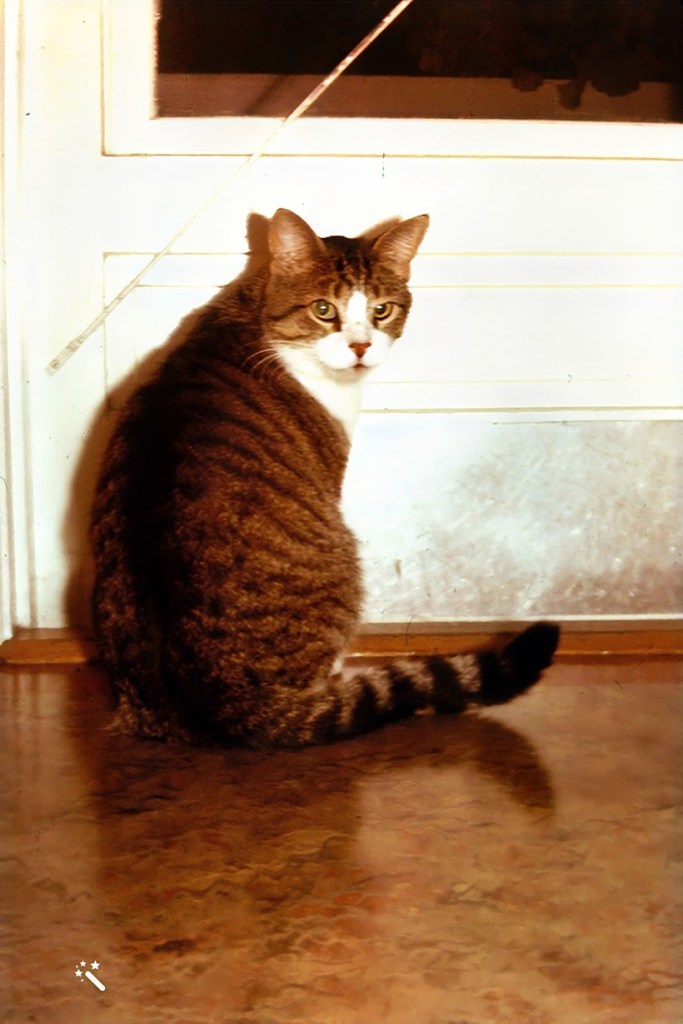
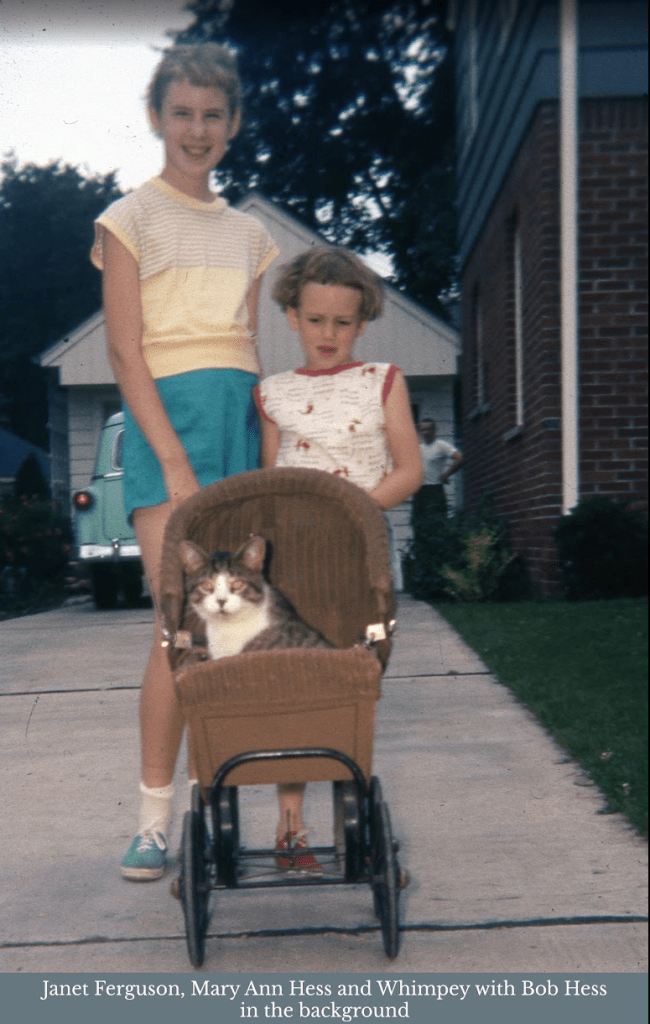
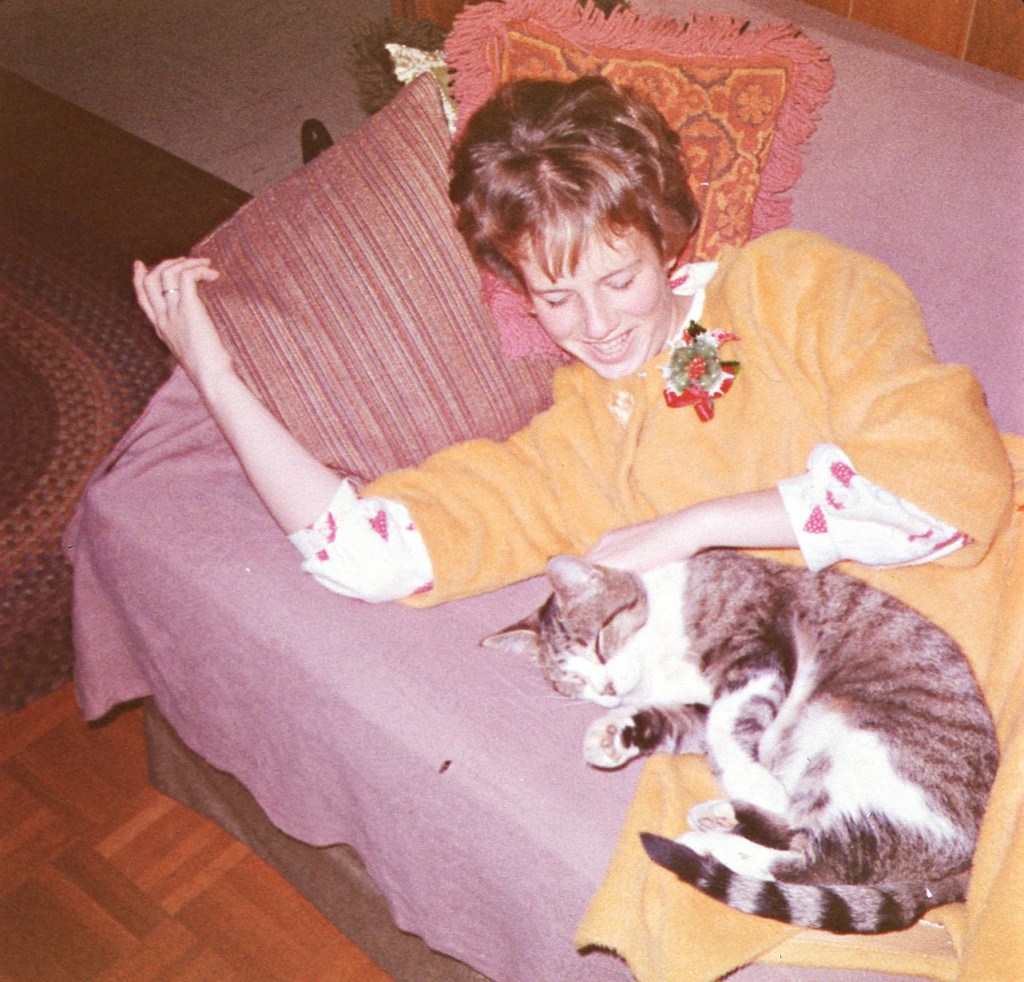
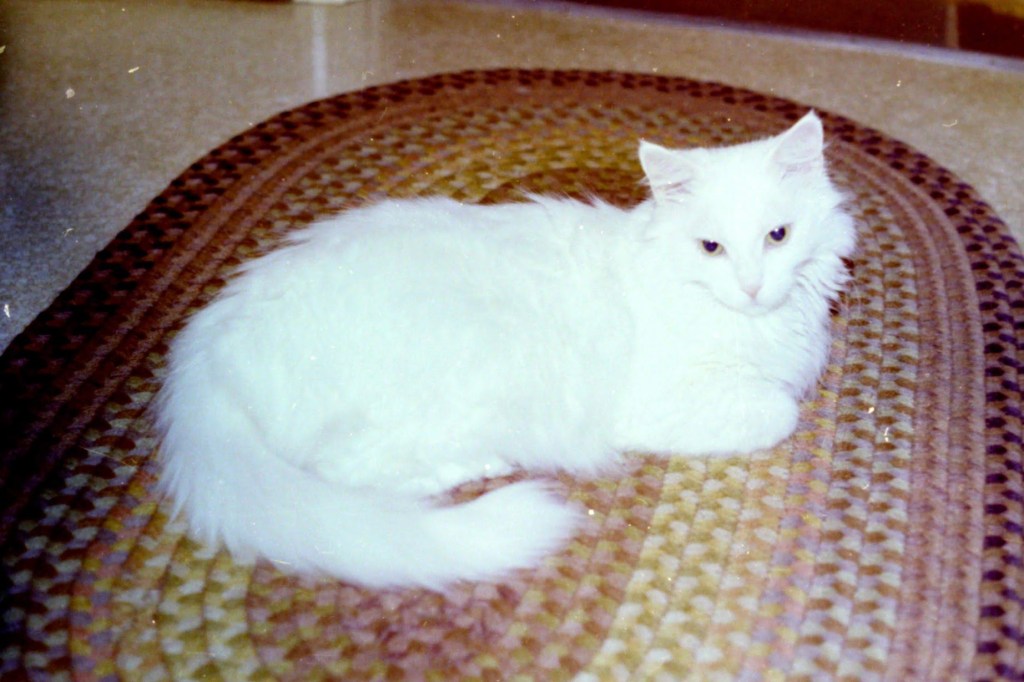
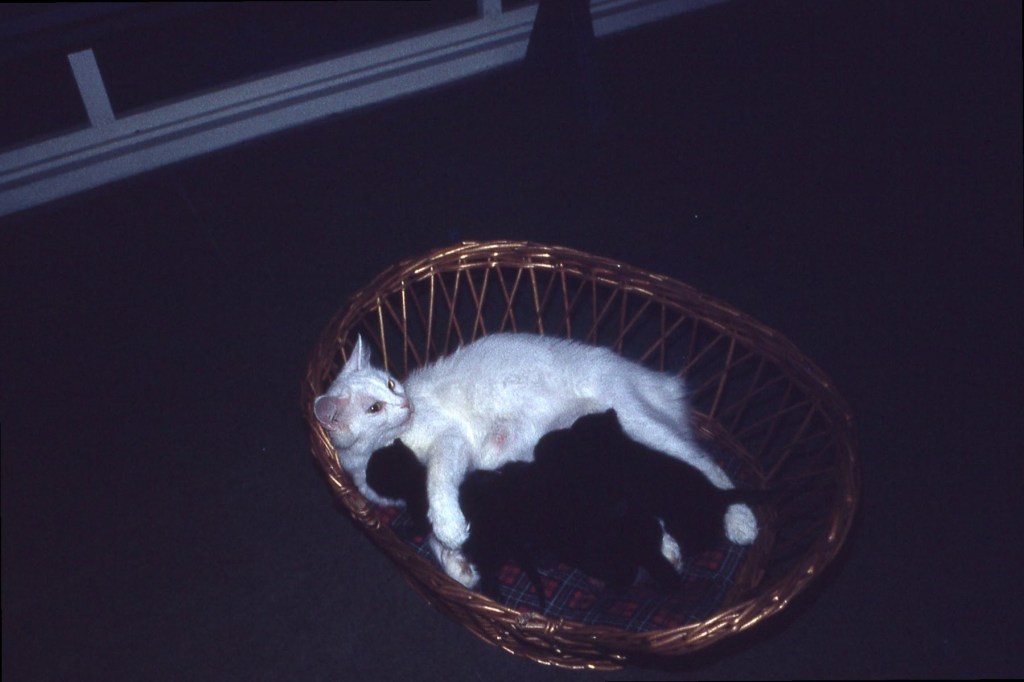
Whimpy was our first cat. This photo must have been taken at the back door of 1517 Harbrooke. Whimpy was free to roam outside. Whimpy in an antique buggy at 1517 Harbrooke, Ann Arbor, MIA beautiful photo of Mary Ann with Whimpy on the sofa at 2629 Danbury Lane.Mutti was our second family cat. Her name was fitting because she was a mother to a quite a few kittens. Her kittens were either all black or all white.Mutti with some of her kittens.
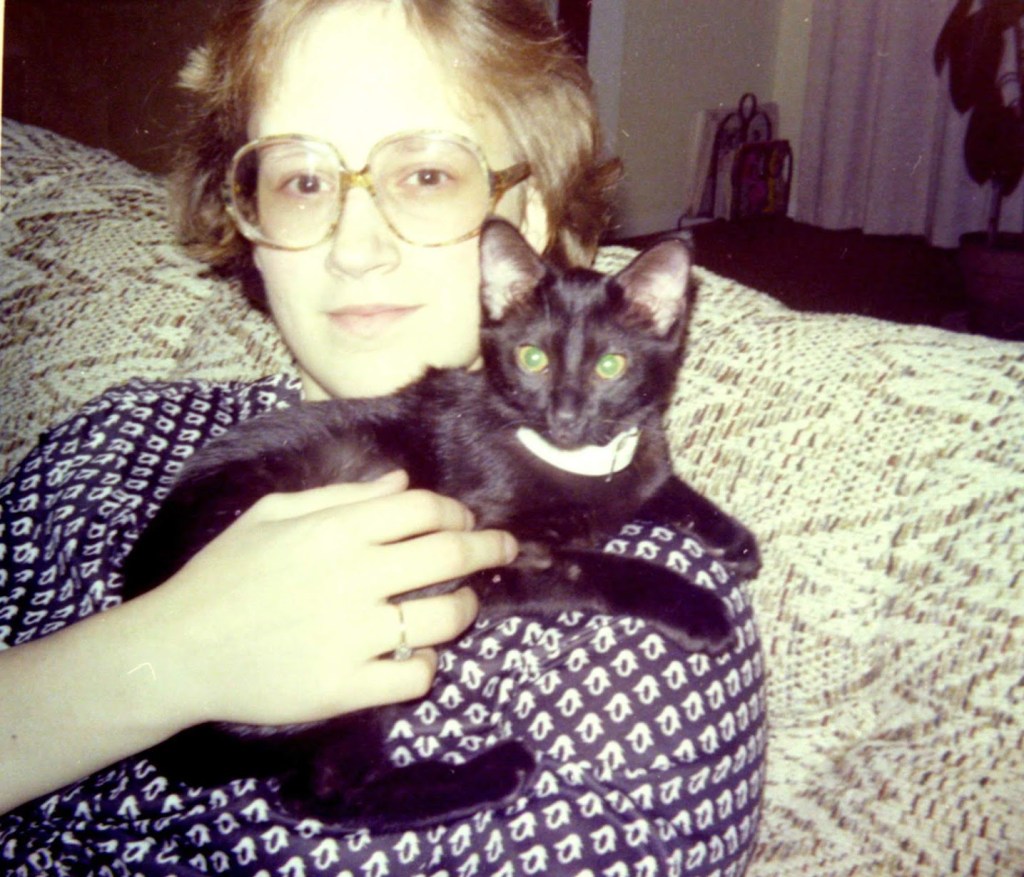
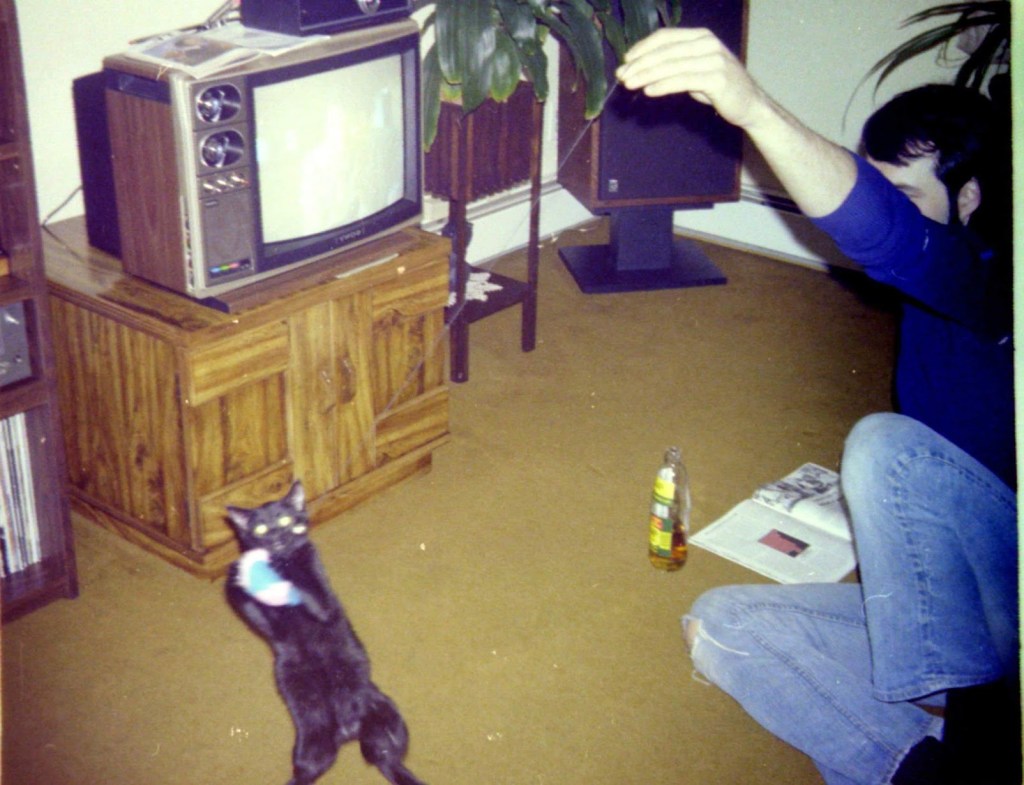
The Groshans got a black kitty and named her Valkyrie. This photo looks was taken at our apartment on Bemidji in Ann Arbor.
Check out the fun kitty toy and our old TV set! I’m not even sure what type of beverage Jack in enjoying?!
Amy pets Valkyrie – photo approx. Nov 1981
Amy, Valkyrie and a bottle on the sofa. The stuffed animal dog was a gift from Grandma and Grandpa. Later, this stuffed animal would no longer stand up after he was used as a sort of riding toy. LOL
Ruh-Roh! Valkyrie is on the desk. Photo taken at 609 S. 1st Street.
My nephew’s kitten, Mr. Whiskers, managed to break a one-of-a-kind banana lamp. While I can’t quite remember what the lamp looked like, I’ve tried to picture it in my mind. One thing I can say for certain is that as a shopper, I’ve never come across a banana lamp in any store. Of course, I felt sad that my nephew’s unique lamp was broken. But, as my sister recounted the tale of the broken banana lamp, I couldn’t help but feel a twinge of envy —I longed for a lamp that was equally fun and unique. The image of that quirky banana lamp lingered in my mind. This past weekend, while browsing a garage sale, I stumbled upon a lamp shaped like a coconut tree. It was both peculiar and delightful. While I had never seen a banana lamp in stores, I also hadn’t encountered a coconut tree lamp before. When I inquired about the price, the owner estimated $5.00. At that moment, I knew this charming lamp was destined to adorn the dresser in my bedroom. The owner then shared the story behind the lamp. It had been a gift from her parents—something she had appreciated but wasn’t particularly attached to. She felt a bit of guilt parting with it and hoped it would find a home where it would be truly cherished. When I told her it was love at first sight for me, her face lit up with a radiant smile. She thanked me warmly, declaring that I was the perfect person for the coconut lamp.
I’m part of a Facebook group dedicated to sharing photos of unique thrift store finds. I posted a picture of the coconut lamp, and almost immediately, members began to chime in, confirming that it was indeed a rare treasure of sorts. One person even sent me a link to a website: Kina Ree. To my surprise, the site identified my lamp as an Indonesian piece with a lovely description—and noted that it’s currently out of stock and unavailable for purchase.
Here is my new-to-me coconut lamp on my dresser. I purchased it on 3 Aug 2024 at a garage sale in Ann Arbor, MI
Not long ago, I read a book on Hygge, the Danish art of cultivating comfort and coziness in our homes. The book highlighted the importance of creating an inviting atmosphere through various light sources, with a particular focus on candlelight. Inspired by this, I expanded the concept to include other creative lighting options that add a personal touch to our living spaces. Ultimately, I realized that Hygge is not just about the light itself but about setting a mood of warmth and contentment. And…who wouldn’t feel content with the soft glow of a banana lamp or a coconut tree lamp?
I began to wonder if the lamps in our lives each have a story to tell. Pause for a moment and think about the lamps you’ve chosen and those from your past that you especially admired. In this blog, I’ve included a few photos from my collection of scanned family images, each featuring a lamp that holds a special place in our hearts. I hope you enjoy these glimpses into our illuminated memories…
There are not many photos that feature lamps in our family photo collection. I suppose that is because the pictures were taken to capture the people and the moment and the lamps were just a part of the background so would not have been noticed. Also, because photography was usually done during the best light situations, we simply do not have many photos of lamps being used.
I hope this blog has been illuminating…(couldn’t help myself…ha, ha, ha.)
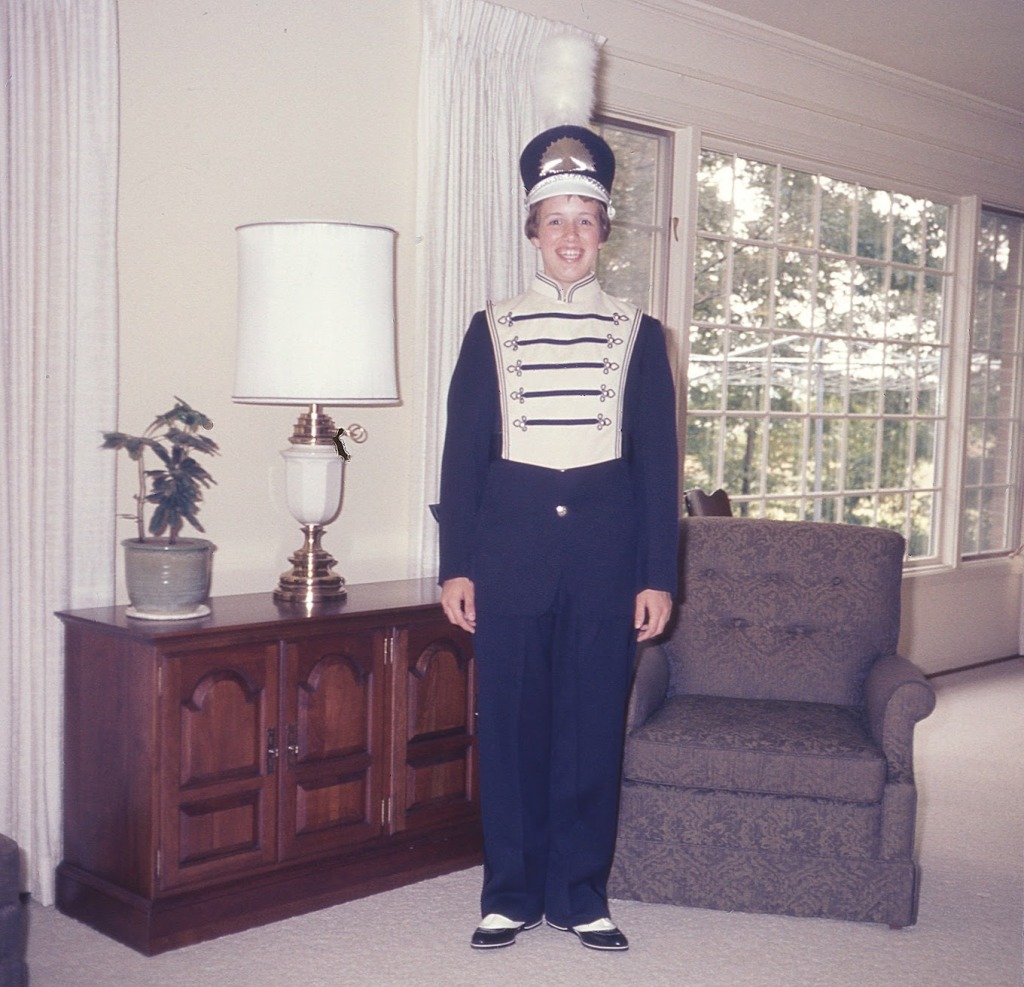
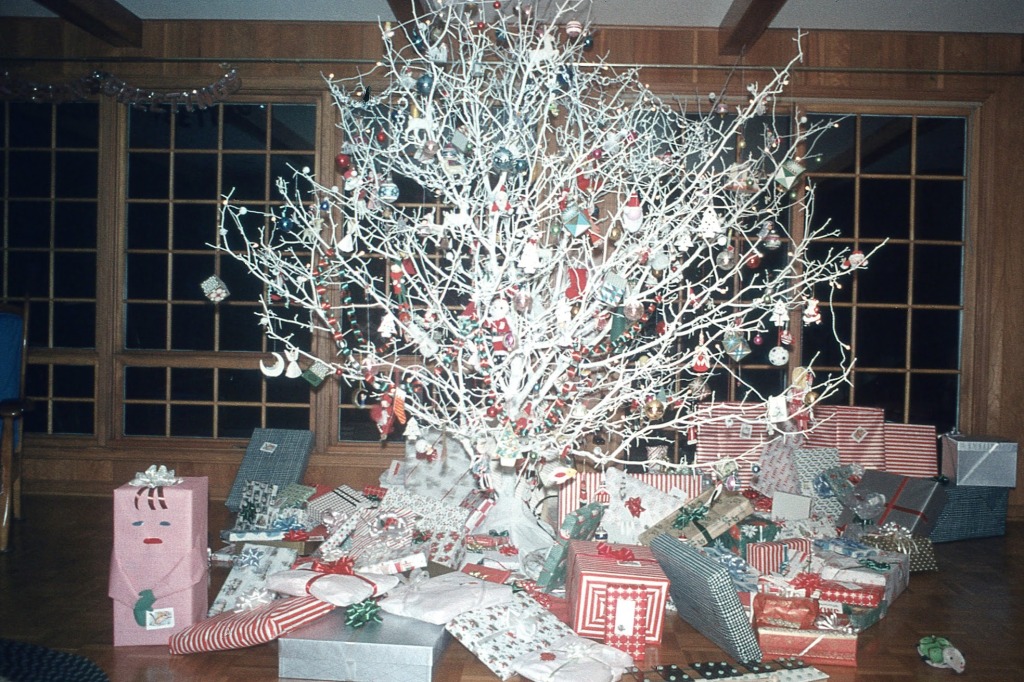
Kathryn c1960 in the living room of 1517 Harbrooke, AA, MI. Mom loved to dress us with a nautical theme…I like the anchor on the collar of Kathryn’s dress. And is that a hairbrush in her hand? Kathryn is perfectly posed in this photo c1965 at 2629 Danbury Lane, AA. Look at this dress! Wow!We shared so much time as a family around the kitchen table at 2629 Danbury Lane. I selected this photo because it shows the table light fixture. Mary Ann is hard at work dishing up ice cream for Kathryn’s cake. I was possibly, maybe, certainly a little jealous of this doll cake. LOL. Check out the telephone on the corner of the kitchen counter!Mary Ann is in the living room of 2629 Danbury Lane, AA in her band uniform. The lamp on the table was with the family for a long time. Look through the window to see the spinning clothes line used for drying clothing outside. Photo c1968.Our family used Hawthorne trees at Christmas. My father would spray paint them white. My mother had to work hard to find white lights with white cords. The visual of these trees was amazing. Photo c1970I love this photo of our front door entry at 2629 Danbury Lane, AA. The overhead light resembles candles and the light on the dresser was in our family for years. Photo c1975This is a photo of my desk in my bedroom at 2629 Danbury Lane. I obviously loved Winnie the Pooh. The desk light was a rather new novelty at that time called a tensor lamp. Photo c1976Here is the iconic lamp of the Groshans. Jack and I got this as newlyweds and the lamp stayed in the family and moved to different homes over the decades. It even got as far as Seattle! This photo was taken at our duplex on Bemidji, AA. Photo c1979.I couldn’t find a photo of the darling lamp that my father made with an old iron train engine toy. The lamp pictured here was in the family for many, many years. Photo c1987.My mother’s dresser at 2629 Danbury Lane held this sweet mirror. Photo c1989.This is a photo of my father in his beautiful study. The lamp stayed in the family for decades. This is c1990.This c1992 photo is of Bones and my father sitting at my sister’s home. I love the light fixture that they used over the kitchen table. The gas light in the back yard of 2629 Danbury Lane c1998.The gas light in the front entry of 2629 Danbury Lane. I am not sure of the year for this photo. I am estimating 1990.
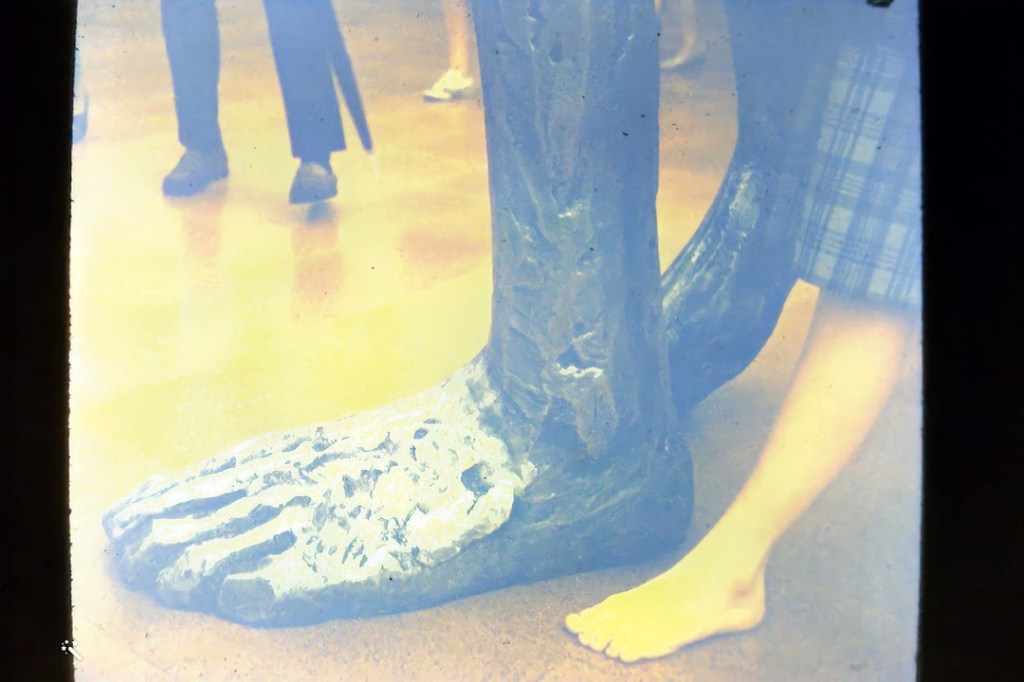
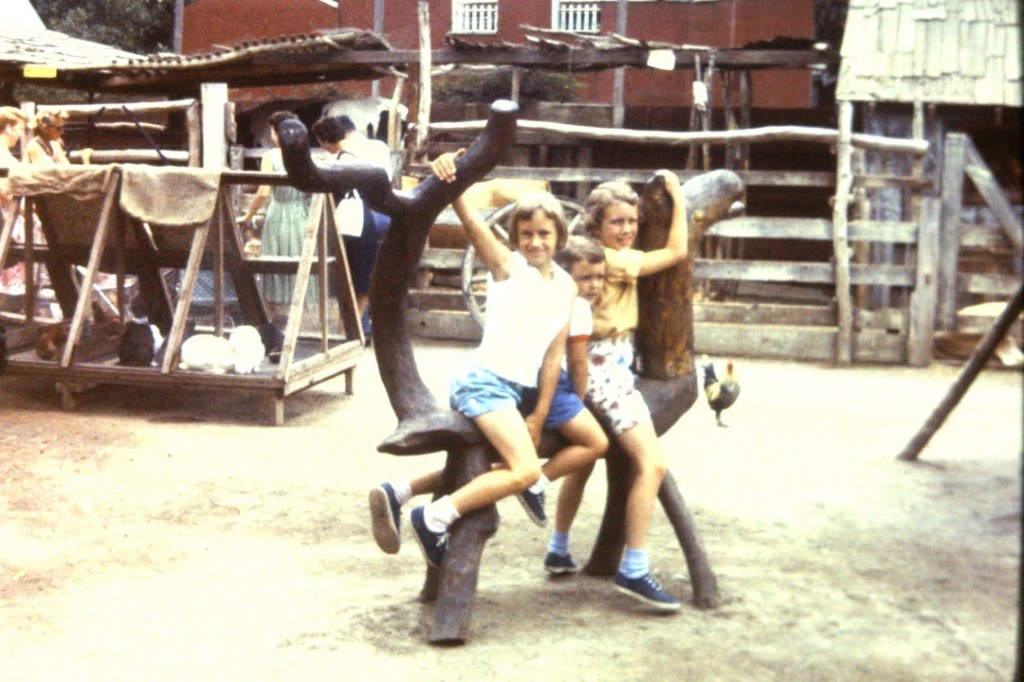
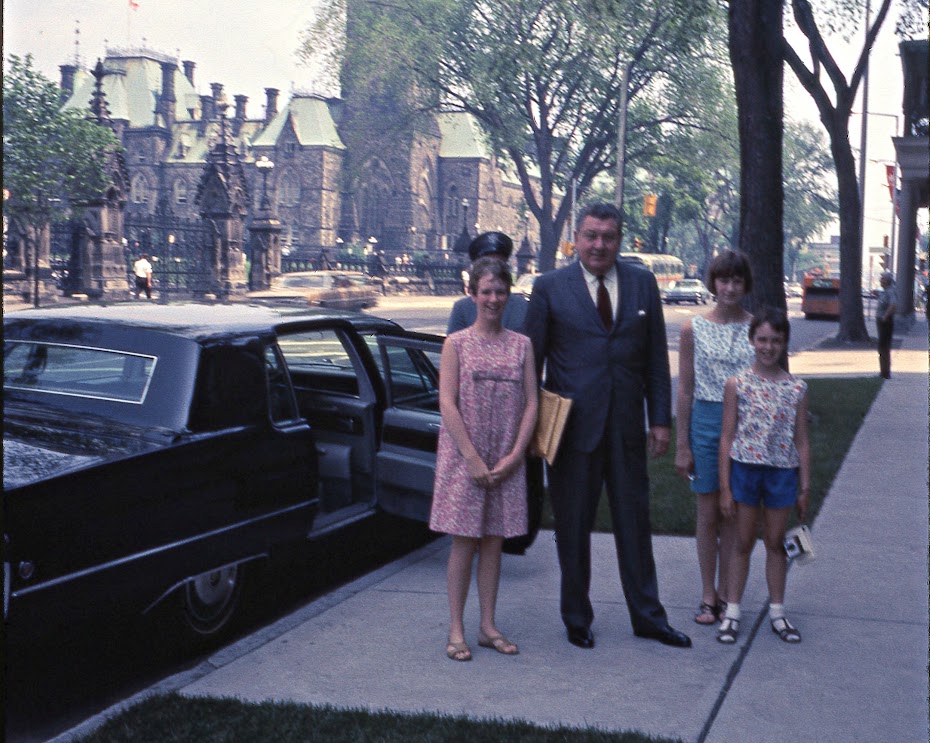
I think this photo was taken at the 1967 World Expo in in Montréal, Canada,
I remember being a little girl sitting on the swing set in my backyard on Harbrooke Ave. in Ann Arbor. As I slowly pushed myself back and forth on the swing, I looked down in wonder and delight at my shoes. They were sandals with a giant flower decoration and they are still possibly my favorite shoes ever…
I was also greatly influenced to love shoes by the story of Cinderella- I always enjoy these quotes:
“Cinderella is proof that a new pair of shoes can change your life.”
“Give a girl the right shoes, and she can conquer the world. Just look at Cinderella!”
“Cinderella never asked for a prince. She asked for a night off and a dress. And maybe, just maybe, a great pair of shoes.”
The history of shoes has certainly changed over the course of my 70 years on the planet. This blog is just a fun way to celebrate some of the shoes we wore.
So…get ready to tap your foot and read a fun blog while walking down memory lane with me.
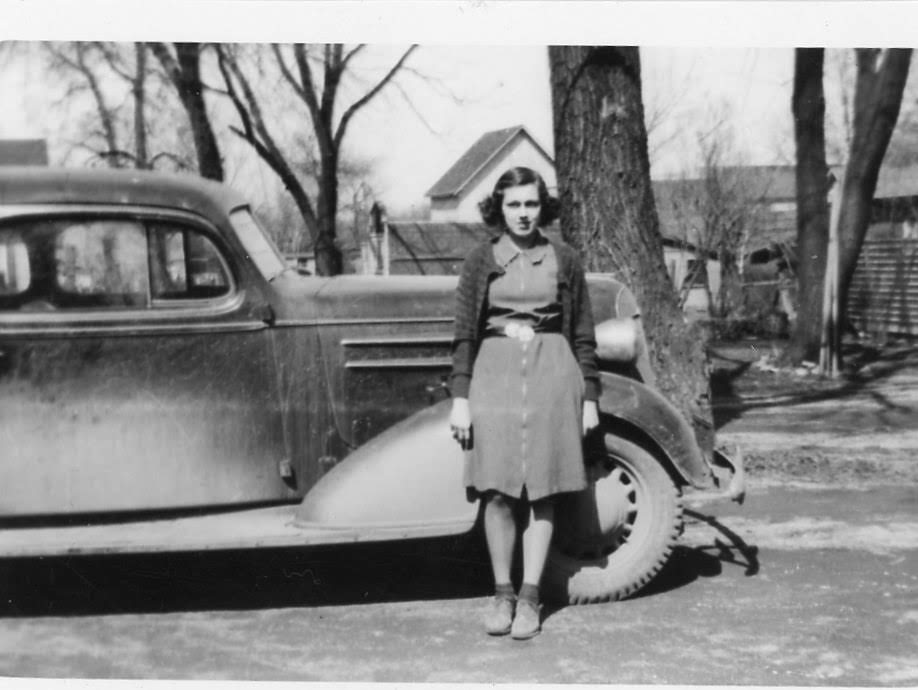
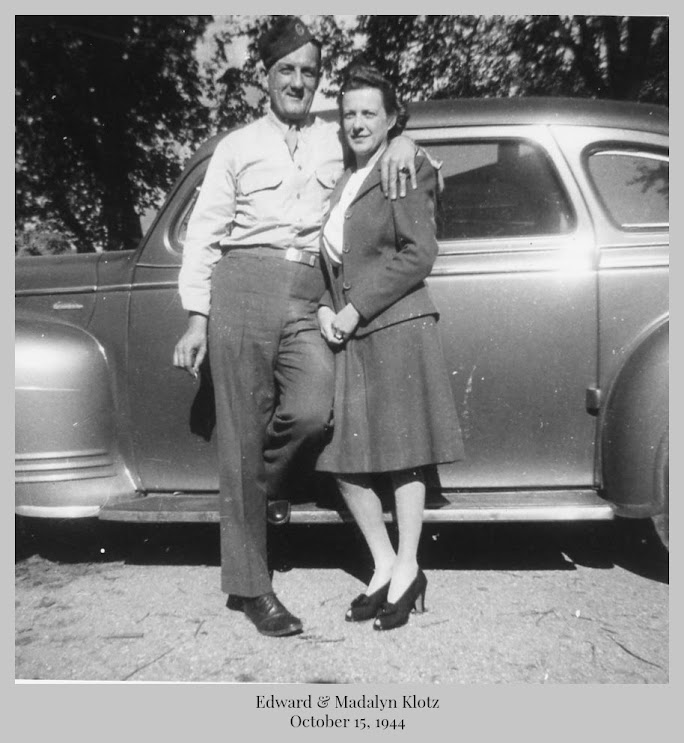
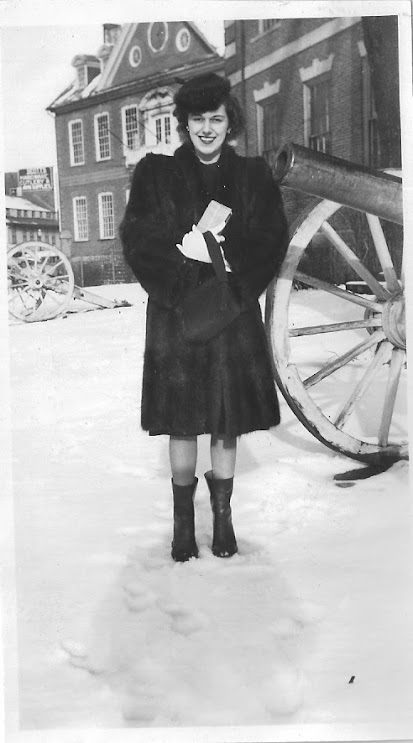
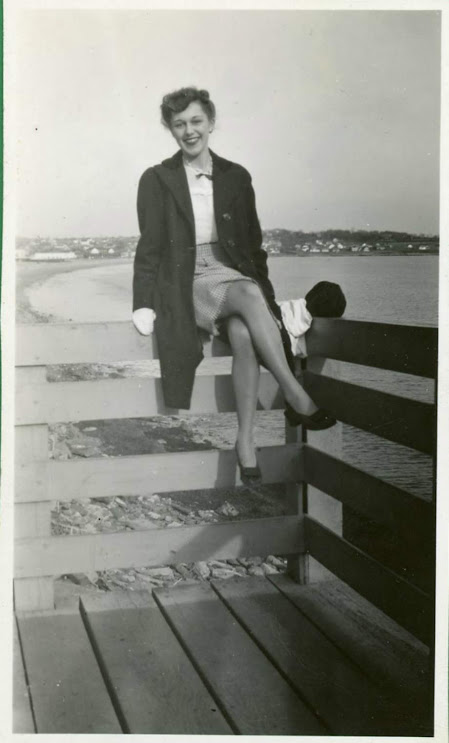
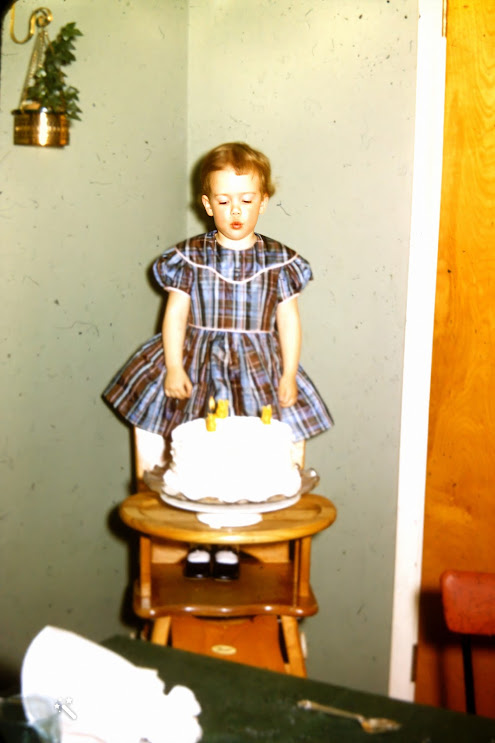
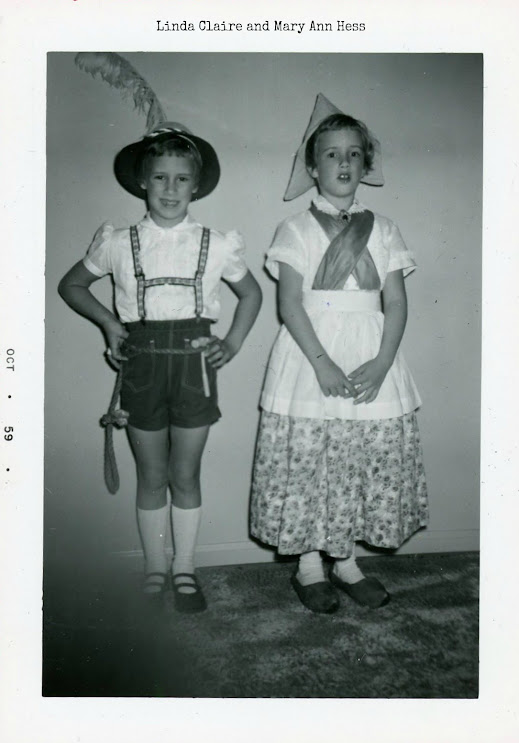
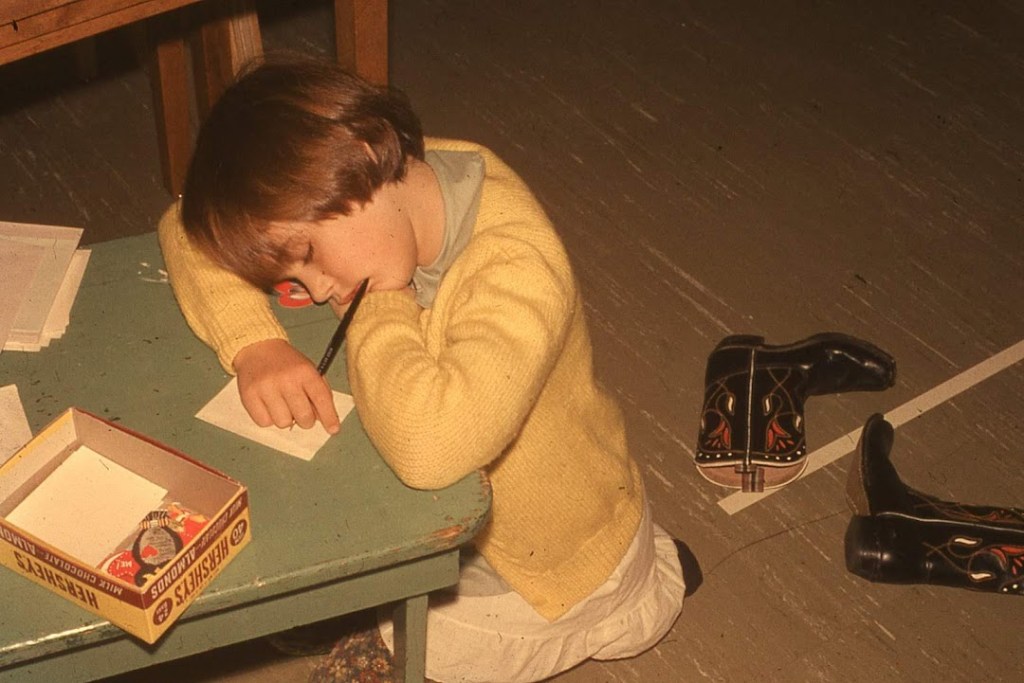
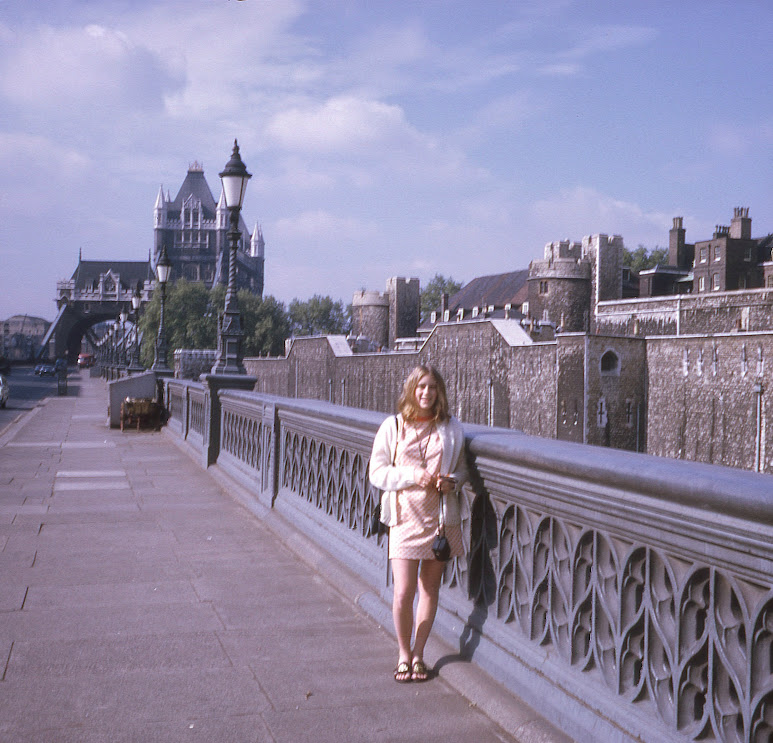
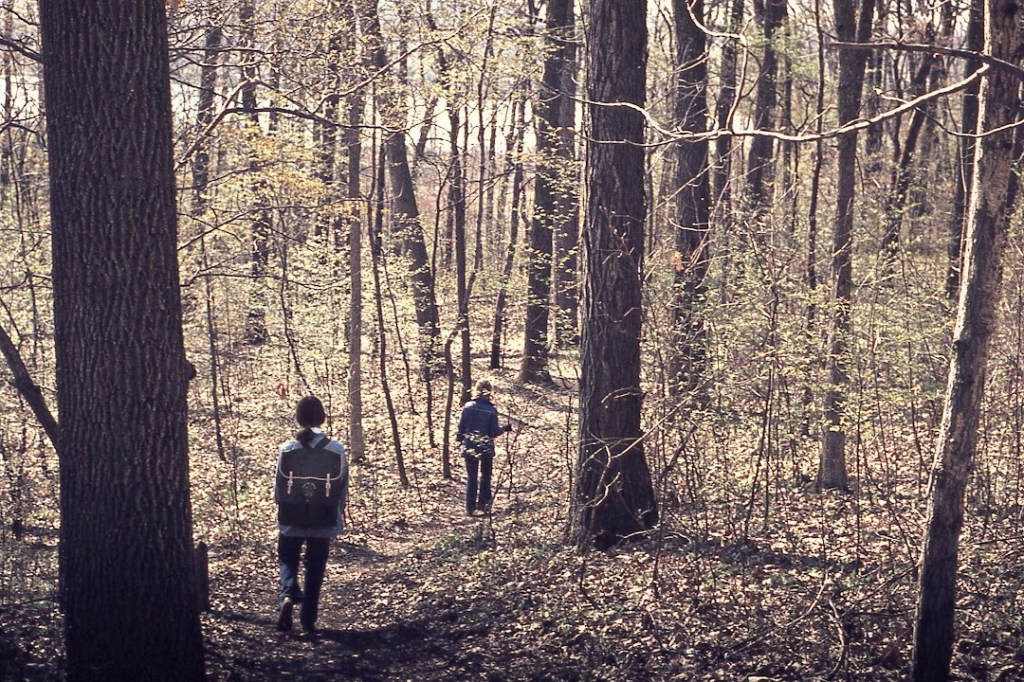
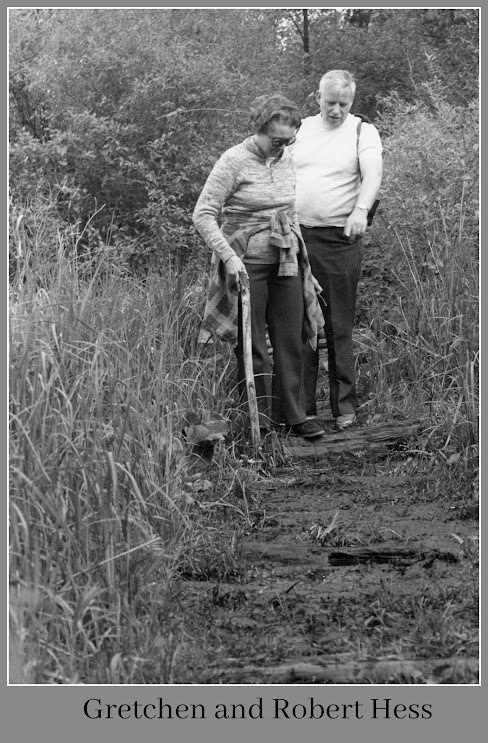
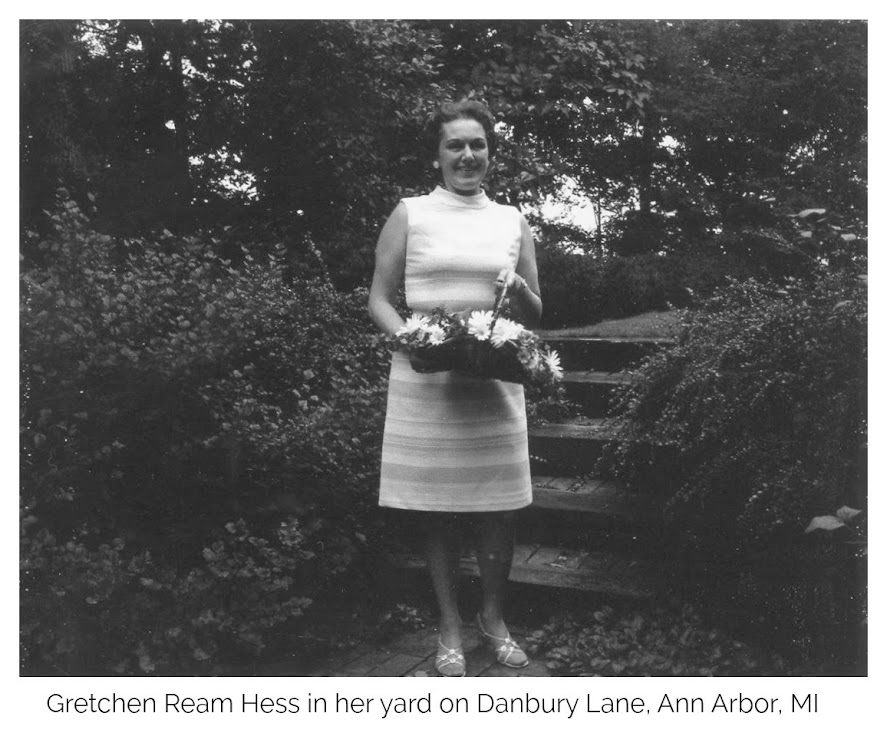
This photo of Gretchen Lois Ream Hess was taken in approx. 1940. As I study this photo, I realize that I could easily dress just like her even now in 2024! The anklet socks worn with the loafers were a classic combination.AI has estimated that the date of this photo is 1942. Mom would have been 17 years old. The location was 520 N. Main Street, Ann Arbor, MI. Gretchen Ream Hess is wearing a pair of modest shoes that seem to reflect this time era as the Great Depression was just ending. A photo of Robert Lawrence Hess on his 1st day at the University of Michigan. This would have been in 1942. Look how spiffy he is in this outfit paired with classic shoes.Look at these beautiful two toned shoes my mother is wearing in 1944. A photo of my Uncle Robert Emerson Ream with my mother Gretchen Ream Hess. AI dates this photo as 1945 – so maybe just at the very end of WWII. I notice that Uncle Bob’s shoes are not the shiny patent leather but some much more practical leather. Mom’s shoes are adorable with the little open toe and a cute bow. I am in love with Madalyn’s gorgeous heels!Mom is probably visiting Dad at Midshipman School. When did she get a fur coat? Was it possibly from Aunt Babe? What are your ideas? The boots actually look very stylish. I date this photo at approx. 1945.My stunning mother. Look at these beautiful shoes! I believe this photo is from her honeymoon in December of 1945.I am dating this photo at approx. 1948. Mom is sitting on a park bench with a friend. I believe this is from Mom’s young married days in Bethlehem, PA. So – what amazing sling back shoes…right?An amazing photo of Mom from approx. 1950. Everything about this outfit is WONDERFUL.Mary Ann is wearing the quintessential baby shoes of the 1950’s. These shoes may be the ones that Mom had bronzed later as a memory. Also…did toddlers really get to wear a string of pearls? I love the knit dress.A chance to see 4 generations of my family and the shoes we all had on. Precious!Mary Ann with 3 candles in the birthday cake. Look at her pretty patent leather Mary Jane shoes with a type of dress that required a “stick out slip” to hold the skirt in place. Bonus photo that shows my leather tie up shoes and my rubber boots. The funny thing is that the shoes were worn inside the boots back in those days. WOW…I bet we are all laughing at this photo! Mary Ann’s shoes were passed down and were a classic style for little girls of the 1950’s. I seem to have some pretty swell slippers. March 1, 1956.I am sporting red tennis shoes. I feel like I still have a memory of them. Chrissy White is between me and Mary Ann. My mother, Gretchen, is on the far right and is pregnant with Kathryn. This photo was taken in 1957.Here we are in our Easter dresses. Linda Claire, Kathryn Sue, and Mary Ann. Kathryn has the standard toddler shoes and Mary Ann and I are wearing patent leather shoes. Remember that dresses from this era were made with only natural fibers (no polyester yet) so they had to all be carefully ironed. Date estimate 1958.This photo is proof that flip flops have been around for a long time. I always smile when I look at this picture- the foreshadowing of me being afraid of heights and nervously grabbing my father’s slacks. Mary Ann looks confident and Kathryn is just busy playing with the sand. Photo possibly in late 1958 or early 1959.I am the mountain climber – an alpine German yodeler and Mary Ann is the little dutch girl in wooden shoes. The shoes I am wearing appear over and over in our family photographs. I think that we must have kept getting the same shoes in a different size. Back in 1959 we owned only a couple pairs of shoes each and frequently took them to the cobbler in Nichols Arcade to be repaired. Yes, we did have wooden shoes. They were kept in the dress up chest.This photo also has me laughing. Kathryn looks at Santa so lovingly and Mary Ann is also happy as can be. But, look at me…not sure at all about this guy! LOL. Also, until this blog, I never realized that Kathryn is wearing the hand me down boots from the earlier photo of me asleep on the floor in my snow suit. Again, these types of boots were worn with our shoes inside. In order to put the boots on, we first covered our shoes in plastic bread bags to help them slip on. Christmas 1959.What a hoot. At least Mary Ann has the pretty smile. My smile is a little over the top and Kathryn looks quite displeased that the cake is obviously not hers. Kathryn is wearing the recycled pair of red shoes that appear over and over in these photographs. We are with Bones and Madalyn at their home in March of 1960.Apparently Kathryn is being smooshed between her sisters. Mom liked to dress us in similar styles. I see that we all are wearing identical pairs of blue sneakers. Photo 1961.It looks like Kathryn is wearing our hand me down black patent leather shoes. Photo circa 1962. Aunt Babe possibly actually sewed this coat- her occupation was as a seamstress.In 1962 we seem to be wearing some quite lovely summer sandals. In this photo we are pictured with a Canadian dignitary. Kathryn…why are you wearing socks?I love looking at the shoe fashions in this 1964 photo of the Silver Anniversary party for Madalyn and Bones. The photo was taken at 2629 Danbury Lane, Ann Arbor. Grandma Pet (Amelia Ream) is seated in the orange chair on the front right of the photo.I love this photo of Kathryn for a hundred reasons. Check out her amazing cowgirl boots! Yee Haw! Photo circa 1965.A photo from my 1970 European vacation with Dad. I am wearing a “stretch and sew” dress made by Mom. This was the start of polyester. I think my sandals are pretty cute!We definitely had hiking boots and did plenty of nature walks as a family. Photo circa 1971.Mom and Dad are also wearing practical walking type shoes in this 1971 photo.Jack is wearing the Earth Shoes that became kind of an obsession for all of us in this 1972 time period.Mom looks so lovely in the back garden at 2629 Danbury Lane, Ann Arbor. Fantastic shoes…right?I know. I know. I haven’t changed a bit. LOL. This is in front of Waterman Residence in my 1970’s college days. Pretty borrowed dress and shoes.Can you tell that Bones is wearing the classic rubbers over his shoes. This was the classic winter style for men at that time.Christmas c1975. Mary Ann is wearing a beautiful smile and some great wedge shoes.I am on my honeymoon in 1977 wearing my wonderful Earth Shoe sandals.
Two of the Bravin brothers married two of the Melosso sisters. One of these marriages was of the great aunt and great uncle of my ex-husband’s Groshans family. The other marriage was of the maternal grandparents of my ex-husband’s Groshans family.
When 2 brothers marry 2 sisters it brings an interesting bond and actually blends many of the family lines between sibling and in-law. It is fun to think that their family gatherings would have brought together these 2 families and 2 sets of siblings!
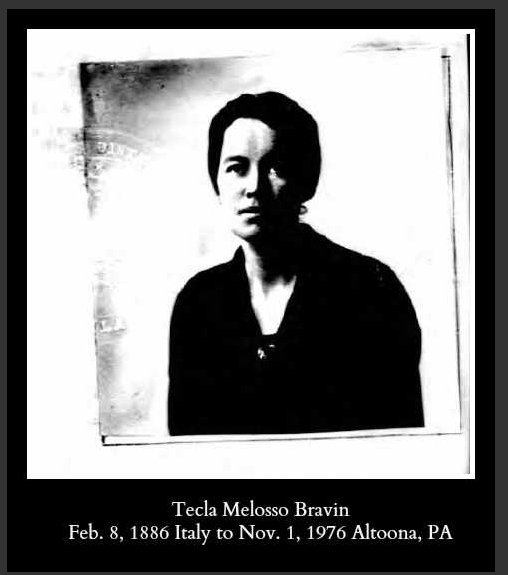
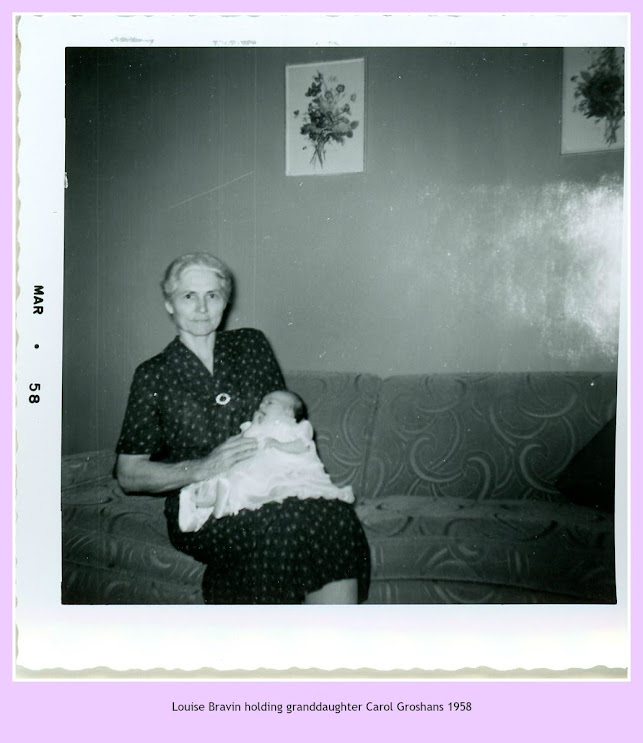
Tecla Melosso was an older sister to Lousa Melosso (aka Louise Bravin). She was a Great Aunt to my ex-husband and his Groshans siblings.
Tecla Melosso was an older sister to Lousa “Louise” Melosso. This made Tecla a great aunt in the Groshans family.
Tecla married Luigi “Louis” Bravin. Luigi was born in Meduno, Italy on 1 Apr 1884. He immigrated to the USA on 15 Nov 1906 (he was 22 years old.) The marriage of Tecla and Louis took place in PA on 15 Nov 1909 (he was 25 years old and she was 23 years old.)
Tecla and Luigi’s children were 1st cousins once removed to my ex-husband and his siblings.
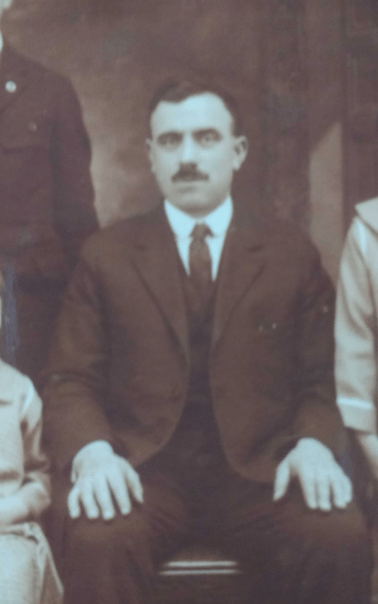
Luigi “Louis” Bravin 1884-1936
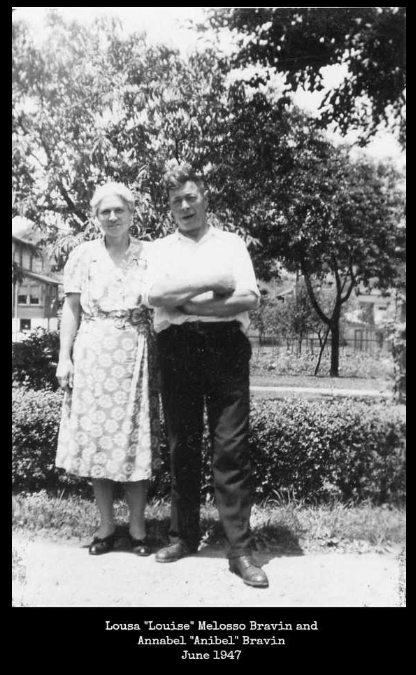
Techla’s younger sister, Lousa Melosso (Louise), married Luigi Bravin’s younger brother Anibale Bravin. Lousa (Louise) and Anibale were the maternal grandparents of my ex-husband and his siblings.
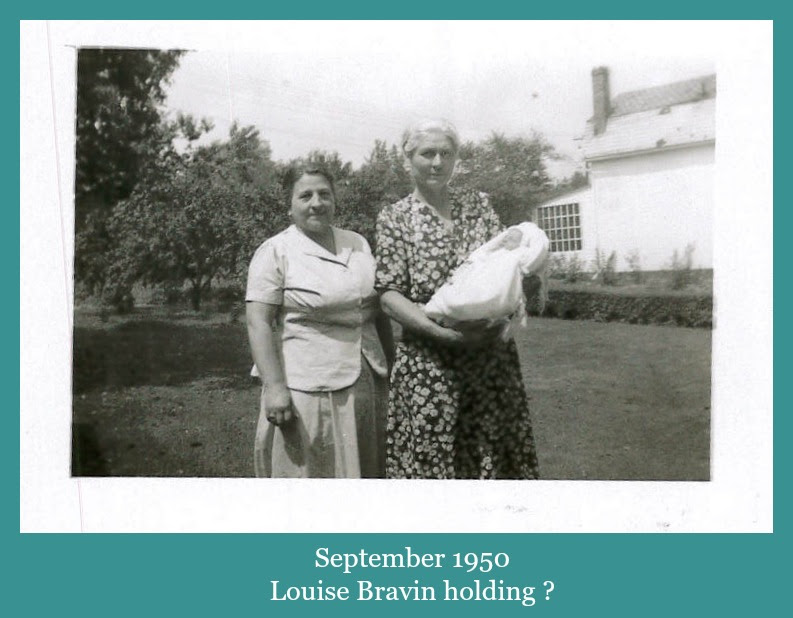
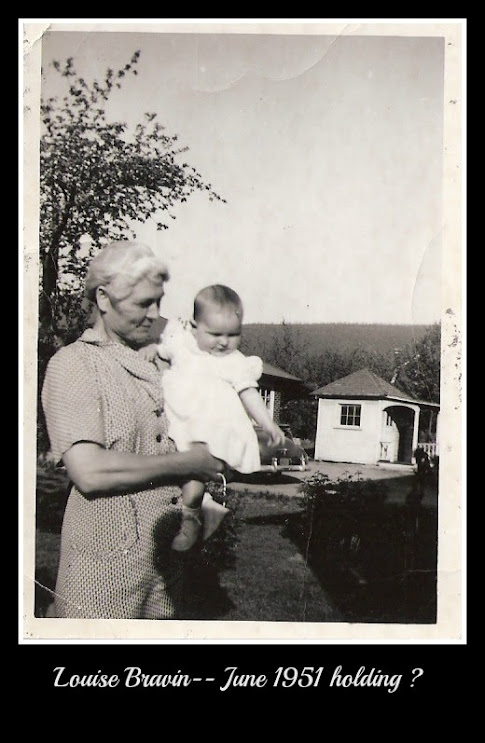
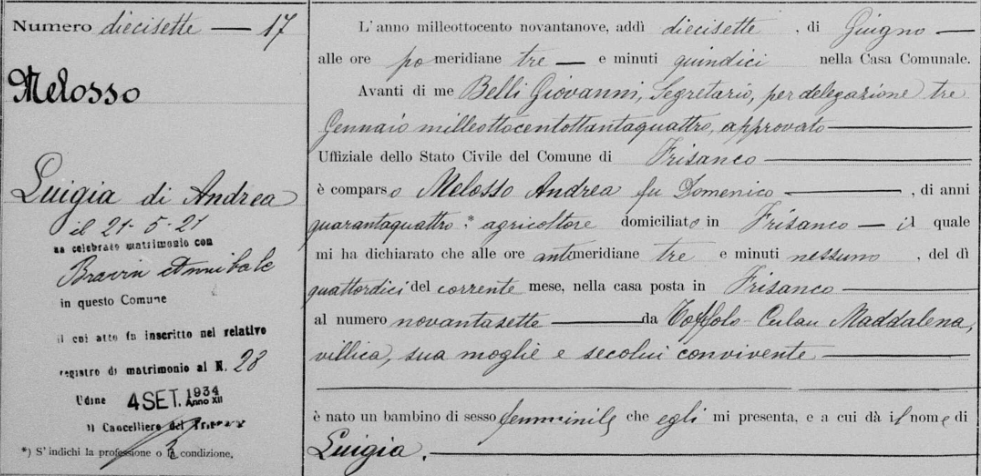
Lousa (Louise) was born 13 June 1899 in Frisanco, Pordenone, Friuli-Venezia Giulia, Italy. She immigrated to the USA when she was 23 years old. This is a link to a blog that I wrote about Lousa (Louise).https://tellinglifestories.org/tag/louise-bravin/
Anibale Bravin was born on 13 Feb 1891 in Udine, Friuli-Venezia Giulia, Italy.
Anibale Bravin 1891-1969. I believe his name was pronounced Ahh Nee Bah Lee.
When Lousa “Louise” Melosso was born on June 13, 1899, in Frisanco, Pordenone, Italy, her father, Andrea, was 43, and her mother, Maddalena, was 36. She married Anibale (Annibale) Bravin on May 21, 1921 in Italy. They had three children during their marriage. She died on August 17, 1990, in Altoona, Pennsylvania, at the age of 91, and was buried there.
1899 birth
Here is a time line of Lousa’s life:
Birth: Lousa was born on June 13, 1899, in Frisanco, Pordenone, Italy, to Maddalena “Lena” Toffolo Culau, age 36, and Andrea (Andrew) Melosso, age 43.
Age 3: Her brother Angelo Selemino died on December 31, 1902, in Frisanco, Pordenone, Italy, when Lousa “Louise” “Luigia” was 3 years old.
Age 5: Her sister Albino was born on July 30, 1904, in Udine, Udine, Italy, when Lousa “Louise” “Luigia” was 5 years old.
Age 21: Lousa married Anibale (Annibale) (Pete) Bravin on May 21, 1921, when she was 21 years old. They were married in Italy.
Age 22: Her son John Andrew or Giovanni Andrea Battista was born on March 1, 1922, in Meduno, Pordenone, Italy.
Age 23: Lousa immigrated to the US on 29 Aug 1922 on the Europa. I believe she was processed at Ellis Island. She had started the voyage in Genoa, Italy on 22 Aug 1922.
This is the arriving passenger list
Age 26: Her son Louis Edward “Lou” was born on August 25, 1925, in Altoona, Pennsylvania.
Age 27: Her daughter Madeline Mary Rose or Maddalena Maria was born on December 20, 1926, in Altoona, Pennsylvania.
Age 34: Her father Andrea (Andrew) passed away on March 31, 1934, in Meduno, Pordenone, Italy, at the age of 78.
Age 62: Her sister Angela died in 1961 when Lousa “Louise” “Luigia” was 62 years old.
Age 70: Her husband Anibale (Annibale) (Pete) passed away on December 14, 1969, in Altoona, Pennsylvania, at the age of 78. They had been married 48 years.
Age 77: Her sister Tecla died on November 1, 1976, in Altoona, Pennsylvania.
This 1930 US census shows that Lousa was born in Italy – her parents were also born in Italy.1930 US census data on Lousa1940 US census data on Lousa
What was Frisanco, Friuli-Venezia Giulia, Italy like when Lousa Louise was born?
The following information was generated by AI.
In 1899, Frisanco was a small village located in the region of Friuli-Venezia Giulia, Italy. Nestled in the picturesque foothills of the Dolomite Mountains, Frisanco was a close-knit community with a rich cultural heritage. Let’s explore what life was like in Frisanco during this time.
Daily Life:In 1899, the people of Frisanco lived a simple yet fulfilling life. The village was primarily agrarian, with most residents engaged in farming and animal husbandry. The fertile soil and favorable climate allowed for the cultivation of crops such as wheat, corn, and barley. Families worked together to tend their fields and care for their livestock, ensuring a sustainable livelihood.
Cultural Traditions:Frisanco was known for its vibrant cultural traditions. The people took great pride in their heritage, preserving and celebrating their unique customs. Festivals and religious processions were an integral part of village life, bringing the community together in joyous celebration. Traditional dances, music, and local cuisine were cherished, reflecting the rich tapestry of Friulian culture.
Community Spirit:The people of Frisanco valued strong community bonds. Neighbors supported one another, sharing resources and lending a helping hand when needed. Social gatherings, such as weddings and baptisms, were cherished occasions for the entire village to come together and celebrate. The local church played a central role in community life, serving as a place of worship, social gathering, and a source of guidance and support.
Historical Context – from an AI biography on My Heritage Lousa Bravin, née Melosso, was born into a world on the brink of great change. The year 1899 saw Italy in a period of political flux and social transformation as it grappled with its relatively recent unification and industrialization. Her father, Andrea Melosso, would have witnessed Italy’s struggles for independence and unity during his lifetime, which were marked by significant events such as the Third Italian War of Independence (1866) and the capture of Rome (1870). Lousa’s early years in Friuli-Venezia Giulia, an area known for its cultural diversity and linguistic minorities, likely exposed her to a melting pot of traditions and languages. When Lousa married Anibale ‘Pete’ Bravin in 1921, Europe had just emerged from the devastation of World War I. Italy, having joined the war on the side of the Allies in 1915, experienced economic hardship and social unrest in the post-war years. This tumultuous environment, coupled with the promise of the American Dream, may have influenced the Bravins’ decision to emigrate to the United States. They became part of the massive wave of European immigrants seeking better opportunities abroad in the 1920s before the U.S. Congress passed immigration quotas with laws like the Emergency Quota Act of 1921 and the Immigration Act of 1924. The Bravin family settled in Altoona, Blair, Pennsylvania, during a time when America was transitioning from the Roaring Twenties to the Great Depression and then into the recovery efforts of the New Deal era. Altoona, with its thriving railroad industry, offered employment opportunities that attracted many immigrants. By the 1930s and 1940s, the city reflected broader national trends, including the impact of World War II on domestic life and the subsequent post-war boom that reshaped the American economy and society. Lousa Bravin lived through momentous periods of the 20th century, witnessing the rise of mass media, the civil rights movement, the Cold War, and the technological advancements leading up to the Space Age. She passed away at the age of 91 in 1990, a year marked by global shifts such as the fall of the Berlin Wall the previous November and the dissolution of the Soviet Union shortly thereafter. Her death in Altoona, where she had spent much of her life, came at the close of a century that had seen immense changes in the world she first entered back in 1899.
Last Name Origins The surname Melosso is not a common name, and its origin is not widely documented in mainstream onomastic references. It may be of Italian origin, given the suffix ‘-osso’ which is characteristic of some Italian surnames, often denoting a physical trait or characteristic. The prefix ‘Melo-‘ could derive from ‘melo,’ the Italian word for apple, but without specific genealogical or historical evidence, this is speculative. Further research would be required to determine the exact origin and meaning of the surname Melosso. The last name Bravin is likely of Italian origin. In Italian, ‘bravo’ means ‘good’ or ‘skilled’, and the suffix ‘-in’ can denote a diminutive form or affiliation. Therefore, Bravin might originally have been used to indicate a person who was a good or skilled worker, or possibly the son of someone named Bravo. This surname is more prevalent in northeastern Italy, suggesting regional origins or associations with that area. As with many surnames, the precise etymology can vary based on family history and geographic distribution.
Benjamin Ream was born in September 1855, in Schuylkill Haven, Pennsylvania. He was the son of John Ream, born circa 1816 , and Sarah Maria Ream (born Reichert), who was born in 1823.
Benjamin was my great grandfather. His son, Grover Cleveland Ream, was my maternal grandfather.
He married Hattie R. Ream (born Fike), who was born on July 25, 186 , in Indiana. They were married in 1881 and had nine children: Rebecca, Winfield, Grover, Lucy, John, Harriet, William, Josephine and Frederic.
Benjamin’s occupation was a carpenter. Throughout his life, he lived in various places including South Manheim Township, Schuylkill, Pennsylvania, and Ann Arbor city Ward 7, Washtenaw, Michigan. By 1920, he had moved to Metzger, Washington, Oregon.
Benjamin Ream’s birth in the mid-19th century came at a time when America was rapidly changing. Born into an era of industrialization and just before the Civil War, his Pennsylvania roots placed him in a state that was a hotbed of political and economic activity.
Marrying Hattie R. Ream on May 28, 1881, Benjamin started his own family during a period of reconstruction and national healing following the Civil War. Their children’s names, including my maternal Grandfather named Grover Cleveland, suggested a connection to the broader political landscape, as Cleveland was elected President of the United States twice during this era.
As a carpenter, Benjamin Ream belonged to a vital profession that supported the nation’s growth and expansion westward. His movement from Pennsylvania to Michigan and eventually Oregon followed a pattern of migration as Americans sought new opportunities in different parts of the country. This period saw significant urbanization and the development of infrastructure, which would have provided ample employment for skilled tradesmen.
Passing away in 1928, Benjamin Ream lived through some of the most transformative years in American history, including the end of the frontier, the Gilded Age, World War I, and the beginning of the modern era.
His death in Metzger, Oregon, marked the end of a life that spanned both coasts and reflected the dynamic changes of the United States during his lifetime. He is buried in Ann Arbor, MI. where he shares a grave with his wife Harriet.



























 telling life stories