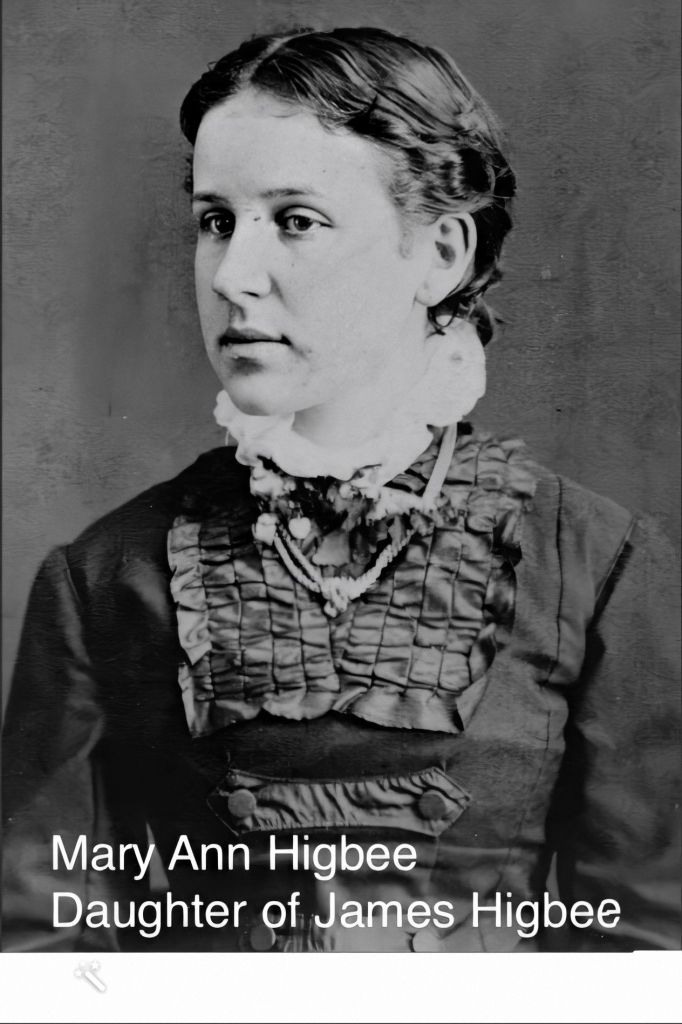
When Mary Ann Higbee (my 2nd great grandmother) was born in Crawford, Ohio on December 12, 1813, her father, James, was 33, and her mother, Mary Fenton Higbee, was 31.
Mary Ann married George Waltour Hess on April 21, 1836 in Anapolis, Ohio. They had 12 children in 20 years. She died on March 24, 1874, in Michigan at the age of 60, and was buried in Berrien, Michigan.
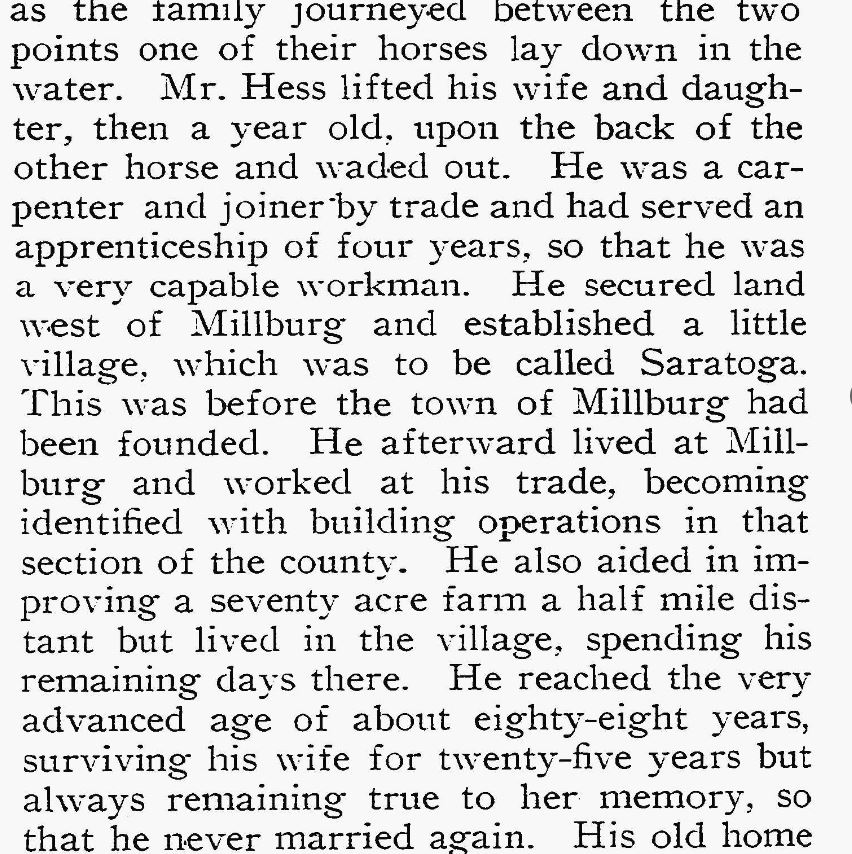
In W. Emerson Babcock’s genealogy compilation, it is recounted that this young married couple “pressed the frontier” and made their way to Berrien County, Michigan. The book (see page 22) then continues to describe the obstacles on their pioneer journey including the need for them to abandon their wagon when they were mid-stream in the St. Joseph River. They mounted themselves on the horses and continued on their way through the forest trails of the Native Americans until they find Mary Ann’ parents who had gone before them to establish a dwelling. Mary Ann and George’s westward journey had taken them through Chicago towards St. Joseph, MI. They were literally traveling through marsh lands. See here the documentation in A twentieth century history of Berrien County, MI Chapter XXVI. HagarCounty. https://www.ancestry.com/interactive/16860/dvm_LocHist004592-00674-1?pid=1084&backurl=http%3a%2f%2fsearch.ancestry.com%2f%2fcgi-bin%2fsse.dll%3findiv%3d1%26db%3dGenealogy-glh19225593%26h%3d1084&treeid=&personid=&hintid=&usePUB=true#?imageId=dvm_LocHist004592-00674-1
Mary Ann’s husband George was by nature a carpenter and also being of German descent, was able to speak and interpret German. He served as a justice of the peace in the area and was “an old school Democrat.” In looking over the news paper clipping below, it is obvious that there was a wave of immigration directly from Germany to Berrien starting in 1840.
In historical accounts it is mentioned that George was “neat in appearance” and was able to do logging without getting his clothing “dirty.” Wow- a super great life skill! All kidding aside, it does seem that he was considered a respectable and kind man and community leader. I never heard stories from my family about Mary Ann or George, so all of my knowledge has come from searching Ancestry and the web and of course the entire Hess-Higbee compilation by Babcock.
Sometimes, when you delve into a previously unknown story about one of your ancestors you end up with as many questions as answers! The circumstances of this ancestor’s location in Massachusetts and his birth year place him in a time era and context for becoming an American patriot. As I “unpack” the stories about Knight, I have come up with so many questions. Questions about the start of this nation, various battles that ensued and time period historical events. What role did Knight have in the formation of America? As a soldier of his times, what had he seen in battle? Where is his historical accounting of the 1757 siege that will be referenced in the quotes below?
For now we begin at the start of Knight Sprague Sr.’s story. He was born on October 12, 1711, in Hingham, Massachusetts. His father, Jeremiah, was 29 and his mother, Priscilla, was 25. Knight’s namesake was his mother’s maiden name. She had been born as Priscilla Knight.
Knight married Mary Lewis and they had six children together. He then married Mary Beal and they had five children together. He died in 1804 at the impressive age of 93.
Knight served in the Minute Men as an American revolutionary patriot. He was also involved in 1757 in trying to defend the British held Fort William Henry from a French siege. This particular event is the subject of the book “The Last of the Mohicans” by James Fenimore Cooper. Fort William Henry was located at the southern end of Lake George, and Fort Edward on the Hudson River. The French troops in concert with nearly 2,000 Native Americans from various tribes caused the British troops holding the fort to surrender their control and occupation of the fort. The defeated British troops were to be escorted out of the fort and taken as prisoners. Instead, as the British were leaving the fort they were killed by the Native American forces in what is historically termed a massacre. Knight, obviously, was a survivor.
“Knight Sprague, son of Jeremiah and Priscilla (Knight) Sprague, was born October 12, 1711, at Hingham, and died at Spencer, Massachusetts, in 1804, aged ninety-three years. He lived at Hingham until 1760, when he sold the old place and removed to that part Old Leicester that is now Spencer. He was a private in Captain Ebenezer Mason’s company of Minute-men, of Colonel Jonathan Warner’s regiment, which marched on the alarm of April 19, 1775, and served five days. This was not his first military service, for when he was but sixteen, he was a soldier in Colonel Benjamin Lincoln’s regiment and barely escaped with his life at the time of the Indian massacre at the surrender of Fort William Henry in August, 1757. He afterwards wrote a vivid description of the horrible incident, which has been preserved for us. The next year he participated in the attack upon Fort Frontinac, under Colonel Bradstreet, when that fortress was captured. Knight Sprague married (first), at Hingham, May 26, 1735, Mary Lewis, a daughter of Joseph and Sarah (Marsh) Lewis, by whom he had six children, as follows : Mary, born May 27, 1736; Sarah, born April 1, 1738; Knight, born March 25, 1740; Anthony, born June 29, 1742; Olive, born June 24, 1744; Thomas, born July 28, 1746. He married (second) Mary Beal, daughter of David and Rebecca (Stodder) Beal, of Hingham, where she was born December 21, 1717. The wedding took place at Boston, October 23, 1747. The children of this union were as follows: Asa, baptized July 24, 1748; James, mentioned below; Thomas, baptized April 26, 1752; Caleb, baptized July 20, 1755; Lucy, baptized October 4, 1761 ; David, baptized January 8, 1764.”
I have been unable to find the above referenced account written by Knight Sprague regarding the Indian massacre at Fort William Henry. But here is another link to information about Knight Sprague and the attack of Fort William Henry:
At first I was confused by the quote below that makes reference to Knight being a mere 16 years old while serving as a soldier in Colonel Benjamin Lincoln’s regiment AND barely escaping from the massacre at Fort William Henry in 1757. Obviously, these are 2 facts being referenced in a strange sentence structure. Because with a birth year of 1711, Knight would have been 46 years old during the siege on Fort William Henry and then must have been 16 while serving as a soldier in Benjamin Lincoln’s patriot regiment.
In an application made by another descendant of Knight (some very distant cousin of mine) who wanted to be in the Sons of the Revolution based on his ancestor Knight – I have provided this information: (see photos)
Here is the how I relate to my ancestor:
Knight SPRAGUE Sr (Rev War) Sr (1711 – 1804) 6th great-grandfather
Sources also include: Memorial of the Sprague fam, with fam, gen. By Rich. Soule. Boston. 1847. (12,191p.):109 Gen. Column of the ” Boston Transcript”. 1906-1941.( The greatest single source of material for gen. Data for the N.E. area and for the period 1600-1800. Completely indexed in the Index.): 16 Feb 1910, 1160; 12 Jul 1911, 2116
Many historical and genealogical writings offer information on Richard Warren and Elizabeth Walker (my 10th great grandparents). Richard sailed on the Mayflower in 1620. He came to the new world alone making sure that things would be satisfactory for the rest of his family. So, YES, my 10th great grandfather was on the original journey of the Mayflower.
https://en.wikipedia.org/wiki/Richard_Warren “At the time of the Mayflower’s voyage in 1620, Richard and his wife had five daughters: Mary (my 9th grandmother), Ann, Sarah, Elizabeth and Abigail. But Richard came on the Mayflower alone, deciding to wait until conditions in the New World were satisfactory before bringing over his family.”
“Elizabeth Walker followed husband Richard to Plymouth, Massachusetts, in the Anne in 1623, accompanied by their daughters: Mary, Elizabeth, Ann, Sarah, and Abigail. Early Plymouth records suggest that Elizabeth was a woman of force and social position in the community. She was rated in the Plymouth tax list of 1632-3, and was one of the first purchasers of Dartmouth. She is usually spoken of as Mistress Elizabeth Warren, a designation by no means common, and she is one of the rare instances in that early colony of continued widowhood.
“Mistris Elizabeth Warren an aged widdow aged above 90 yeares Deceased on the [twenty-] second of October 1673 whoe haveing lived a Godly life Cam to her Grave as a shoke of Corn fully ripe shee was honoralby buried on the 24th of October aforsaid.” “Plymouth Colony vital records,”
Richard only lived until the age of 49 and died in 1628. The quote http://www-personal.umich.edu/~bobwolfe/gen/mn/m2332x2333.htm here is from Nathaniel Morton’s 1669 book New England’s Memorial: “This year [1628] died Mr. Richard Warren, who was an useful instrument and during his life bare a deep share in the difficulties and troubles of the first settlement of the Plantation of New Plymouth.”
Here is HOW we connect to Richard Warren (1579 – 1628) 10th great-grandfather
When I received my DNA results from Ancestry.com, I was amazed to see a high percentage of my heritage was attributed to Great Britain. If Ancestry has my DNA results right, Great Britain is the source of 53% of my heritage. As a little girl, I remember asking many times where my ancestors had come from, and the most common answer I received was, “Germany”. Indeed, I do have many German ancestors especially on my mother’s side of the family. But, here, in this blog on Johan Sprague, I continue my unfolding documentation of my father’s ancestors and I keep learning about my English/ Irish ancestry!
Johan Sprague was my 13th great grandfather. Here is a view of how Johan connects to my father, Robert Lawrence Hess:
Johan Sprague (1501 – 1526) 13th great-grandfather
Now, I am going to share a link from a writing project that was done on the genealogy of the Sprague’s. I am so very grateful for this story, but, is it only historical fiction? Is it just a tall tale? I have made my own conclusion, but I will let you make your own decision!
1.01.1 Family History – The First Three Generations of Sprague’s Family. Written by students of International Training and Education Center, Ho Chi Minh City, Vietnam, Ms. Kelly Norman, teacher. It is not clear whether this unsourced material is based on research of the actual lives of persons, or whether it is historical fiction intended to illustrate the religion, politics, and health issues of the eras in which they lived. http://rubikgroup.weebly.com/1/post/2013/10/family-history-the-first-three-generations-of-spragues-family.html. Accessed June 7, 2015.
” On a bitter cold day in 1501, Johan Sprague was born in Dorset, England in a Catholic family. From 1512 to 1516, he was studied in a church near his house, but deep down in his heart, he did not believe in Catholicism. By midsummer in 1516, he was married Marie – a pastor’s daughter in the church who taught him. Nine years later, in 1525, they was has a first son – named Enos Sprague. In 1527, they had twins girls, Ava and Mia, but Ava died when she was two years old because of influenza. Three years later, when Mia was five years old, many people in their village got and died of smallpox, and she also got it, she survived but sadly it made her blind. In 1534, Henry VIII dissolved England’s monasteries because Pope did not allow him to divorces his first wife. “After Henry’s death, England tilted toward Calvinist-infused Protestantism during Edward VI’s six-year reign”[1]. Many evangelical churches springing up, Johan Sprague and his family left Catholicism and became Protestant, but not much people in the village knew about that. He really found his faith in Protestantism. Unfortunately, after Edward died, Mary I (also known as “Bloody Mary”) was crowned, people endured five years of reactionary Catholicism under Mary I, she was beheaded and burned many Protestants, nearly 300 Protestants were burned to death. Governments and Catholics had no evidence of Sprague family were Protestants, therefore they can safe. Unfortunately, in 1556, Sunday morning, Sprague family were be burned at their house, Johan, Marie, Mia and Enos’s children all dead, just Enos and his wife can alive, the neighbors around said it was just an accident, but someone believe that Catholics did.”
Sadly, if this story is true, Johan had a life cut short by heresy laws that disallowed Protestant beliefs. Henry the VIII had allowed Protestant beliefs in order that he may divorce his wife. But, when Queen Mary I (or “Bloody Mary” ) came to power she had nearly 300 persons killed in her attempt to restore the Catholic Church and rid it of Protestants. If the story above is true, my 13th great grandfather, Johan and most of his family came to a horrible violent death. However, Johann may have never had the twin girls referenced and he may have died at the age of 26 in 1526 rather that 1556 as this story sites.
Note: Even though Johan’s death date is first listed as 1526 in this research, it is also within the same research document listed as 1556. Ugh…more confusion!
If his death date was really 1526, it makes the story of the twin girls and Johan’s death for heresy less likely!
Watch for more blogs on the Sprague family coming soon! I would be very grateful for any information you might wish to share on my family roots!
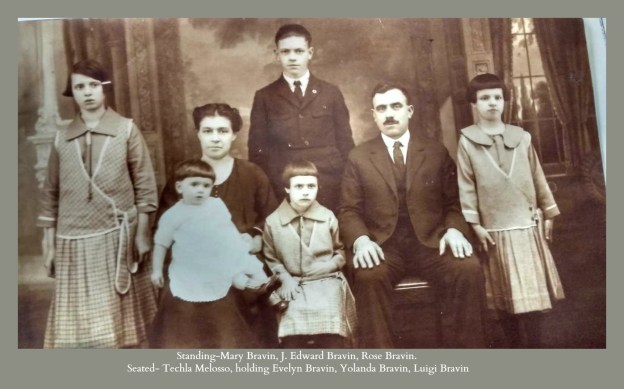
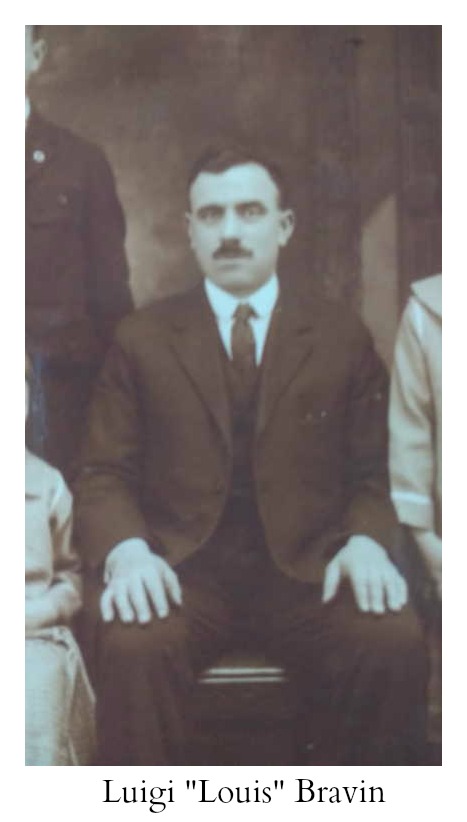
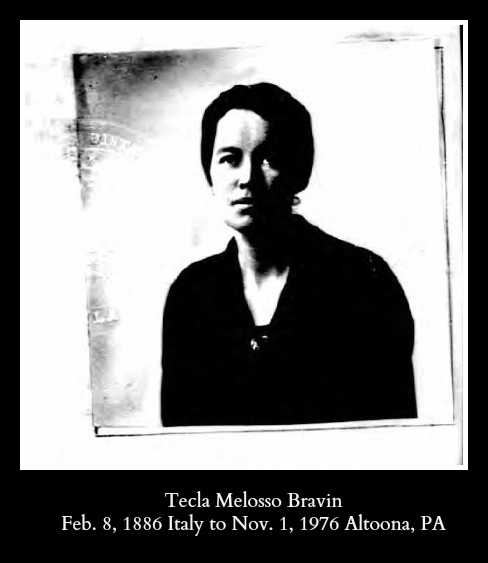
Luigi “Louis” Bravin was born in 1884 in Italy. He was a brother of Anibale Bravin ( the great grandfather of my children.)
Louis married Thecla (or Tekla or Cecelia; Meloso or Melloso) on November 15, 1909. They had five children in 12 years.
He died in 1936 in Altoona, Pennsylvania, at the age of 52, and was buried there.
Louis immigrated to the U.S.A. from Udine, Italy when he was 22 or 23 in approx. 1906/07. When he was 25 years old (November 15, 1909) he married Tecla.
By occupation he was a stone mason.
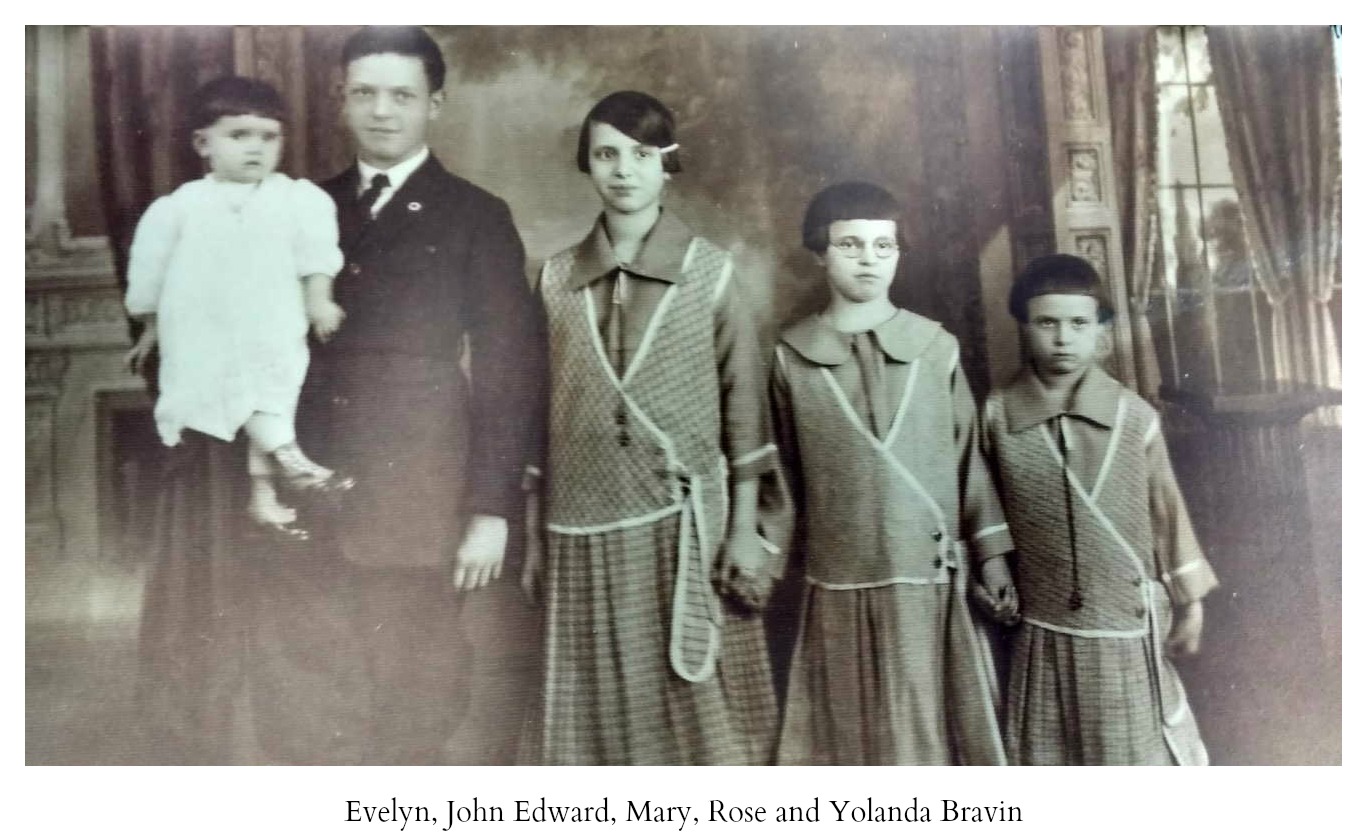
Together, Louis and Tecla had these children: John Edward 1910-2003/ Mary “Sister M. Yolanda” 1912-1996/ Rose E. 1915-2006/ Yolanda Madeline 1918-2011/ Evelyn Louis 1923-2014. (These children were the Bravin great, great Uncles and Aunts to my children.)
My 8th great grandfather was John Wildes, Sr. who was born in Lanchashire, England in approx. 1620. His 1st wife and my 8th great grandmother was Priscilla Gould. She also had been born in England in approx. 1628. They emigrated and settled in Massachusetts.
My 8th great grandfather, John Wildes, Sr. was married 3 times. His first wife and my direct ancestor was Priscilla who died in 1663 at the age of 34. In the year of Priscilla’s death, John married a second wife Sarah Averill. This second wife would be wrongly accused of witchcraft and was hanged in 1692 along with other Salem citizens: Sarah Good, Rebecca Nurse, Elizabeth How, and Susannah North. (In the book The Salem Witch Trials: A day by day Chronicle of a Community Under Seige- page 186, this quote is made about John’s 2nd wife Sarah Averill: “…most evidence came from the family of her husband’s first wife, Priscilla Gould. For their sister was not even seven months dead when John Wildes married Sarah, who, they knew, had once been whipped for fornication and yet had the brass to flaunt finery above her station…”
John’s 3rd wife was Mary Jacobs ( a widow) and he had no children with his 3rd wife.
John Bishop, Sr. would have to suffer terribly during the hysteria of the Salem Witch Trials. Not only had his second wife been accused of witchcraft and hung, but also his daughter (also a Sarah) and his son-in-law (Edward Bishop) were accused and imprisoned for witchcraft.
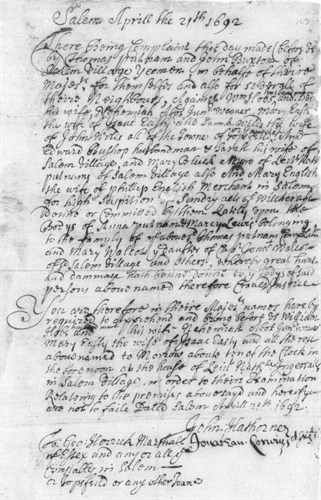
Sarah and Edward Bishop (my 7th great grandparents) were able to escape jail after 37 weeks! Once they escaped, they went to Rehoboth where Edward became an inn keeper. Later, they would be exonerated. Why had Sarah Wilde and Edward Bishop, wife and husband, been accused? Well, Sarah and Edward ran an unlicensed tavern in their home. In addition to serving drink, they also allowed the patrons to play games that included gambling at shovel board. (See the book The Salem Witch Trials: A day by Day Chronicle of a Community Under Siege- April 1692, page 95) Townsfolk were indignant and sought to have them called out as witches before their “loose ways” affected others.
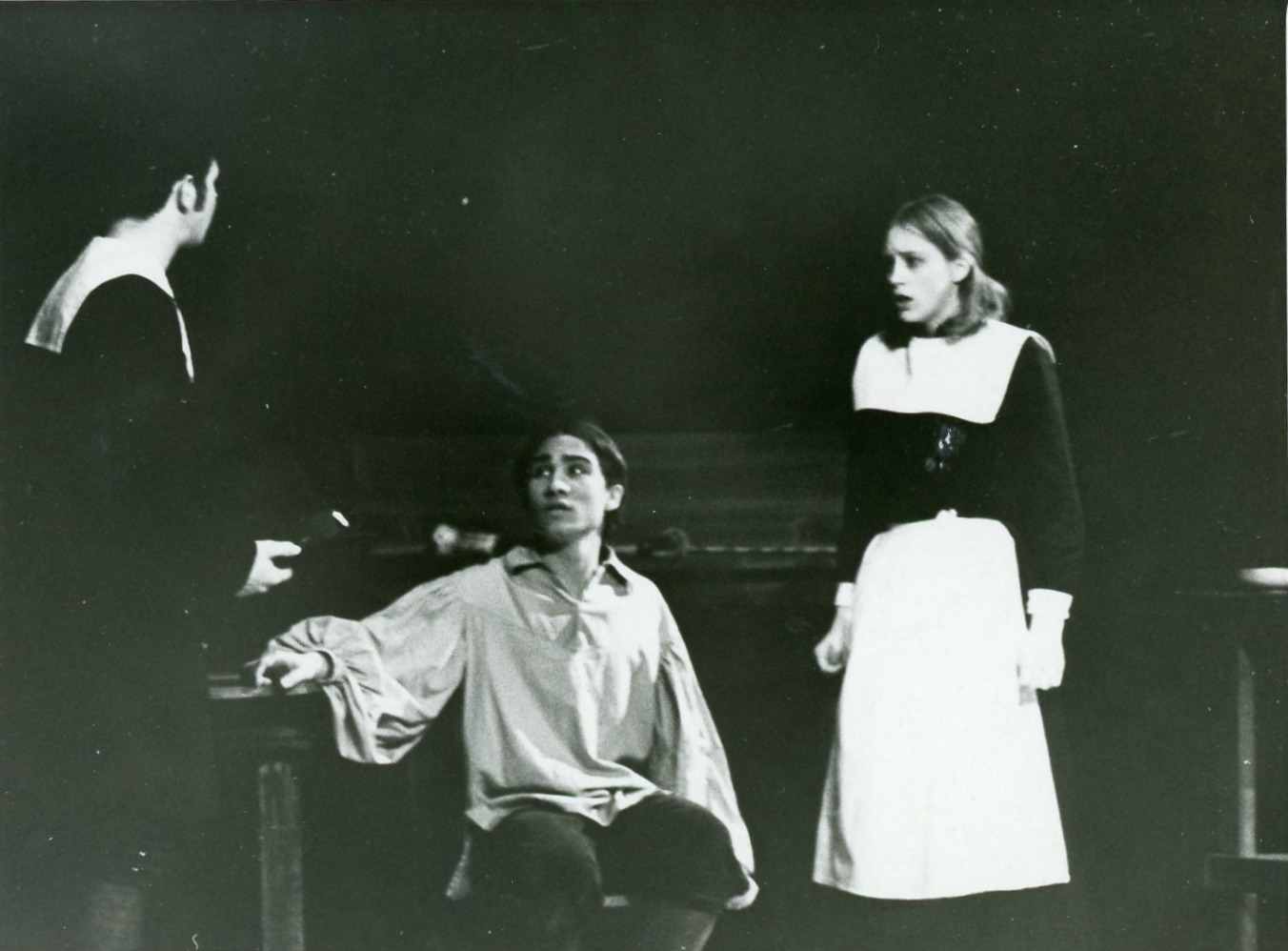
Here is a photo of me (Linda Claire Hess) in the play the Crucible. Funny that at the time that I played the lead, I did not even know about my family connection to the story!
George Kellogg Hess, Sr. was my paternal grandfather. I only met him a few times. I was 15 years old when he died. Perhaps, not “knowing” my own grandfather has piqued my curiosity and given me ample reason to delve into the history of this direct ancestor. Although I spent little time with this Grandparent, I was frequently told of his intelligence and some of his accomplishments especially those to modernize the Hess family orchard/farm. In other words, while there was some type of “distance” between my nuclear family and my grandparents, there was also an acknowledgement by my father of his parent’s better attributes. I heard they were brilliant, avid readers, liked ham radio, they were ahead of their times in farming technology, and were staunch Baptists. I have a few presents that were sent to me by my grandfather that included an elf doll and a book on animal footprints. My grandfather has long since passed away from this life and I am trying to understand some of what made up his life story and in some sense “meet him.”
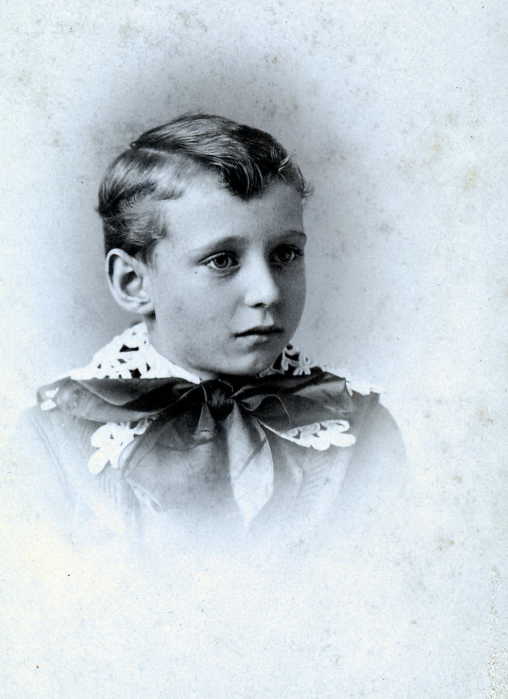
When George Kellogg Hess was born on September 6, 1891, in Benton Harbor, Michigan, his father, Juan, was 41 and his mother, Dorothy, was 34. If you read my blog about Robert de Montel Hess (George’s brother), http://wp.me/p7gsef-kJ you can get information about George’s siblings and better understand some of the losses my grandfather had as a boy and youth.
This is a link to a book about Juan Hess (George’s father)
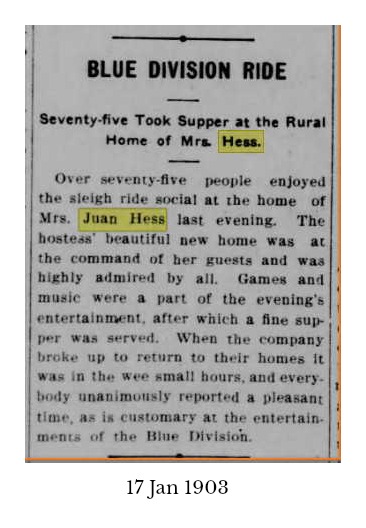
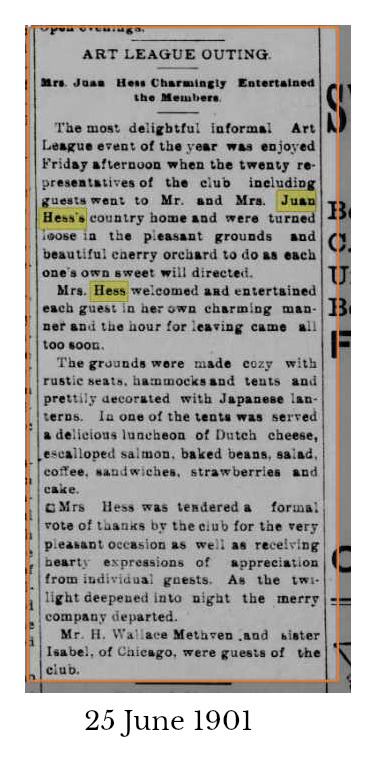
George’s parents seemed to have had a successful life. I understand that they were farmers, but had a city and country home. Dora, George’s mother, was accomplished in social graces and many news articles of that era spoke of her love for the arts, music, sleigh rides, buffets and social gatherings. (The articles below are only samples of many articles that appeared in the news) The orchard successfully sold and supplied Chicago markets and other large city markets with their very fine fruits.
s
George was a graduate of the University of Michigan in Ann Arbor, MI. Both of his sons, George Kellogg Hess, Jr. and Robert Lawrence Hess would also graduate from the U.of M. Henrietta had attended and graduated from the Chicago School of Music.
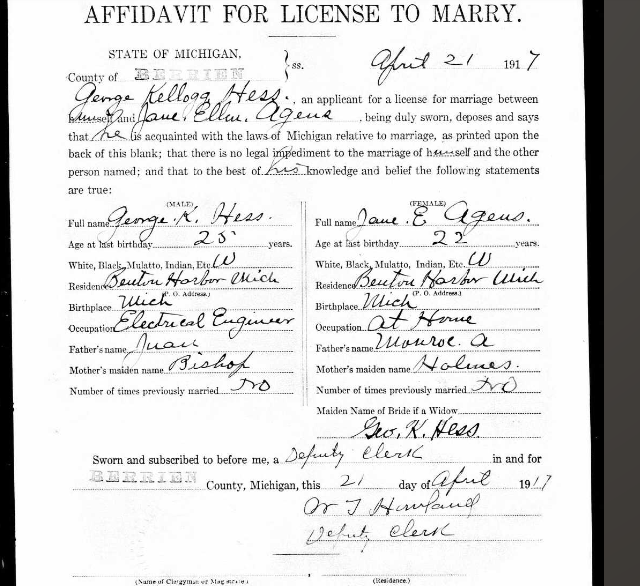
George married Jane Ellen Agens on April 21, 1917, in Benton Harbor, Michigan. My father had not been told that his father had been previously married. But, my father had told me that his father had been in love with a young woman who became ill and was moved to a sanitarium with terminal tuberculosis. According to these legends, my Grandfather would sit on a bench outside of her window and read to her. He was not allowed to be with her for fear of infection. It was only because of the internet that I found proof that a marriage had in fact occurred. Jane Ellen Agens died in March of 1919. Following her death, George moved to Cook Co., Chicago, IL.
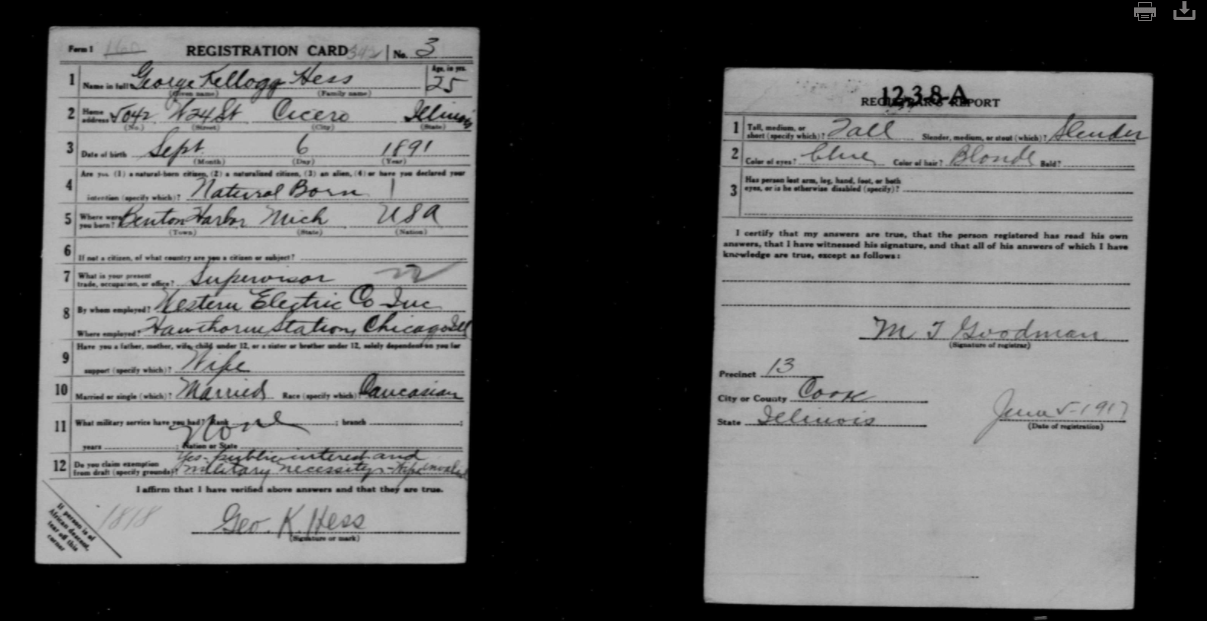
Note that George registered between 1917 and 1918 for the WWI draft and stated that he should be exempt because his wife was an invalid.
It was in Chicago, that George married Henrietta Spruhan (my grandmother) on June 29, 1921. At the time of the marriage he was 29 years old and Henrietta was 27. They would go on to have two children together. Their sons were George Kellogg Hess, Jr., my Uncle and Robert Lawrence Hess, my father. This is a link to my blog on Henrietta Spruhan Hess http://wp.me/p7gsef-2P
In 1930 the the George Hess Sr. family was living in a rented apartment in Chicago on N. Neva Ave. The census states that they owned a radio! George’s occupation is listed as Electrical Engineer. I don’t know how to figure this into my information, but in the same year 1930, there was also a published city directory that lists George and Henrietta living at a conflicting address of 832 S. Maple Ave. At this time, George was 7 years old and my father was 5 years old. The 1930 census must have been taken just prior to my father’s health crisis and burst appendix. The doctor’s cautioned George and Henrietta that my father’s only hope for recovery was to move from the city to the country. Although this advice seems quite odd from modern day perspective, it was the advice given and my father did survive! Therefore, it was also in 1930 that the George Hess, Sr. family returned to the farm of Juan Hess recently deceased.
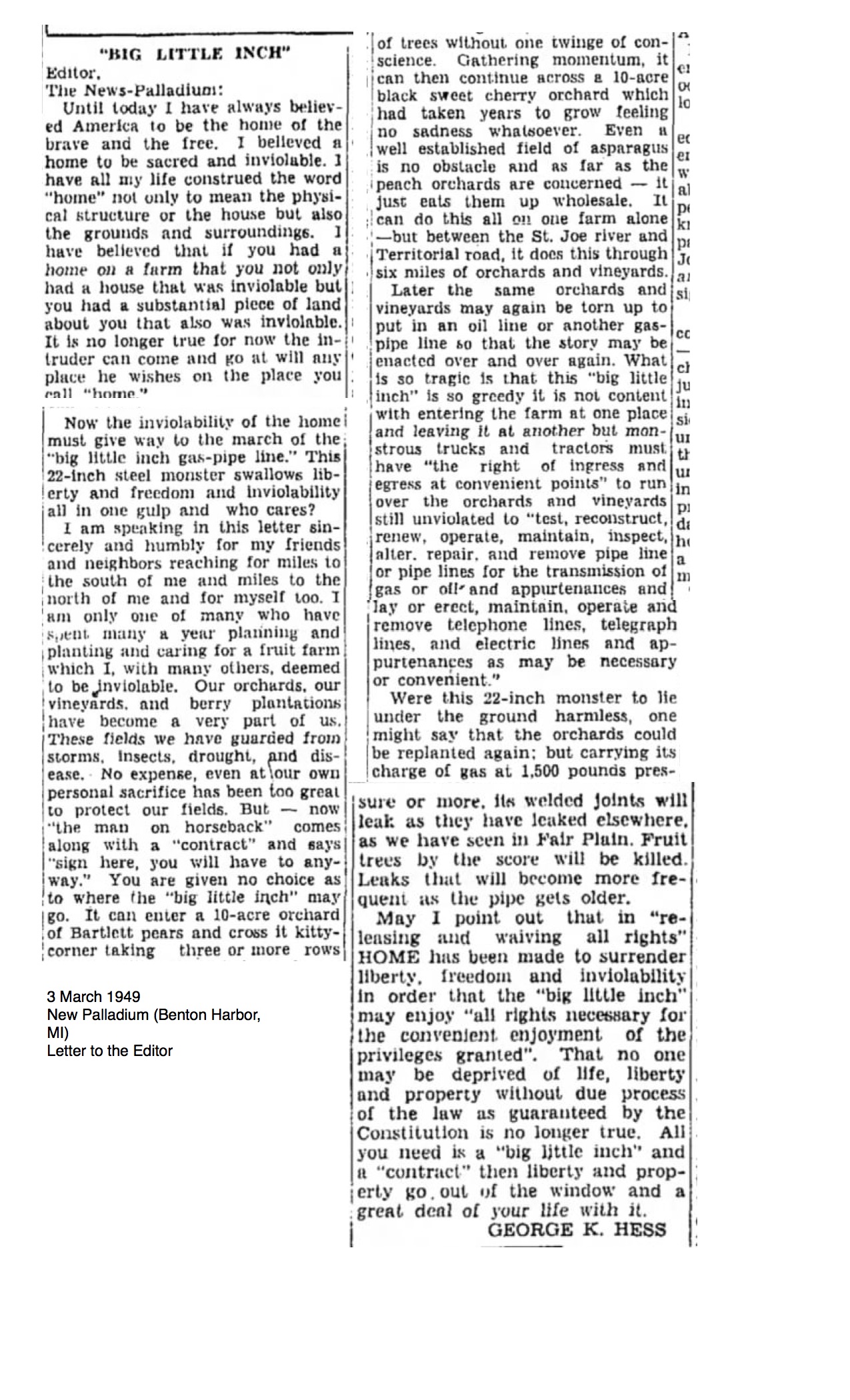
As a farmer, George was also quite active in political affairs pertaining to grower’s rights, taxes, labor camps, and pipelines. (See a few examples- there are so MANY news articles on George K. Hess, Sr. that I have not begun to gather all of them!) N
George and Henrietta lived on the Hess Farm pictured here: (note: my father told me many times how his father had sold the horses in order to use tractors on the farm- not generally a practice in this area at this time)
George and Henrietta moved to St. Cloud, Florida as their retirement residence in approx. 1958. I visited there once. The home was modest but set on land that had whispering pines and the lake. One of the curious things that I noted there was a full fledged underground bomb shelter!
George Kellogg Hess, Sr. died on January 10, 1969, in St Cloud, Florida, at the age of 77, and was buried in Kissimmee, Florida. His wife Henrietta did not die until 1984 and was never remarried.
There are only a handful of photos with me and my grandfather pictured together. This photo was taken at my home in Ann Arbor, MI. I remember that he had visited us there prior to getting his cataract surgery at the U of M Hospital which is located in Ann Arbor.
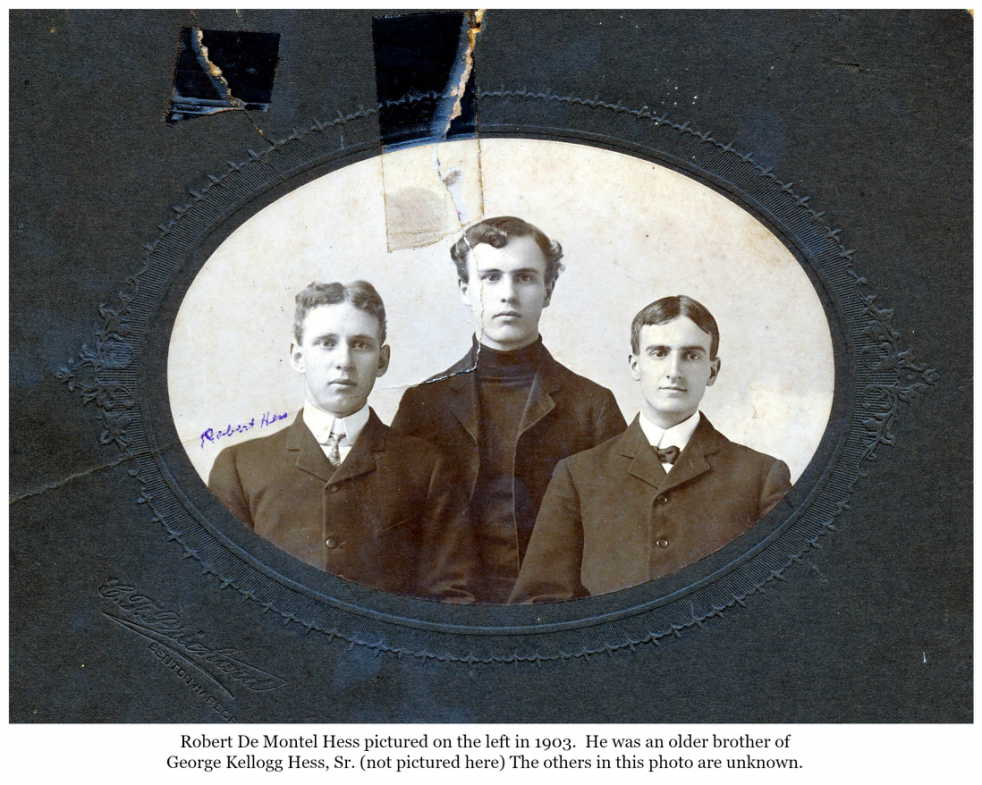
When Robert De Montel Hess was born on April 8, 1882, in Benton Harbor, Berrien Co., Michigan, his father, Juan Hess, was 31 and his mother, Dorothy (Dora Bishop), was 25.
Robert de Montel and my grandfather, George Kellogg Hess, Sr. were brothers. They had two other siblings (also children of Juan and Dora) that had died as very young children. According to Michigan death records these two Hess children died in 1880 of diphtheria. They were Hattie (4 years old) and Perry Hess (2 years old).
I do not know why an obituary for Juan Hess written many years later on January 15, 1929, states that he only had 2 sons. Perhaps, it was the “fashion” at the time not to mention children who died in their youth?
This is the 1929 obituary (below) for Juan Hess (father of Robert de Montel Hess)
I chose to write this blog because I was intrigued that Robert de Montel may have been a namesake for my own father. There were 2 generations of the Hess family that had a child “George” and a child “Robert”. My father was Robert Lawrence Hess and his brother was George K. Hess, Jr. My father did not recall much about his Uncle Robert de Montel Hess, (the subject of this blog), because his uncle had been deceased for many years before my father was born in 1924. Even so, my father did believe that this was the relative that may have inspired the name “Robert.” If this is true, it also makes me wonder why my father was called only by his middle name “Larry” (short for Lawrence) as a child.
The deaths of Hattie and Perry had happened before my Grandfather’s birth in September of 1891. But, sadly, my grandfather George Kellogg Hess, Sr. would know death of loved ones (other than these two older siblings) again soon being only 13 years old when his mother, Dora Bishop Hess, died and only 15 years old when his only remaining brother, Robert de Montel Hess, died.
Robert de Montel Hess, married Alice Susanne King on October 19, 1904, in Benton Harbor, Michigan. They had one child during their marriage. He died on January 18, 1907, in Berrien, Michigan, at the age of 24 from a liver abscess due to appendicitis. He was buried in Berrien County, Michigan. As stated, his death, was in part attributed to appendicitis. This is interesting to me as my father had a burst appendix at the age of 5 years old and made a rather amazing recovery.
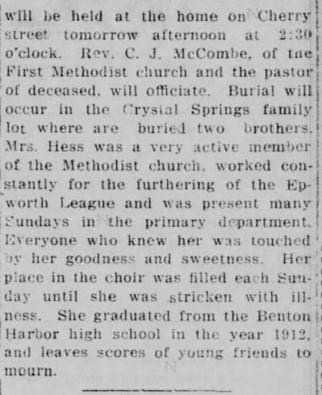
At the time Robert’s marriage to Alice he was 22 years old. More surprising, is the fact that Alice was a mere 16 years old when they wed. This would make Alice only 19 years old when she became a widow. There seems to be a date conflict. All census records indicate that Alice was born in 1888. However, the News article pictured below, states that she was a graduate of Benton Harbor College in 1904-shocking considering that she was only 16??? Or…was someone trying to make Alice “older” than she really was??
So, Robert’s mother Dora died on October 15, 1904. He married Alice 4 days after his mother’s death on October 19, 1904.
The news photo below is from 8 May 1929 – It highlights events from”25 years ago” and tells how Mrs. Juan Hess and son Robert (a college senior) entertained the Juniors at the Hess farm. Printed in 8 May 1929 in the News Palladium. This party took place 6 months before the wedding of Robert and Alice and 6 months before Dora’s death.
The child born to the marriage of Robert de Montel Hess and Alice King Hess was Hattie Lenore Hess. (Her first name being the same as Robert’s sister who had perished as a child). She was born on 17 September 1905.
Robert de Montel did not live long enough to be part of the 1910 census. Alice is in the 1910 census living with her parents in Michigan and her 4 year old daughter who is now going by her middle name Hattie “Lenore” Hess. In 1910, Alice states that she is a sales lady in a furniture store in Benton Harbor. Then, also in 1910, Alice would go on to marry a man named Harlow A. Hansley and live in Los Angeles. She died in 1957 in Los Angeles, CA. Her daughter Hattie Lenore Hess had been living with her mother and step-father in Los Angeles.
In the 1920 census, Alice and Harlow are still in Los Angeles with Alice’s daughter who is now 14 years old and using the name “Lenora”.
Please write and let me know if you have any other information on Robert de Montel Hess or the Hess family!
Zebina “Zeb” had a really young second wife! He had been born on Christmas Day in Nova Scotia in the year 1815 . His wife, Katherine “Kate” O’Brien, was born in 1835 in County Tipperary, Ireland. Zeb and Kate’s age difference was enough to make me carefully check my source records. Their courtship was a bit of a whirlwind…they married shortly after meeting one another and very soon after Kate arrived in the states with her father! (Make sure to read the links provided in this blog to find out more about the couple’s meeting in Memphis!)
A quote from the above link spoke to me a bit about Zebina’s life: “As other young men, he grew up seeking adventure and went to sea. The close of 1850 found him in Memphis where he soon found an Irish bride, Katherine O’Brien.” And, as for Kate, according to this link, she apparently liked story-telling and a good pipe!
Another quote from this link refers to Christmas Trees and this certainly resonates with me as my son-in-law and his family like to go out each December and fell their own tree for the home-(perhaps I can tell my grandson the story of his ancestor): “Shaw was also one of the area captains who supplemented his income by cutting Christmas trees in Wisconsin and Upper Michigan and transporting them to Milwaukee and Chicago.”
The e-book (link above) also tells us that at a later age (after many a year “on the wave”), he moved to Silver Creek and bought a farm on timber wooded land. He also then carried the first mail between Ahnapee and Two Rivers.
If you would like a PDF copy of the entire Shaw family tree please message me! Below is a small screen shot of the document…
“Zebina Shaw. they said, was a captain, and sailed lumber products from local piers to Chicago. On his return from one of his trips he found out that 8 of his II children had died from diphtheria in one week. 3 in one day alone. Some of the children are buried at Woodside/Shaw Cemetery while others along with Katherine. Zebina’s wife, are buried at St. Mary’s Cemetery in town. This was because Zebina was a Baptist while Katherine was Catholic.”
In a news article from 16 April 1936, we learn that Jacob Wiesner had 19 grandchildren and 32 great grandchildren. So, now I ponder how many great great grandchildren can also claim a direct ancestry link to Jacob Wiesner, Sr. ? I don’t know the answer to that exact question, but I do know that my son-in-law is one of Jacob’s great great grandsons. What do you know about Jacob? Are you also a direct ancestor? Please write and let me know! Any family photos, documents, links, or stories would be welcomed.
Jacob’s story started in 1842. He was born in Bavaria and arrived in the US at approx. age 2. The fact that he had a foreign birth must not have been a popular story for this family and therefore in later accounts (including a 1936 news article) there is a claim Jacob was born in New Jersey. I don’t think so. Most of the U.S. census records point to a different story and a birth in Bavaria. Why would this fact be “re-written”? That is an open ended question!
According to census records, I believe that Jacob Wiesner was born on June 28, 1842, in Bavaria. At the time of Jacob’s birth, his father, Michael “May”, was 25 and his mother, Margaretha Stehren, was 24.
I believe that Jacob would have been the oldest of six children.
What can I discern about his childhood? There is so very little information on his family that might help to answer that question. The 1850 census shows the Michael Wiesner family living in Milwaukee. Jacob would have been 8 years old at the time of this census and he is not checked off as attending school. I don’t know if this is because he did not attend a school or because the census taker simply did not check this off.
An 1860 census states that Jacob (now 18 years old) is a farm laborer and that leads me to believe that he might have been working his father’s farm. That is only my hunch. This same 1860 census shows that the family now lived in West Bend, Washington County, Wisconsin. Clearly, the family had moved during the 10 years time from the time of the previous census when they had been in Milwaukee.
In the 1870 census for Michael Wiesner (Jacob’s father), Michael was then age 53. Jacob is not listed in this census record as he no longer lived at his father’s home. Michael lists his occupation as farmer. Jacob’s siblings George and Catharina were still at home and recorded to be in school. The value of Michael’s real estate was 3,000 (higher than most in the area they lived). Michael still resided in West Bend, WI.
It is finally from the 1900 census that I am able to tell when Michael immigrated to the United States. There he lists his date of immigration as 1844 and we know that his son and the study of this blog, Jacob Wiesner, was born in 1842. Thus, I conclude that Jacob was born in Bavaria and brought to the states at a very early age.
I chanced upon some newspaper articles that help tell a story about Jacob and contain the only photographs that I have found of him. From an article in 1936 we learn that as a youth, Jacob ran away from home to join forces with the Union army in the Civil War. His parents found him and brought him back home, but he would later re-enlist and served (mostly with the 48th Wisconsin) until the end of the war. ” With Sheridan he helped hold Missouri in line with the Union cause” He was mustered out at Fort Leavenworth.
Jacob and Wilheimme “Minnie” had 8 children. I have accounts for only 5 of those children. In Wilheimme’s obituary it says, “five of eight children survive their mother.” This causes me to think that there may have been child or infant deaths of the 3 children that I cannot account for in my research. So, to review the relationships to our family, Jacob and Wilheimme were direct ancestors and great great grandparents of my son-in-law. It was their child Jacob “Jake” Wiesner, Jr. who would be the great grandfather of my son-in-law. Yes, Jacob was a very popular family name!
The children of Jacob and Wilheimee “Minnie” Wiesner were:
CHILD 1 (Our direct ancestor)Jacob “Jake” Wiesner, Jr. 1879-1953 married Emma Wilhelmine Caroline Bork
CHILD 2 Christine Wiesner 1873-? (no other information available)
CHILD 3 Johanna Wiesner 1876-1957 married John Sperber
CHILD 4 William Wiesner 1880- ? Married Mary Petersilka
CHILD 5 Minnie Wiesner 1884-1948 married Fred Sperber (she married a brother of her sister Johanna’s husband)
Jacob was 77 years old at the time of his wife’s death. He lived until age 93 and became one of the oldest living Civil War veterans of his time.
In the 1910 census we find Jacob and wife Minnie living with son William (a farmer) and William’s family in Door County, Nasewaupee, WI. Jacob was 67 years old at this time and now lists his birth place in the census as New York (in other words, he changed the story). Perhaps, in the sense of an immigrant, this was a type of “birthplace” for him. Jacob does say that the birthplace of his parents was Germany.
In the 1920 census Minnie and Jacob are in their 70’s and now reside in a rented home. Once again, Jacob lists his birthplace as New York while Minnie lists hers as Germany. At this time, Jacob lists his occupation as “retired.”
In the 1930 census, Jacob is a widower and lives with his daughter Johanna “Hanna” and her husband John Sperber in Door County, WI. Finding this census was confusing as all other written news accounts say that from the time of Minnie’s death in 1920, Jacob Sr. had lived with his son Jacob “Jake” Jr. Another question to explore…
It does appear that Jacob died at the home of his son Jacob, Jr. with a legacy of being one of the first pioneer farmers and a Civil War veteran of the Union Army. Also, a direct ancestor of our family line.
It has been a pleasure to explore Jacob’s life. I hope that this story will reach out to others who share Jacob as their direct ancestor!
The couple seated in the center of the photo are Jacob Wiesner and his wife Minnie Erdman Wiesner



 Hess Sr. (1891 – 1969)

















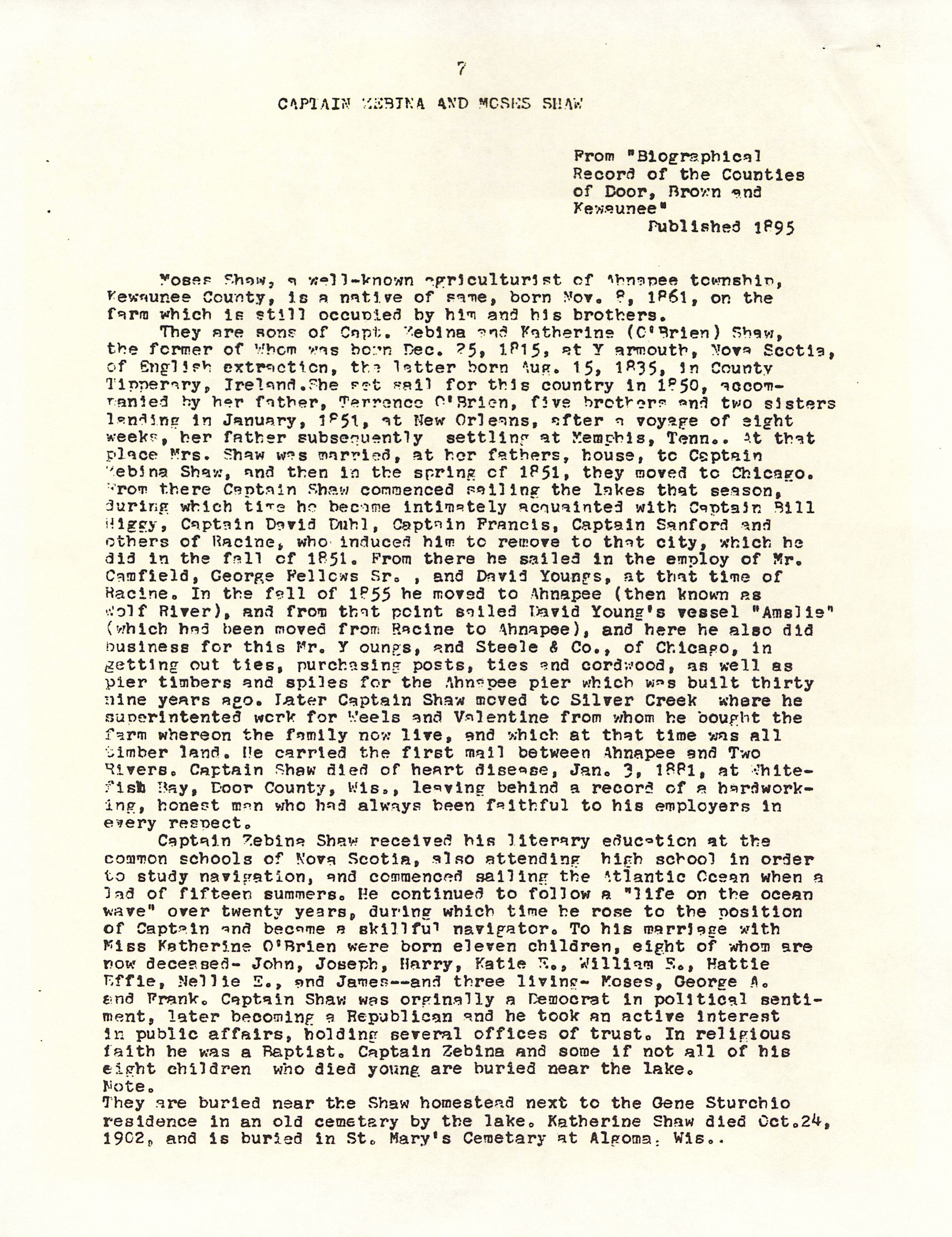 Zebina “Zeb” had a really young second wife! He had been born on Christmas Day in Nova Scotia in the year 1815 . His wife, Katherine “Kate” O’Brien, was born in 1835 in County Tipperary, Ireland. Zeb and Kate’s age difference was enough to make me carefully check my source records. Their courtship was a bit of a whirlwind…they married shortly after meeting one another and very soon after Kate arrived in the states with her father! (Make sure to read the links provided in this blog to find out more about the couple’s meeting in Memphis!)


 telling life stories