Whenever I mention my interest in genealogy—what has surprised me most is how many of my friends admit they have no idea what their great-grandparents looked like.
Not just their names—their faces.
That realization stayed with me.
We live in a time where we can capture thousands of photos in a single year, yet just a few generations back, images were rare, treasured, and often the only visual connection we have to those who came before us. Without them, our ancestors can feel distant, almost imaginary—names on paper rather than real people who lived full and complex lives.
This blog is my way of closing that distance.
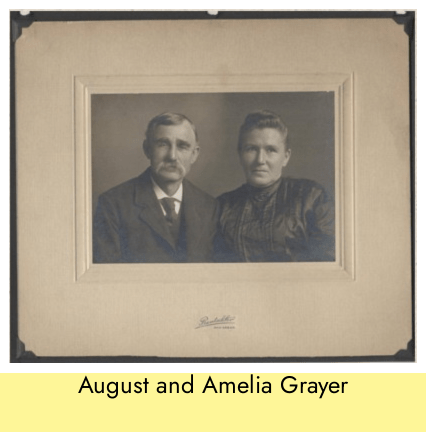
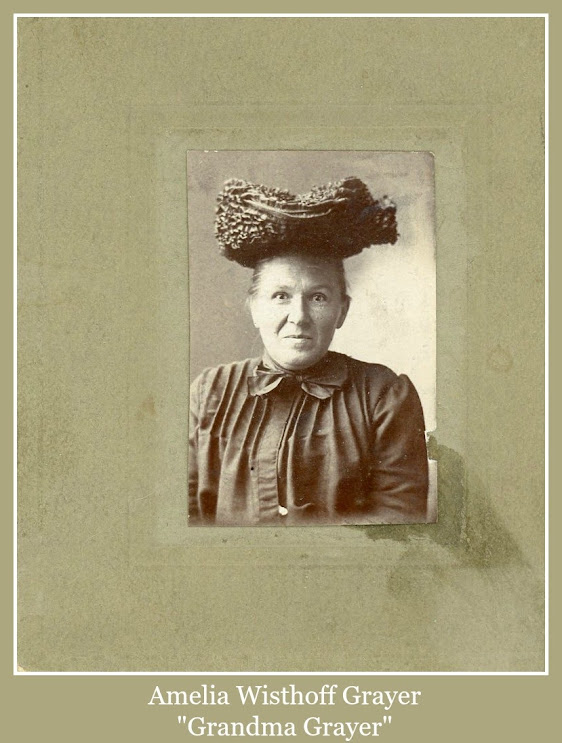
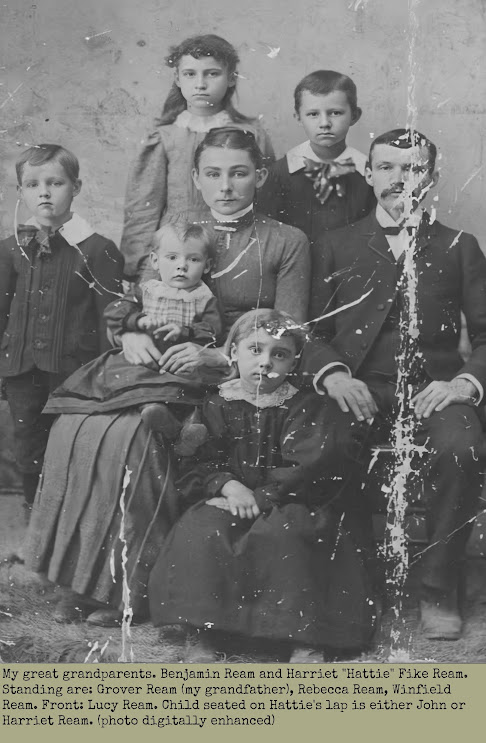
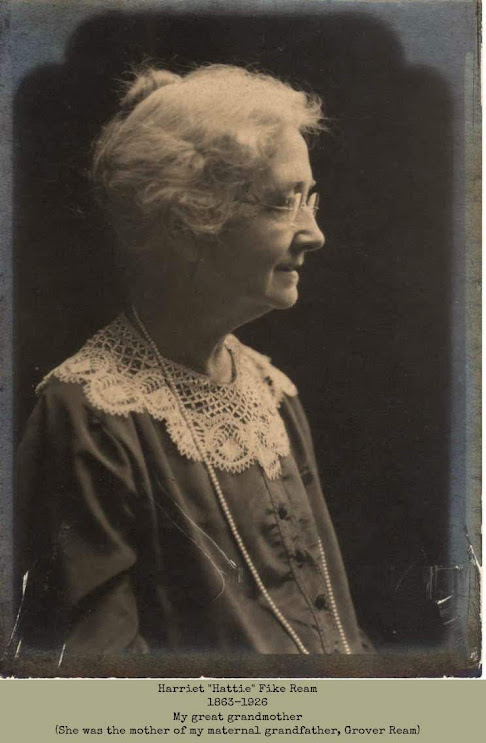
Here, I want to share photographs of my great-grandparents.
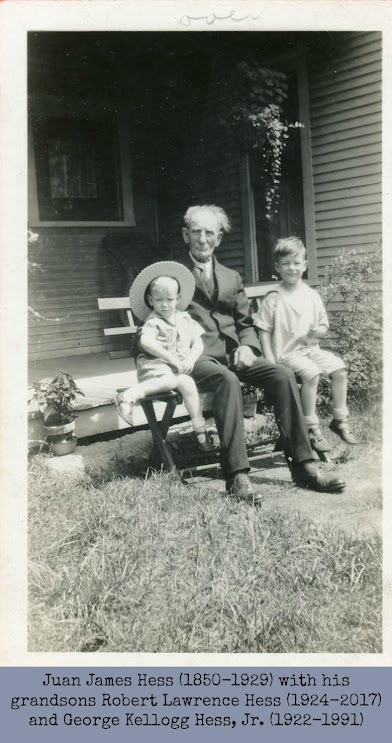
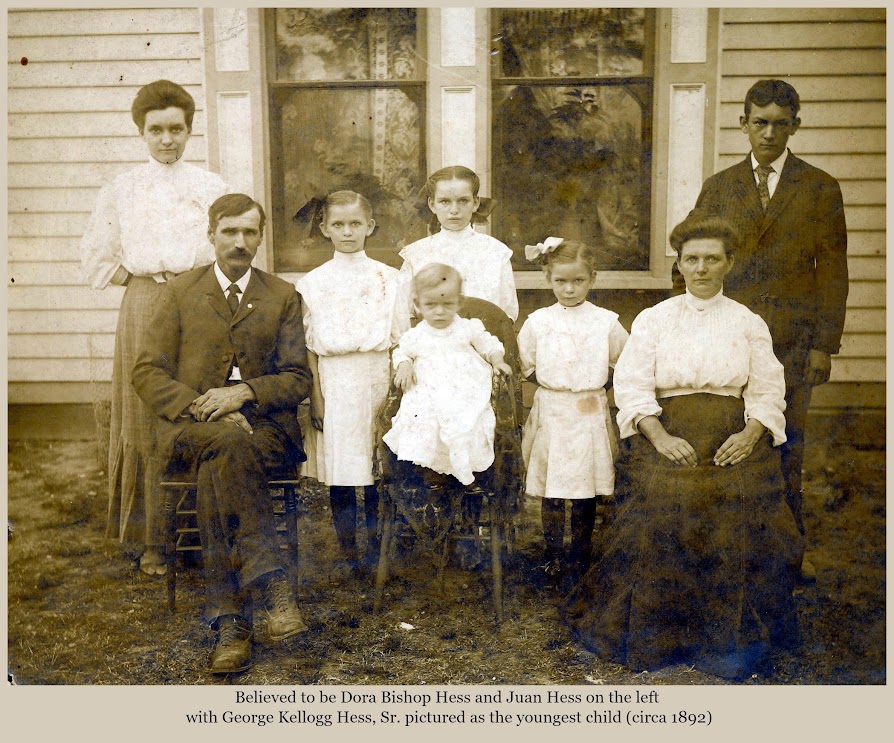
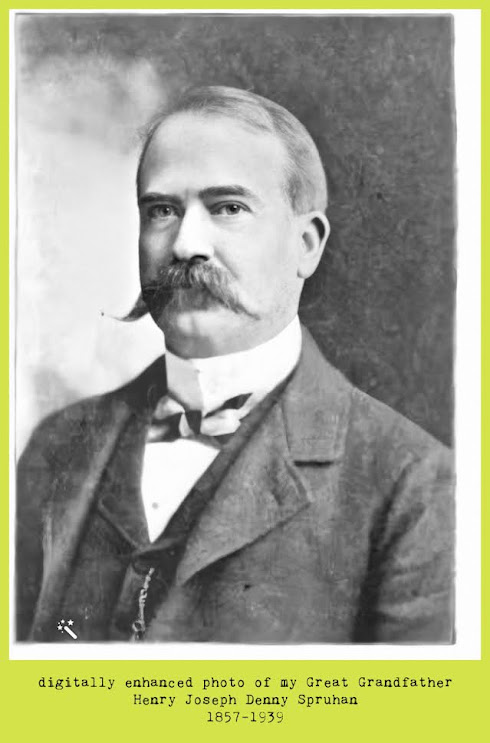
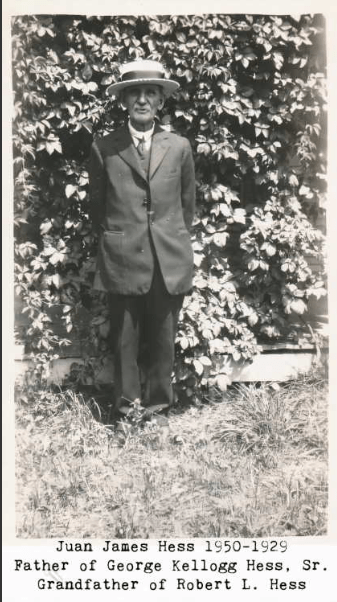
Juan James Hess 1850-1929 – A paternal great grandfatherPhoto of Dorothy (Dora) Bishop Hess 1857-1904 and Juan James Hess 1850-1929 – paternal great grandparentsHenry David Joseph Spruhan 1857-1939 – A paternal great grandfatherCaroline “Rosie” Baur Spruhan 1863-1942 – A paternal great grandmotherAugust Friedrick Krüger Grayer – 1849-1917 and Emilie “Amelia” Louise Wisthoff Grayer “Grandma Grayer” 1861-1955 – maternal great grandparentsEmilie “Amelia” Louise Wisthoff Grayer “Grandma Grayer” – A maternal great grandmother 1861-1955Benjamin Ream – A maternal great grandfather 1855-1928 and Harriet “Hattie” Fike Ream- maternal great grandparentsHarriet “Hattie” Fike Ream 1863-1926- A maternal great grandmother
Joseph Francis Fenton was my 4th great grandfather.
Here is how I relate:
I wanted to write about this ancestor partly because he has been so carefully researched by many other folk on Ancestry and they have shared valuable photos and other documents about Joseph. I wanted to pool all of these resources into one spot in order to share them easily with my family.
Joseph’s surname was Finton and this is how his first grave marker was inscribed, but later, when a new plaque was made the surname was changed to Fenton.
When Joseph Francis Finton was born on February 28, 1761, in Dutchess, New York, his father, William, was 29 and his mother, Mary George Fenton, was 29. He married Margaret Swegals in 1781 in New York. They had 11 children in 24 years. Joseph’s wife Margaret Swegals (my 4th great grandmother) died of measles on 30 March 1822.
Later, in 1825, he married Thankful Gillett and he had no children with this second wife.
He died on October 23, 1851, in Barrington, New York, at the impressive age of 90, and was buried in Penn Yan, New York.
He had a military background:
Source is DAR Lineage Book NSDAR Volume 166:1921
This is what is inscribed on a tablet: Dedication of Joseph F. Finton Tablet in Penn Yan Cemetery, Nov. 27, 1934
Enlisted June 1778 for 3 years, under Capt. Craig, went recruiting for 3 months. Joined 3rd Pa. Regt. in the fall under Col. Craig (brother of Capt. Craig) Lt. Col. Wiliams & Major Biles.
He was in the assault and taking of Stoney Point in 1779, and in an engagement at Bargains Point, at the time of Arnold’s defection, soldier went to West Point and remained there some time. He was also in New Jersey a long time.
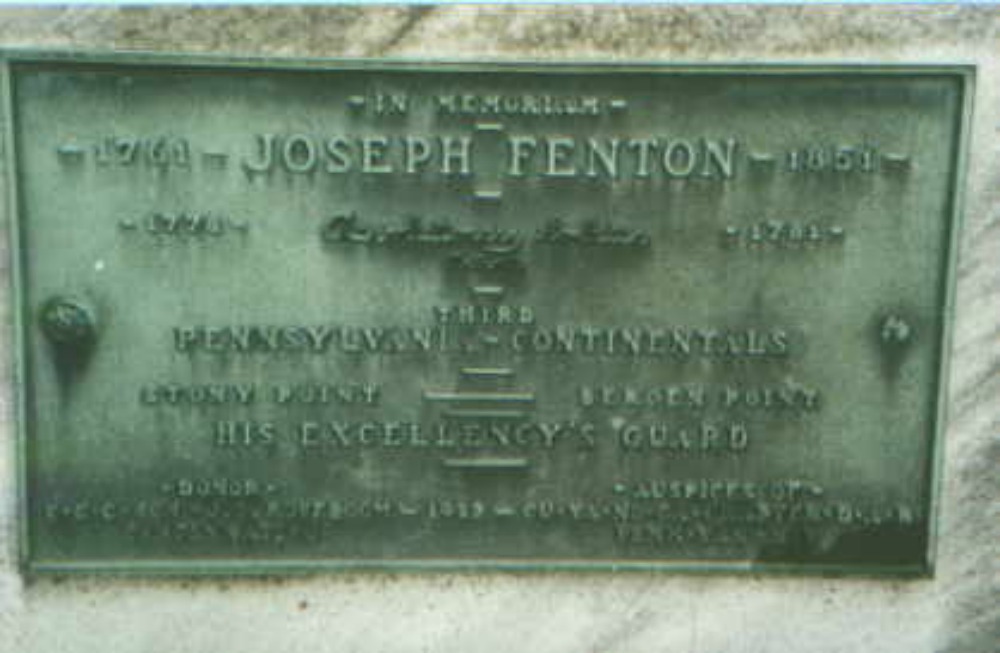
This photo of his tombstone also shows military associations:
Lived from 1761 to 1851
The burying ground of the Finton family was located on the family farm until most of the burials were removed to Lakeview Cemetery in Penn Yan, where they are today.
JOSEPH COMES TO BARRINGTON
The source (Page 145-148-The Fintons and Crosbys) gives us the following information about the farm.
“Joseph Finton was a revolutionary soldier, and came with his family into Barrington, (then Wayne) from New Jersey in the Spring of 1806, and settled on land in the northwest part of the town, which, for some unexplained reason, was not run into lots and numbered wih the original survey. There was enough of this land for about five lots, and it was marked on an early map as “very poor.” Mr. Finton chose this location rather than land more heavily timbered in Milo, because in the open, less wooded land, there seemed a prospect of sooner getting food for stock, which was an object of great importance to pioneer settler. The Bath road at that time was a crooked way through the woods, and Mr. Joseph S. Finton, who lives now on the spot where his after settled, thinks it was not opened as a highway till after the lake road. Their first school for that neighborhood, was in a log house, north of the Barrington line, near the present residence of Job. L. Babcock, on land long owned by Jonathan Bailey. The house was warmed by a hugh old fashioned fireplace, capable of holding almost a cord of wood. School was principally attended to in the winter; and Mr. Finton says that on all the pleasant days they had to stay at home and break flax. Cotton was not king then, and flax wrought by home industry, was the most important element for clothing the family.”
The photo below of the Fenton farm was as pictured after the 1851 death of Joseph.
Finton Farm 1876
The next photograph was not taken until 1925 (Joseph had died in 1851)





 telling life stories